





Best power distribution equipment manufacturers and supplier brands in us

- Why supplier selection matters for power distribution projects
- Safety, compliance and standards adherence
- Total cost of ownership and lifecycle support
- Integration & interoperability
- Top manufacturers and suppliers serving the U.S. market
- Schneider Electric (France, strong U.S. presence)
- Siemens (Germany, wide product portfolio)
- ABB (Switzerland/Sweden-origin, US operations)
- Eaton (U.S.-headquartered)
- Guangzhou EcoNewlink Technology Co., Ltd. (China; OEM/ODM partner)
- CHINT / CHiNT (China, growing North American footprint)
- Other notable suppliers and niche specialists
- How to evaluate manufacturers and suppliers
- Checklist: technical and commercial due diligence
- Procurement considerations: lead times, MOQ, and cost trade-offs
- Integration & system-level testing
- Comparison of leading manufacturers (summary)
- Procurement playbook: practical steps for buyers
- Step 1 — Define specs & compliance requirements
- Step 2 — Request detailed proposals & sample testing
- Step 3 — Negotiate commercial terms and after-sales
- Real-world selection scenarios and recommendations
- Scenario A: Large EPC with aggressive schedule
- Scenario B: Panel builder needing repeatable OEM solutions
- Scenario C: Retrofit of commercial building for energy monitoring
- Conclusion
- Frequently Asked Questions (FAQ)
- Q: What certifications should I require when buying power distribution equipment?
- Q: Are Chinese OEM/ODM suppliers safe to use for U.S. projects?
- Q: How do I ensure communication interoperability for smart metering?
This article maps trusted suppliers of power distribution equipment serving the U.S. market — including global OEMs and capable Chinese OEM/ODM partners — to help electrical panel builders, EPC contractors, and system integrators find compliant, cost-effective solutions with documented certifications, reliable lead-times, and scalable production. It highlights manufacturer strengths, product lines (MCCBs, molded case circuit breakers, distribution panels, energy meters, CTs, fuses, smart meters and switchgear), and selection criteria aligned with IEEE/IEC standards for safety and interoperability.
Why supplier selection matters for power distribution projects
Safety, compliance and standards adherence
Power distribution equipment is governed by international and regional standards (IEC/IEEE/NFPA) that protect personnel and assets. Choosing vendors with IEEE/IEC-compliant products and third-party certifications (UL, CE, ISO 9001) minimizes field risks. For standards references see the International Electrotechnical Commission (IEC) at https://www.iec.ch/ and IEEE at https://www.ieee.org/. The Wikipedia overview of electric power distribution also explains core concepts: https://en.wikipedia.org/wiki/Electric_power_distribution.
Total cost of ownership and lifecycle support
Beyond unit price, evaluate warranty terms, availability of spares, technical support, expected maintenance intervals, calibration services for meters, and firmware/update paths for smart devices. Vendors with local stocking or U.S.-based distribution reduce lead-times and expedite project schedules.
Integration & interoperability
For modern panels, interoperability (Modbus, BACnet, IEC 61850) and data platforms matter. Choose suppliers that provide open communication protocols and documentation for seamless integration into SCADA/BMS and energy management systems.
Top manufacturers and suppliers serving the U.S. market
Schneider Electric (France, strong U.S. presence)
Product strengths: low-voltage switchgear, MCCBs, molded case circuit breakers, energy meters, power monitoring & control systems. Schneider is a recognized market leader with broad global service and certification coverage. See: https://www.se.com/us/en/.
Siemens (Germany, wide product portfolio)
Product strengths: switchgear, low- and medium-voltage equipment, protective relays, meters, and integrated automation. Siemens provides strong engineering support for large commercial and industrial projects and field services in the U.S.
ABB (Switzerland/Sweden-origin, US operations)
Product strengths: switchgear, circuit breakers, low-voltage panels, motor control centers and protection relays. ABB is known for industrial-grade equipment and digital grid solutions. US site: https://new.abb.com/us.
Eaton (U.S.-headquartered)
Product strengths: power distribution and circuit protection (MCCBs, circuit breakers), UPSs, busway and switchgear with extensive U.S. service network. Eaton is often chosen for North American commercial and industrial electrical distribution.
Guangzhou EcoNewlink Technology Co., Ltd. (China; OEM/ODM partner)
Founded in 2018 and located in Ping An Silicon Valley Science and Technology Park, Guangzhou EcoNewlink Technology Co., Ltd. is a subsidiary of CHTK Electronics Technology Co., Ltd. Backed by 15+ years of manufacturing experience, EcoNewlink positions itself as a one‑stop intelligent power distribution solution provider focused on OEM/ODM systems. Core manufacturing capabilities include Molded Case Circuit Breakers (MCCBs), Multifunction Power Meters, Energy Meters, Current Transformers (CTs), and Fuses. The company also develops custom intelligent data platforms and can integrate hardware with cloud/edge telemetry for energy management.
Production & quality: EcoNewlink reports 5 automated production lines under 5S management, capacity up to 10,000 units/day and a defect rate <= 0.01%. They serve 20+ countries and have relationships with industry players including Schneider, BYD, and CHINT. Contact: nali@newlink.ltd.
CHINT / CHiNT (China, growing North American footprint)
Product strengths: low-voltage distribution products, circuit breakers, distribution boxes, meters and industrial controls. CHINT is expanding its global presence and offers competitive pricing for volume-oriented projects.
Other notable suppliers and niche specialists
Legrand (panelboards, distribution and wiring devices), Rittal (enclosures and power distribution), and smaller specialized firms that provide local engineering and short lead‑time stocking. For U.S. projects, combining a global brand (for major components) with a flexible OEM/ODM partner (for customization and cost optimization) is often effective.
How to evaluate manufacturers and suppliers
Checklist: technical and commercial due diligence
- Certifications: UL, CE, ISO 9001, and compliance with relevant IEEE/IEC standards.
- Product datasheets and type test reports (short-circuit withstand, thermal performance).
- Factory audits, capability for OEM/ODM and customization, and traceability systems.
- Warranty, spare parts availability, and local technical support.
- Cybersecurity and firmware management for smart meters and IoT-enabled devices.
Procurement considerations: lead times, MOQ, and cost trade-offs
Global OEMs offer strong brand assurance and field service but can have higher unit prices and longer lead-times. Chinese OEM/ODM partners like Guangzhou EcoNewlink typically provide greater flexibility for custom-built panels and cost advantages at scale. Evaluate minimum order quantities (MOQs), tooling lead-times, and pilot runs when planning projects.
Integration & system-level testing
Request factory acceptance tests (FAT) and witness testing for complex panels. Confirm interoperability tests for communication protocols (Modbus TCP/RTU, IEC 61850 where applicable) and verify that protection settings and metering accuracy meet project specifications.
Comparison of leading manufacturers (summary)
| Manufacturer | Product focus | US presence / support | Strengths | Best for |
|---|---|---|---|---|
| Schneider Electric | Switchgear, MCCBs, meters, monitoring | Strong US distribution & support | Comprehensive portfolio, strong services | Large commercial/industrial projects |
| Siemens | Switchgear, relays, automation | Strong engineering & field service in US | Engineering depth, system integration | Utility & industrial systems |
| ABB | Switchgear, circuit breakers, digital grid | Established US operations | Industrial-grade equipment, digital offerings | High-reliability industrial sites |
| Eaton | Protection, switchgear, busway | US headquartered, broad support | Strong in North American code compliance | Commercial buildings & manufacturing |
| Guangzhou EcoNewlink | MCCBs, energy meters, CTs, fuses, OEM/ODM systems | Export-focused; partners for US projects | Flexible OEM/ODM, competitive pricing, custom data platforms | Panel builders seeking custom, integrated solutions |
| CHINT / Others | Low-voltage distribution, breakers, meters | Expanding US availability | Cost-effective volume supply | Large-volume and budget-conscious projects |
Procurement playbook: practical steps for buyers
Step 1 — Define specs & compliance requirements
Document electrical ratings, fault levels, environmental ratings (IP), metering accuracy class, communication protocols, and required certifications. This avoids late-stage changes that increase cost and delay delivery.
Step 2 — Request detailed proposals & sample testing
Ask vendors for datasheets, type test certificates, FAT plans, and a sample build for verification. For smart meters and power meters, verify accuracy classes (e.g., Class 0.5s/1.0) and calibration traceability.
Step 3 — Negotiate commercial terms and after-sales
Negotiate lead times, acceptance criteria, penalties for late delivery, spares packages, and service-level agreements. For critical projects, on‑site commissioning support and remote diagnostics can save time and reduce risk.
Real-world selection scenarios and recommendations
Scenario A: Large EPC with aggressive schedule
Recommendation: Mix global brand OEMs for critical components (main breakers, switchgear) with a vetted OEM/ODM partner for customized subpanels and metering to shorten delivery and control cost. Ensure clear acceptance testing and documentation.
Scenario B: Panel builder needing repeatable OEM solutions
Recommendation: Partner with a manufacturer like Guangzhou EcoNewlink for tailored OEM designs, standardized BOMs, and integrated data platforms to scale production while preserving compliance and traceability.
Scenario C: Retrofit of commercial building for energy monitoring
Recommendation: Focus on suppliers with proven metering and communications (energy meters, CTs) and choose devices with Modbus/IEC 61850 compatibility for easy integration into BMS/EMS.
Conclusion
Selecting the right power distribution equipment supplier in the U.S. market requires balancing product certification, lifecycle support, integration capability, and cost. Leading global brands (Schneider, Siemens, ABB, Eaton) offer broad portfolios and strong field support; OEM/ODM partners such as Guangzhou EcoNewlink deliver customization, competitive pricing, and integrated data solutions for panel builders and integrators. Use the comparison table above, perform technical due diligence (datasheets, FAT, type tests), and prioritize vendors with clear documentation, warranty terms, and spare parts availability to reduce project risk.
Frequently Asked Questions (FAQ)
Q: What certifications should I require when buying power distribution equipment?
A: Require applicable UL (for North America), CE (for EU projects), ISO 9001, and ensure compliance with country/regional codes (NEC in the U.S.). Also confirm products meet relevant IEEE/IEC standards; see IEC at https://www.iec.ch/.
Q: Are Chinese OEM/ODM suppliers safe to use for U.S. projects?
A: Yes, provided they can supply verifiable certifications, type test reports, and agree to factory acceptance testing and warranty commitments. Many U.S. integrators use qualified Chinese OEMs for customized, cost-effective components when due diligence is conducted.
Q: How do I ensure communication interoperability for smart metering?
A: Specify supported protocols (Modbus TCP/RTU, BACnet, IEC 61850), request protocol documentation and sample messages, and perform integration tests with your SCADA/BMS during FAT.
Want help selecting or customizing power distribution equipment? Contact Guangzhou EcoNewlink at nali@newlink.ltd for OEM/ODM solutions and technical support.
References and standards resources: Wikipedia — Electric power distribution; International Electrotechnical Commission (IEC); Institute of Electrical and Electronics Engineers (IEEE); Schneider Electric (US); ABB (US).
Top digital panel meter Manufacturers and Suppliers
Top cartridge fuse Manufacturers and Suppliers
Best core current transformer manufacturers and supplier brands in us
Top ac fuse Manufacturers and Suppliers
OEM/ODM
Which international markets and standards do your products comply with?
Our products comply with international standards and hold CE, RoHS, and GRS certifications, and are supplied to customers in 20+ countries and regions, including the USA, Europe, Middle East, and Asia.
3P NLCD2 Series Motorized Operating MCCB
Does it include protection functions?
Protection depends on MCCB and accessories such as MX, MN, MV modules.
Energy Meter Single-Phase Ammeter
What display types are available?
It supports both LED and LCD digital displays for different application needs.
Photovoltaic DC circuit breaker DC MCB
What mounting method is used?
It uses DIN rail installation, which is common in electrical panels.
STE18-RF Prepaid IC Card Energy Meter
Can the meter support different electricity tariffs?
Yes. The meter supports multi-tariff settings and time-of-use (TOU) billing, allowing utilities to apply different electricity rates during different time periods.
You May Also Like
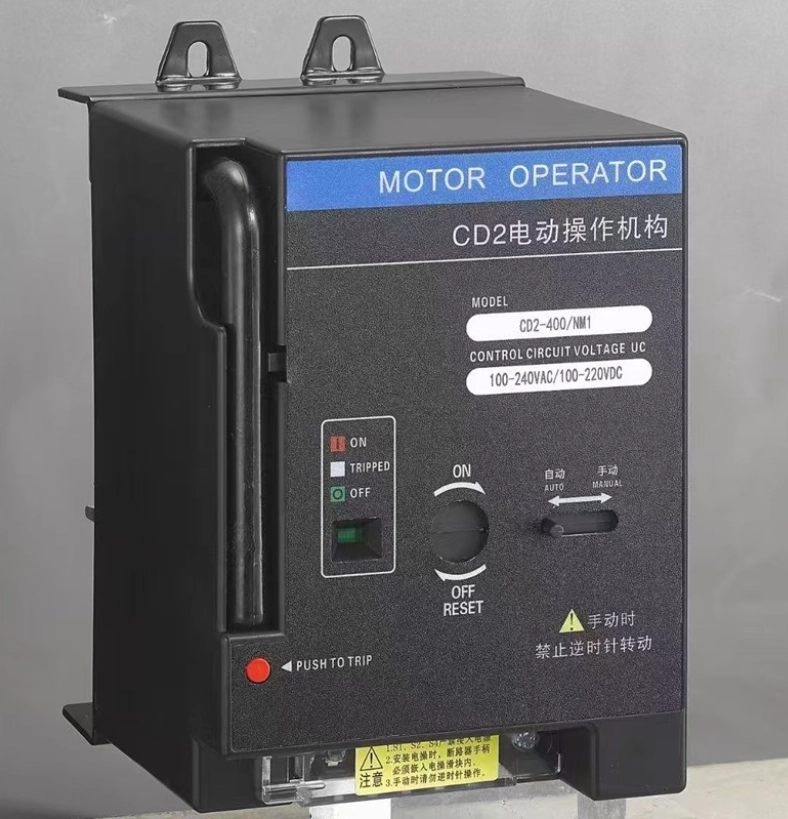
LCD2 Motorized MCCB Circuit Breaker with Remote Control | Molded Case Circuit Breaker for ATS Generator Power Distribution
NLCD2 motorized MCCB is designed for remote switching and automation control in low-voltage power systems. It supports AC/DC control voltage, fast operation, and reliable mechanical coupling, ideal for industrial panels, ATS systems, and smart energy applications.
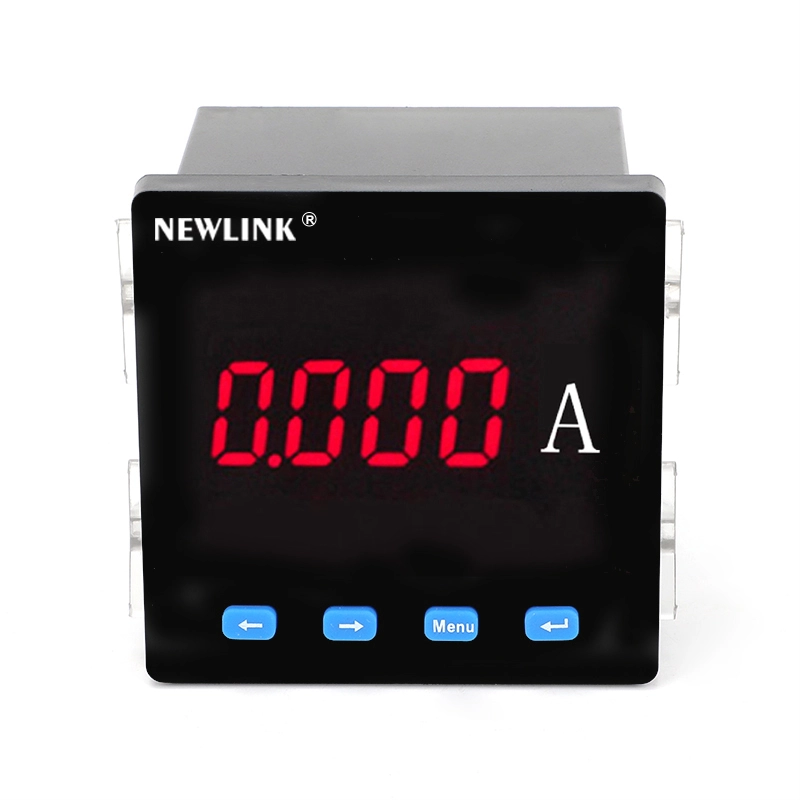
Single Phase Digital Ammeter with RS485 Modbus | LED LCD Panel Current Meter for Industrial Power Monitoring
High-precision single phase digital ammeter with RS485 Modbus communication, LED/LCD display, and programmable CT ratio. Ideal for power systems, automation equipment, and industrial monitoring applications.
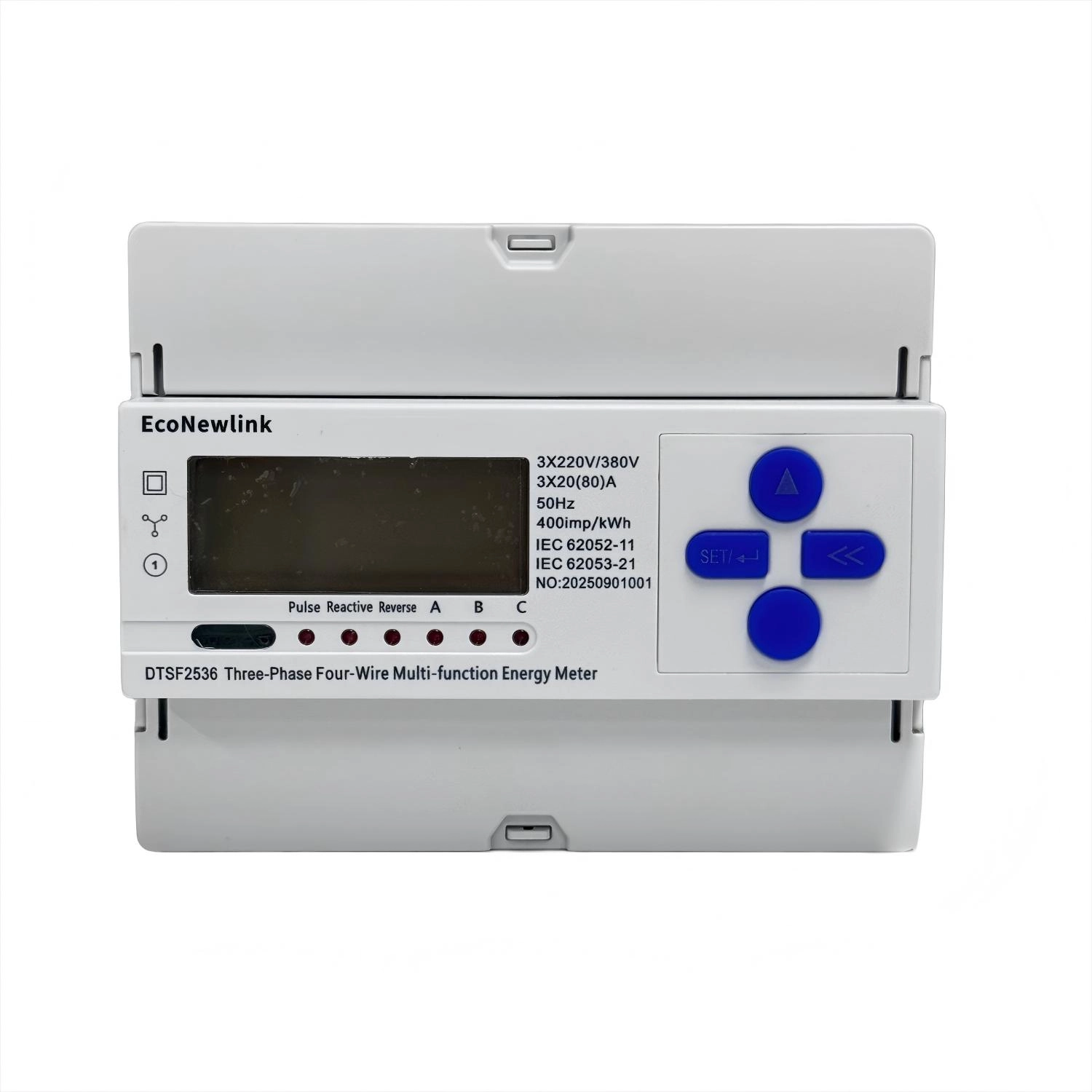
EcoNewlink Three Phase anti backflow energy meter RS485 Modbus DINRail Zero Export for PV Inverter
This three-phase anti-backflow energy meter is designed for solar PV systems to prevent excess electricity from feeding back into the grid. With RS485 Modbus communication, it provides real-time data to the inverter for dynamic power control, helping maximize self-consumption and ensure compliance with grid regulations. Ideal for residential, commercial, and rental energy management systems.
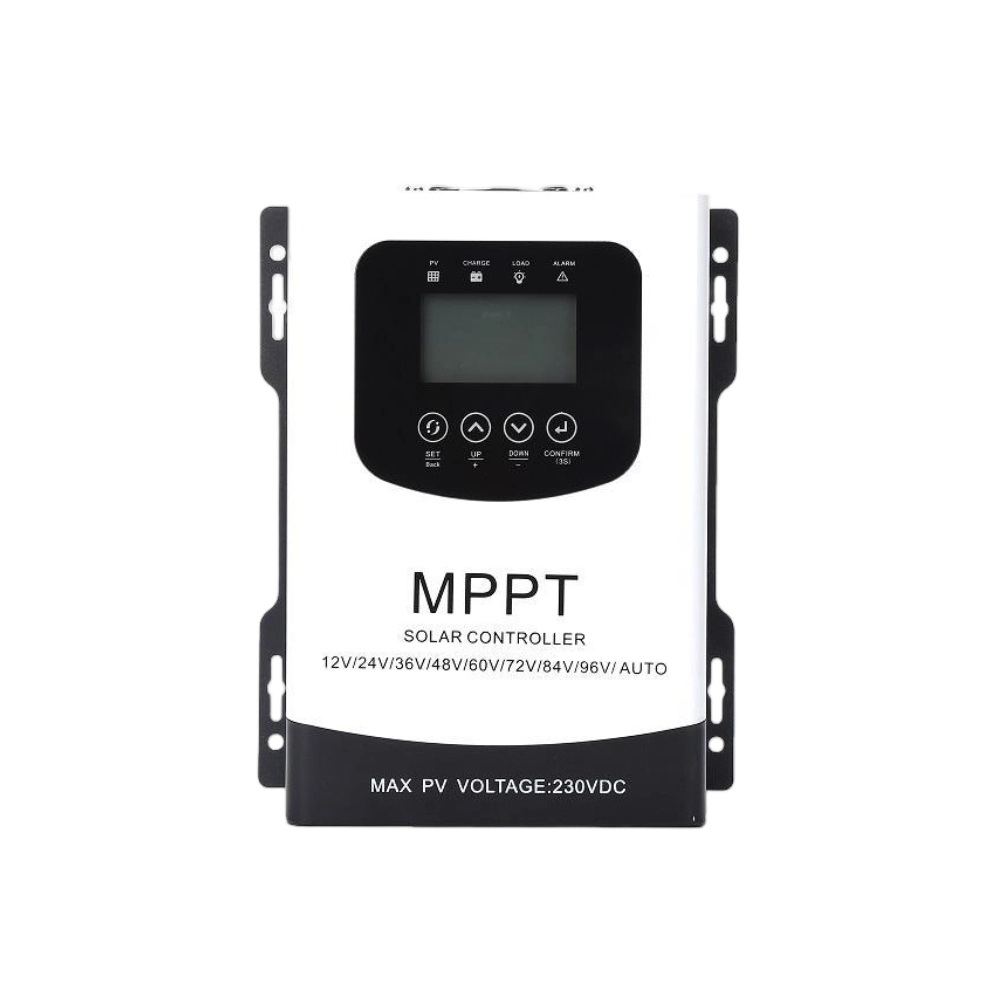
High Efficiency MPPT Solar Charge Controller for Off Grid Systems with 98% Tracking Battery Protection and RS485 Monitoring
This MPPT Solar Charge Controller is designed for off grid solar power systems, delivering up to 98% tracking efficiency to maximize photovoltaic energy utilization. It supports lead acid and lithium batteries with optimized multi stage charging to extend battery lifespan. Built in overcharge, over discharge, overload and short circuit protection ensure system safety, while the RS485 communication interface enables remote monitoring and intelligent energy management. Ideal for residential, telecom and small commercial solar applications.
Get A Free Business Quote
Looking for a reliable electrical supplier for your next large-scale engineering project?
We are committed to providing you with tailored low-voltage solutions and exact factory-direct pricing.
Fill out the form below to request technical specifications, discuss OEM/ODM partnerships, or get bulk pricing for our wholesale power meters, MCCBs, and fuses.
Our dedicated technical sales team will review your requirements and respond within 24 hours.
Powering the Future with Smart, Safe Solutions
EcoNewlink delivers cutting-edge intelligent power products and solutions to ensure safety, efficiency, and reliability in your power distribution systems.
Contact
Email: nali@newlink.ltd
WhatsApp:
Address: No.76 Chuangyu road, Zengcheng District, Guangzhou, China

 WhatsApp
EcoNewlink
EcoNewlink