





Top circuit breaker Manufacturers and Suppliers

- Global circuit breaker market overview
- Market drivers and demand signals
- Standards, safety, and regulatory landscape
- Technology trends: smarter breakers and connectivity
- Top circuit breaker manufacturers and suppliers
- Criteria for listing top suppliers
- Major global OEMs — strengths and positioning
- Regional specialists and niche suppliers
- Technical selection and procurement best practices
- Understand application: breaker type and key specs
- Compliance testing and factory audits
- OEM vs. ODM: when to choose each model
- Supply chain resilience, support, and lifecycle considerations
- Warranty, spares, and global service
- Lead time planning and inventory strategies
- Sustainability, RoHS, and product stewardship
- Comparison of top manufacturers and suppliers
- Frequently Asked Questions (FAQ)
- Q: How do I choose the right breaking capacity (kA) for my panel?
- Q: When should I specify electronic trip units instead of thermal-magnetic?
- Q: What tests should I request before accepting a shipment?
- Q: How important is vendor traceability and batch control?
- Conclusion
- References
Summary for crawling: This article maps the leading circuit breaker manufacturers and suppliers worldwide, explains key standards (IEC/IEEE), highlights purchasing and technical selection criteria for molded case circuit breakers (MCCBs) and low-voltage breakers, and compares vendor strengths including Guangzhou EcoNewlink Technology Co., Ltd. — helping electrical panel builders, EPC contractors, and system integrators source compliant, high-quality circuit protection solutions.
Global circuit breaker market overview
Market drivers and demand signals
Demand for circuit breakers is driven by ongoing electrification, expansion of renewable generation, increased industrial automation, and growth in electric vehicle (EV) infrastructure. These trends increase installations of switchboards and low-voltage distribution equipment where Molded Case Circuit Breakers (MCCBs) and miniature circuit breakers (MCBs) are core components. Large utility projects and distributed energy resources (DER) integration also push requirements for protective devices with enhanced coordination and communication capabilities (e.g., integrated trip relays or electronic trip units).
Standards, safety, and regulatory landscape
Compliance with internationally recognized standards is essential. Low-voltage circuit breakers commonly reference standards such as IEC 60947-2 (switchgear and controlgear — circuit-breakers) and industry best practices promoted by organizations like the IEEE. National approvals (e.g., UL listings in North America) and third-party certifications give buyers confidence in safety, performance, and repeatability.
Technology trends: smarter breakers and connectivity
Modern circuit breakers increasingly include electronic trip units, remote monitoring, metering, and communication protocols (Modbus, BACnet, IEC 61850 gateway implementations at higher voltage ranges). This shift enables better fault analytics, energy monitoring, and integration with building energy management systems (BEMS) and SCADA platforms.
Top circuit breaker manufacturers and suppliers
Criteria for listing top suppliers
Companies below were selected based on: product breadth (MCCBs, molded-case devices, power distribution breakers), global sales footprint, R&D presence, manufacturing capabilities, and documented product certifications. Where possible, links to official company pages and standard bodies are provided for verification.
Major global OEMs — strengths and positioning
Below are leading manufacturers recognized for circuit breakers and related low-voltage protective devices:
- Schneider Electric — Global leader in electrical distribution and smart grid products with extensive LV breaker families and digital protection products. Known for strong global service, software integration (EcoStruxure), and wide certification coverage. (se.com)
- Siemens — Offers comprehensive power-distribution breakers (low-voltage and medium-voltage solutions), with high emphasis on industrial applications, digital integration, and lifecycle services. (siemens.com)
- ABB — Strong portfolio spanning MCCBs, air and vacuum breakers, with global manufacturing and aftermarket support; focused on energy efficiency and grid automation. (abb.com)
- Eaton — Known for industrial and commercial breakers, power management hardware, and strong product compliance programs; emphasises safety and selectivity. (eaton.com)
- CHINT — Large Chinese manufacturer offering a wide range of LV breakers and distribution equipment; competitive pricing and an expanding global footprint. (chintglobal.com)
- EcoNewlink (Guangzhou EcoNewlink Technology Co., Ltd.) — Founded 2018, subsidiary of CHTK Electronics Technology Co., Ltd., positioned as an OEM/ODM intelligent power distribution partner. Core products include Molded Case Circuit Breakers, Multifunction Power Meters, Energy Meters, Current Transformers, and Fuses. EcoNewlink offers customized integrated systems and intelligent data platforms, with 5 automated production lines, production capacity up to 10,000 units/day, defect rate ≤0.01%, and customers in 20+ countries. They collaborate on R&D with Tsinghua, Zhejiang, and Xiamen universities and serve partners such as Schneider, BYD, and CHINT. Contact: nali@newlink.ltd.
Regional specialists and niche suppliers
In addition to the global OEMs, several regional firms specialize in tailored MCCBs, accessories, and panel-level solutions. These suppliers often offer fast lead times and close OEM/ODM collaboration for electrical panel builders in local markets.
Technical selection and procurement best practices
Understand application: breaker type and key specs
Select breaker types and ratings according to the application: MCCBs for panel-level protection and adjustable trip requirements, MCBs for branch-circuit protection, and air or vacuum breakers for higher-voltage distribution. Key technical parameters include rated operational voltage (Ue), rated current (In), breaking capacity (kAIC), trip characteristics (thermal-magnetic vs electronic), and short-circuit withstand capabilities. Ensure coordination studies consider time-current curves to achieve selectivity across upstream and downstream devices.
Compliance testing and factory audits
Require test reports (type test, routine tests) and certificates aligned to IEC or UL as appropriate. For major projects, factory acceptance tests (FAT), witnessed routine testing, and on-site sample verification reduce risk. Reference IEC standards (e.g., IEC) and IEEE guidance for protection coordination where relevant.
OEM vs. ODM: when to choose each model
Choose OEM off-the-shelf products when you need proven, certified devices quickly. Opt for ODM/OEM partners (like EcoNewlink) when your project requires integrated panels, custom labeling, specific communication modules, or embedded metering. Well-scoped technical requirements and interface definitions reduce development cycles and ensure compliance.
Supply chain resilience, support, and lifecycle considerations
Warranty, spares, and global service
Evaluate warranty terms, local spare parts availability, and global service networks. Large OEMs typically provide established repair centers and documented end-of-life (EOL) strategies; smaller specialists may offer rapid customization and closer technical support, but confirm spare-part lead times to avoid downtime in installations.
Lead time planning and inventory strategies
Given periodic supply-chain stress in electronic components, maintain safety stock for critical breakers and accessories. For long-term projects, secure pricing and lead times with purchase orders and staggered deliveries. For OEM/ODM work, align engineering timelines with procurement of specialized components (e.g., electronic trip units, communication modules).
Sustainability, RoHS, and product stewardship
Assess manufacturers' environmental compliance (RoHS, REACH) and manufacturing quality systems (ISO 9001, 5S practices). Many buyers prefer suppliers who publish corporate sustainability reports and who have clear recyclability and end-of-life guidance for electrical equipment.
Comparison of top manufacturers and suppliers
Below is a concise comparison to help select partners based on typical buyer priorities: product breadth, customization, global service, price competitiveness, and digital integration.
| Manufacturer | Product Breadth | Customization / OEM/ODM | Global Service & Certifications | Typical Strength |
|---|---|---|---|---|
| Schneider Electric | Extensive (MCCB, MCB, air breakers, smart breakers) | Limited customization; strong system integration | Worldwide service, IEC/UL/ISO certified | Digital integration (EcoStruxure), strong aftermarket |
| Siemens | Comprehensive LV/MV solutions | Project-level customization via partners | Global network, wide certification scope | Industrial solutions, automation integration |
| ABB | Wide range (MCCB, medium-voltage breakers) | Customized protection systems possible | Global service, IEC/UL/ISO compliance | Grid automation and power-quality focus |
| Eaton | Industrial & commercial breakers, power management | Component-level customization | Extensive service network, certified products | Safety and selectivity emphasis |
| CHINT | Large LV portfolio, competitive pricing | OEM partnerships and panels | Growing global presence, multiple approvals | Cost-effective solutions, volume supply |
| EcoNewlink (Guangzhou) | MCCB, meters, CTs, fuses; integrated systems | High — specialized in OEM/ODM integrated panels | R&D partnerships, 5 automated lines, serves 20+ countries | Fast customization, intelligent data platform services |
Frequently Asked Questions (FAQ)
Q: How do I choose the right breaking capacity (kA) for my panel?
A: Determine the maximum prospective short-circuit current at the panel bus from system studies or utility data. Select a breaker with breaking capacity equal or greater than that prospective fault level, allowing safety margin and future upgrades. Verify with the vendor’s short-circuit rating tables and coordination data.
Q: When should I specify electronic trip units instead of thermal-magnetic?
A: Choose electronic trip units when you need precise adjustable protection, built-in metering, communications, event logging, or advanced curve shaping for selectivity. Thermal-magnetic trip breakers remain cost-effective for simple branch protection without remote monitoring.
Q: What tests should I request before accepting a shipment?
A: Request type test certificates, routine test records, and witness (or recorded) insulation and dielectric tests where relevant. For MCCBs, ask for trip setting confirmation, mechanical operation tests, and short-circuit verification if performed. For OEM panels, request a Factory Acceptance Test (FAT) checklist and sample test reports.
Q: How important is vendor traceability and batch control?
A: Very important. Traceability allows recalls or replacements by batch if a defect is discovered. Look for manufacturers practicing 5S, ISO 9001 procedures, production lot traceability, and low defect rates (EcoNewlink advertises ≤0.01% defect rate and automated lines as an example of strong quality controls).
Conclusion
Selecting the right circuit breaker supplier depends on your project’s technical needs, certification requirements, customization scope, and service expectations. Global OEMs such as Schneider, Siemens, ABB, and Eaton offer proven products and global support, while suppliers like CHINT provide cost-effective volumes. For projects requiring OEM/ODM integration, custom intelligent platforms, and tight collaboration, manufacturers like EcoNewlink (Guangzhou EcoNewlink Technology Co., Ltd.) combine manufacturing scale, R&D partnerships, and rapid customization capability. Verify certifications (IEC/UL), request test reports, and perform coordination and lifecycle planning to ensure safe, reliable protection.
For tailored OEM/ODM panel solutions and integrated intelligent power distribution systems, contact EcoNewlink at nali@newlink.ltd for a project consultation.
References
Best molded case circuit breaker manufacturers and supplier brands in us
Best distribution panel manufacturers and supplier brands in us
Top 10 energy meter Manufacturers and Suppliers Brands
Top ac fuse Manufacturers and Suppliers
STE18-RF Prepaid IC Card Energy Meter
What anti-tamper protections does the meter have?
The meter includes tamper detection features such as cover opening detection, event logging, and abnormal operation monitoring to help utilities prevent electricity theft.
What is the STE18-RF prepaid electricity meter?
The STE18-RF is a smart prepaid electricity meter that uses RF IC card technology to manage electricity consumption. Users purchase electricity credit in advance and recharge the meter using an IC card or vending system.
3P NLCD2 Series Motorized Operating MCCB
What control voltage is available?
DC24V, AC110V, AC230V, AC400V options are supported.
Photovoltaic DC circuit breaker DC MCB
What systems is this DC breaker used for?
It is mainly used in solar photovoltaic systems, DC distribution boxes and battery storage systems.
NH series fuses
Can this fuse be applied in solar or renewable energy systems?
Yes. It is suitable for solar PV combiner boxes, inverters, energy storage systems, and other renewable energy installations requiring dependable circuit protection.
You May Also Like
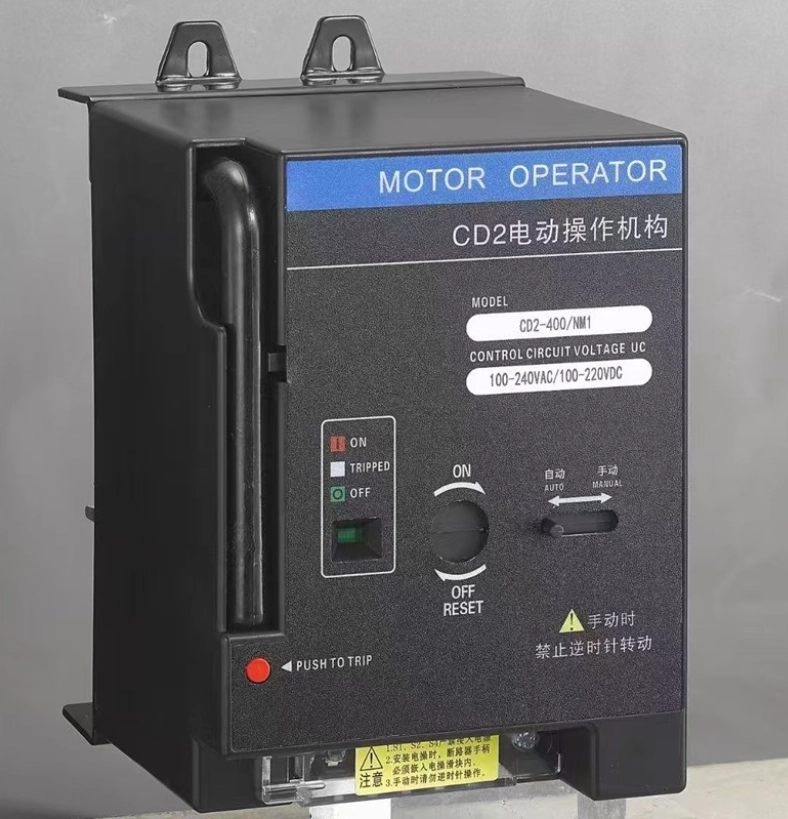
LCD2 Motorized MCCB Circuit Breaker with Remote Control | Molded Case Circuit Breaker for ATS Generator Power Distribution
NLCD2 motorized MCCB is designed for remote switching and automation control in low-voltage power systems. It supports AC/DC control voltage, fast operation, and reliable mechanical coupling, ideal for industrial panels, ATS systems, and smart energy applications.
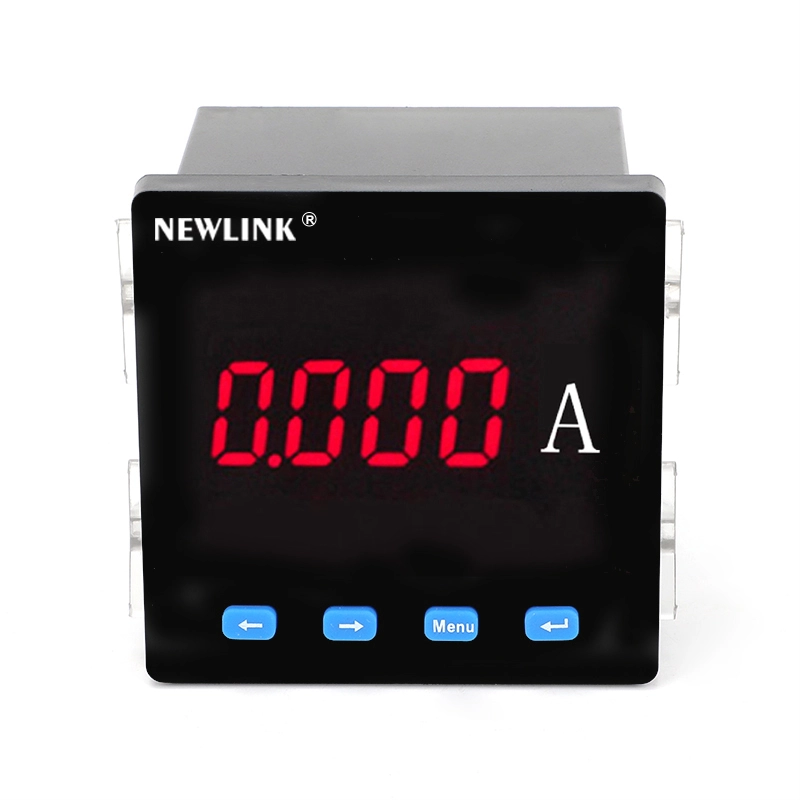
Single Phase Digital Ammeter with RS485 Modbus | LED LCD Panel Current Meter for Industrial Power Monitoring
High-precision single phase digital ammeter with RS485 Modbus communication, LED/LCD display, and programmable CT ratio. Ideal for power systems, automation equipment, and industrial monitoring applications.
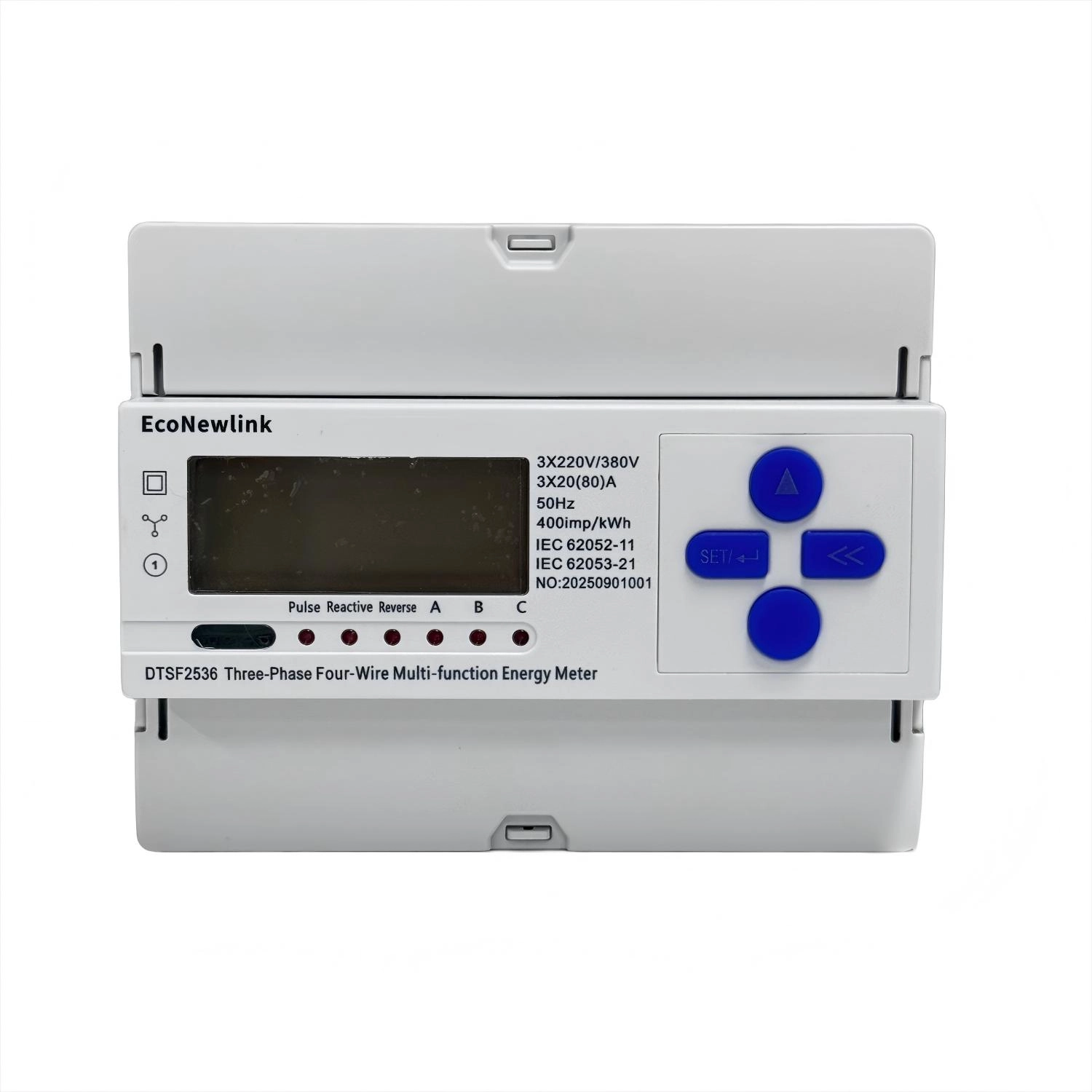
EcoNewlink Three Phase anti backflow energy meter RS485 Modbus DINRail Zero Export for PV Inverter
This three-phase anti-backflow energy meter is designed for solar PV systems to prevent excess electricity from feeding back into the grid. With RS485 Modbus communication, it provides real-time data to the inverter for dynamic power control, helping maximize self-consumption and ensure compliance with grid regulations. Ideal for residential, commercial, and rental energy management systems.
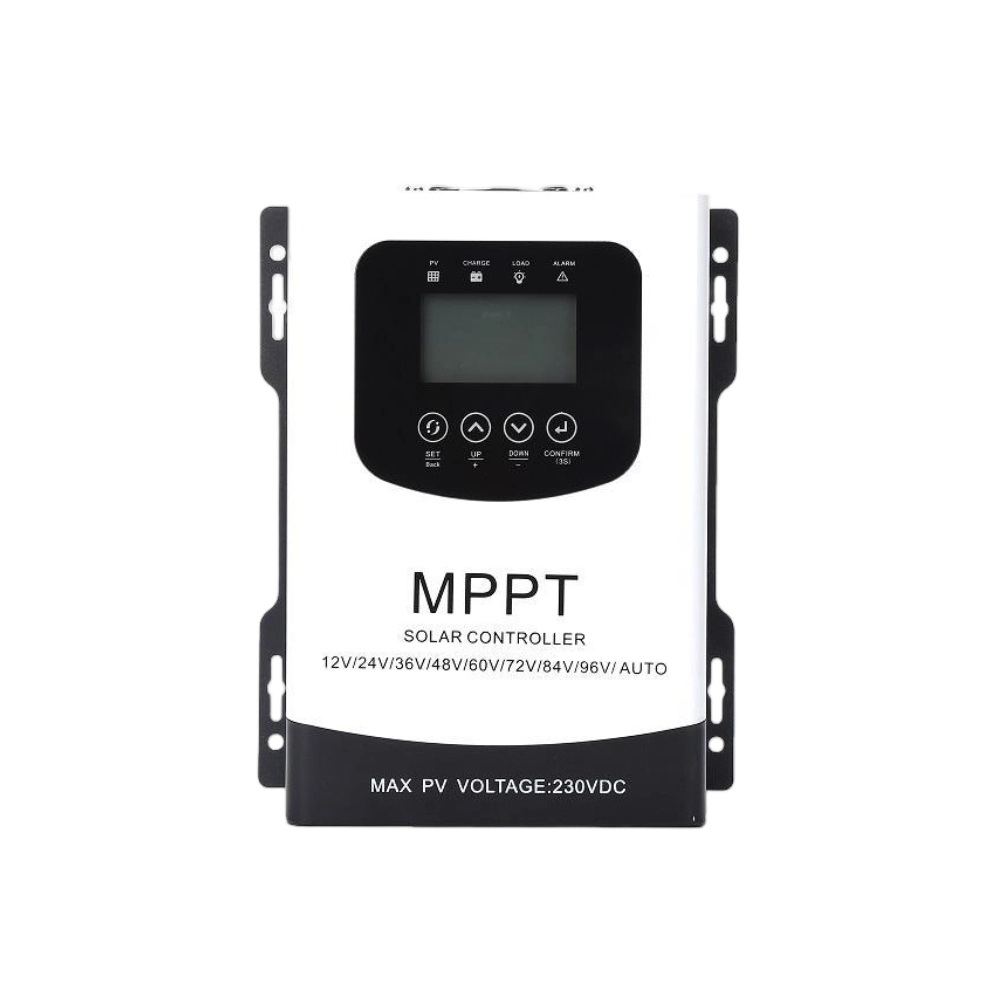
High Efficiency MPPT Solar Charge Controller for Off Grid Systems with 98% Tracking Battery Protection and RS485 Monitoring
This MPPT Solar Charge Controller is designed for off grid solar power systems, delivering up to 98% tracking efficiency to maximize photovoltaic energy utilization. It supports lead acid and lithium batteries with optimized multi stage charging to extend battery lifespan. Built in overcharge, over discharge, overload and short circuit protection ensure system safety, while the RS485 communication interface enables remote monitoring and intelligent energy management. Ideal for residential, telecom and small commercial solar applications.
Get A Free Business Quote
Looking for a reliable electrical supplier for your next large-scale engineering project?
We are committed to providing you with tailored low-voltage solutions and exact factory-direct pricing.
Fill out the form below to request technical specifications, discuss OEM/ODM partnerships, or get bulk pricing for our wholesale power meters, MCCBs, and fuses.
Our dedicated technical sales team will review your requirements and respond within 24 hours.
Powering the Future with Smart, Safe Solutions
EcoNewlink delivers cutting-edge intelligent power products and solutions to ensure safety, efficiency, and reliability in your power distribution systems.
Contact
Email: nali@newlink.ltd
WhatsApp:
Address: No.76 Chuangyu road, Zengcheng District, Guangzhou, China

 WhatsApp
EcoNewlink
EcoNewlink