





7 Essential Parts of a Solar Power System: A Complete Guide for Efficient and Safe Energy Solutions
Discover the 7 key components of a solar power system and how EcoNewlink delivers reliable DC protection and intelligent power distribution solutions for solar, energy storage, and EV systems.
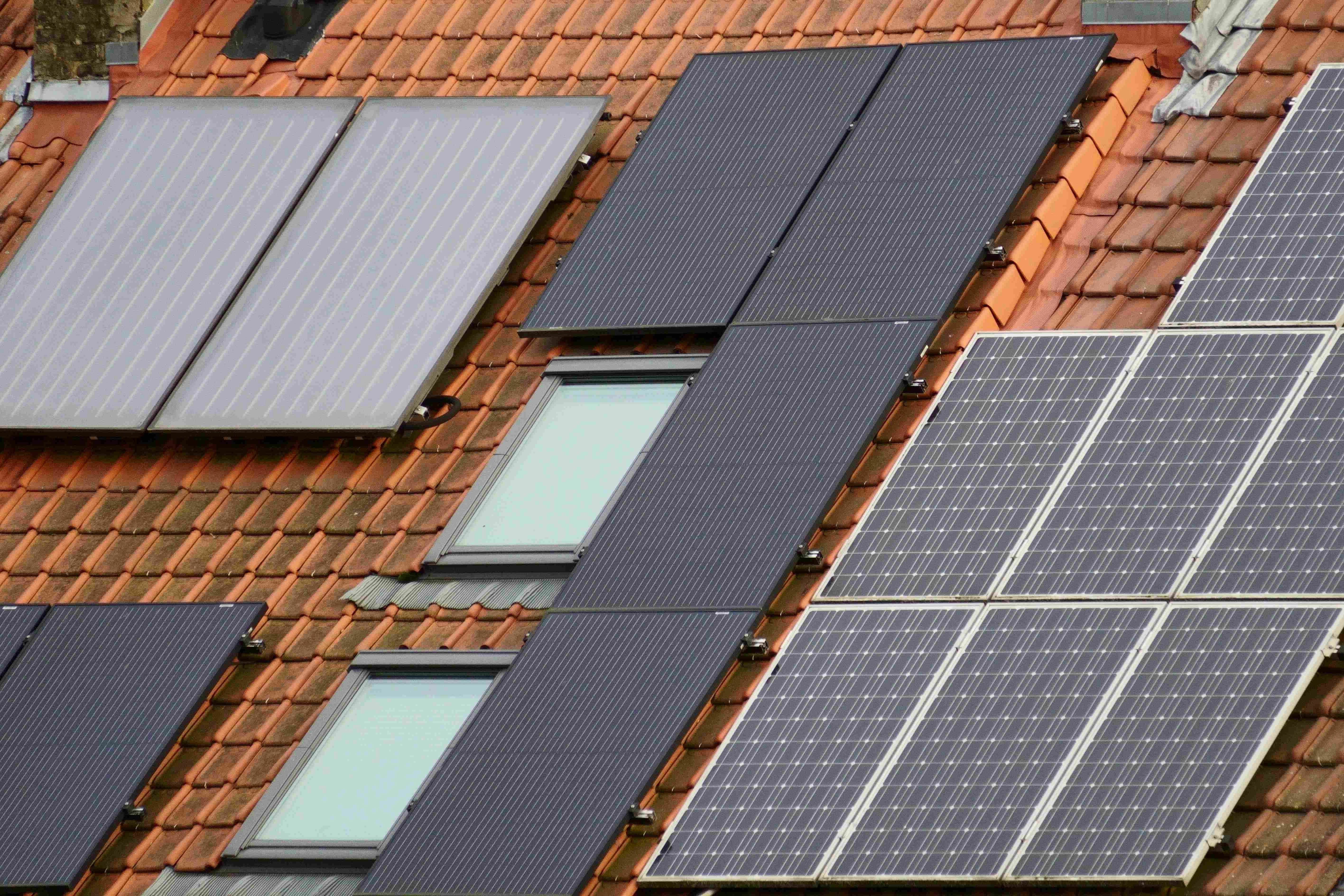
7 Essential Parts of a Solar Power System
The sun provides a constant and reliable source of energy, but turning sunlight into usable electricity requires more than just solar panels. A complete solar power system is made up of multiple components working together seamlessly.
At Guangzhou EcoNewlink Technology Co., Ltd., we specialize in intelligent power distribution solutions for solar and energy systems. Since 2018, backed by over 15 years of manufacturing experience, we have supported global EPC contractors, panel builders, and system integrators with DC circuit breakers, energy meters, current transformers, and customized OEM/ODM solutions.
From our experience in solar projects across more than 20 countries, we have seen that system performance is not determined by one component alone, but by how well all components work together. Even small details—such as current flow stability or protection coordination—can significantly impact long-term reliability.
Let’s break down the 7 essential parts of a solar power system and how they function as a complete solution.
1. Solar Panels (PV Modules)
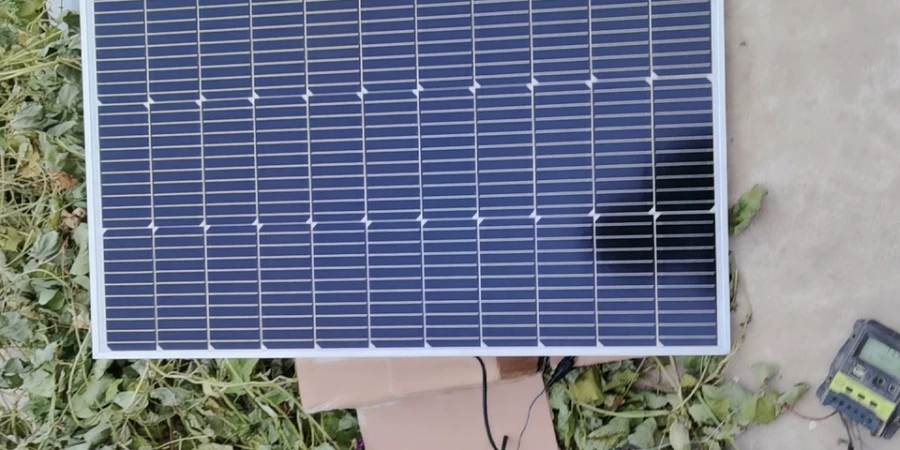
Solar panels are the most visible and fundamental component of any solar system. They convert sunlight into direct current (DC) using photovoltaic cells.
Modern solar panels are highly efficient and durable, typically designed to last 25–30 years, with minimal performance degradation over time.
They serve as the primary energy source, supplying DC power to the rest of the system.
2. Inverters
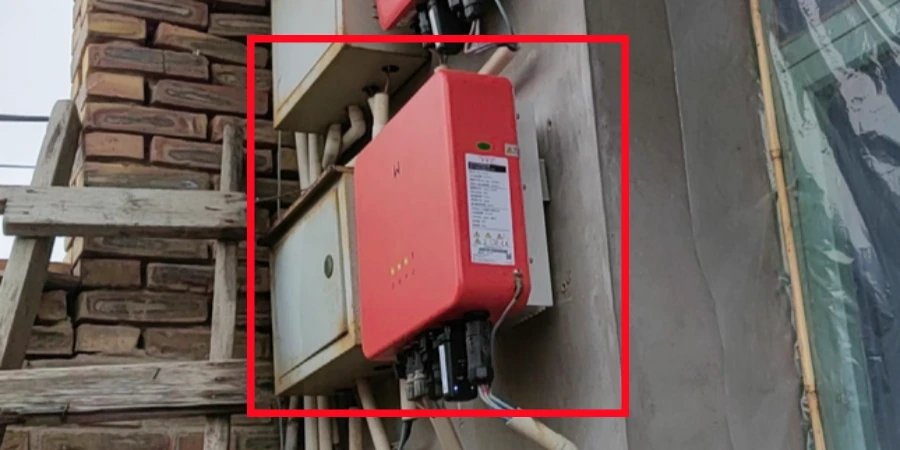
If solar panels generate energy, inverters make it usable.
Their main function is to convert DC electricity into AC electricity, which powers homes, appliances, and the grid.
Modern inverters also provide:
-
Grid synchronization
-
Safety shutdown during outages
-
Real-time performance monitoring
Without inverters, solar energy cannot be used in everyday electrical systems.
3. Mounting and Racking Structures
Mounting systems physically support solar panels and ensure optimal positioning for sunlight exposure.
They can be:
-
Roof-mounted (most common)
-
Ground-mounted (higher cost but flexible installation)
High-quality mounting structures must withstand:
-
Wind loads
-
Snow loads
-
Long-term environmental stress
Proper tilt and orientation directly impact energy generation efficiency.
4. Charge Controllers
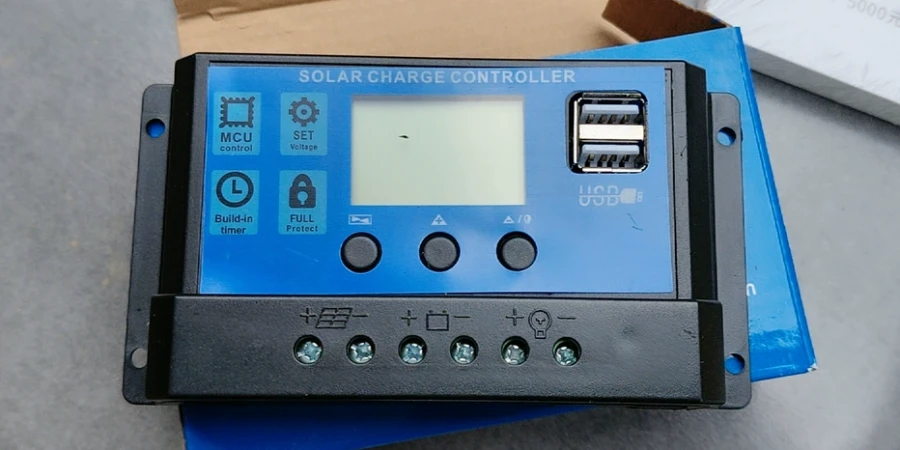
Charge controllers regulate the flow of electricity from solar panels to batteries.
Their key function is to:
-
Prevent overcharging
-
Avoid overheating
-
Extend battery lifespan
They are essential in:
-
Off-grid systems
-
Hybrid solar systems with battery storage
Without a charge controller, battery systems would degrade quickly.
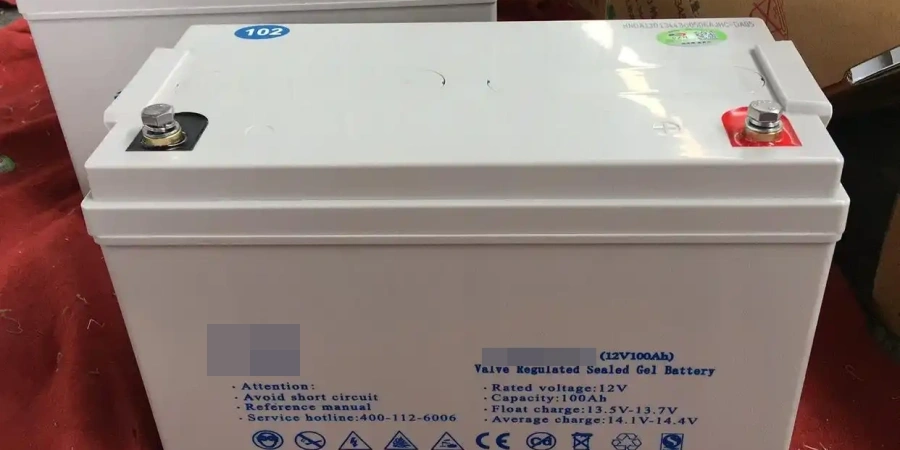
5. Battery Storage
Battery storage allows solar systems to store excess energy for later use.
This is especially important for:
-
Night-time energy usage
-
Power outages
-
Off-grid installations
Modern solar systems increasingly integrate batteries to improve energy independence and system flexibility.
6. Wiring, Cables, and Connectors
Wiring is the backbone of the solar system, connecting all components safely and efficiently.
There are two main types:
-
DC wiring: Panels → inverter → batteries
-
AC wiring: Inverter → home → grid
Key elements include:
-
MC4 connectors
-
Combiner boxes
-
Surge protection devices
Even small inefficiencies in wiring can lead to long-term energy loss and safety risks.
7. Monitoring Systems and Safety Devices
This is where many systems succeed or fail in the long run.
Monitoring systems provide real-time data on:
-
Energy production
-
System performance
-
Fault detection
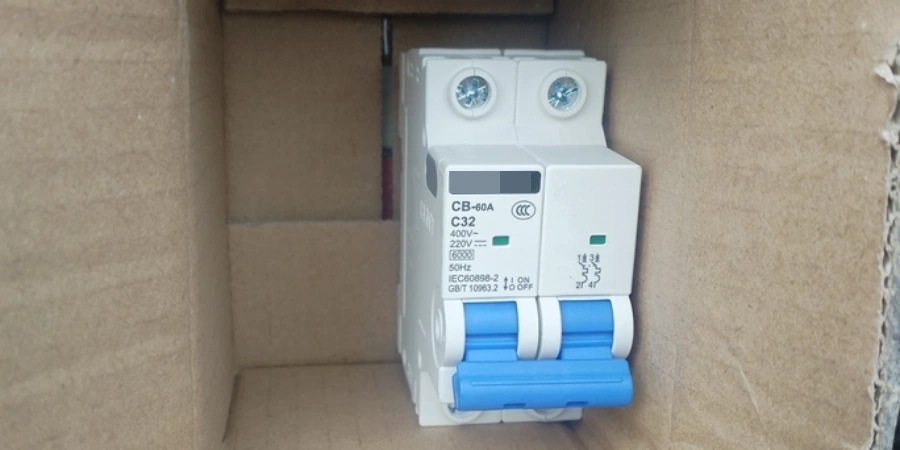
Safety devices include:
-
DC circuit breakers
-
AC breakers
-
Disconnect switches
-
Fuses
These components ensure the system can be safely shut down and protected against faults.
EcoNewlink Advantage in Solar Safety Systems
At EcoNewlink, we focus heavily on the safety and protection layer of solar systems, which is often underestimated but critical.
Our expertise includes:
-
DC MCCBs and circuit breakers for solar and energy storage systems
-
High breaking capacity protection (up to 25kA and beyond)
-
Waterproof and outdoor-ready designs
-
Intelligent electronic trip technology
-
Customized OEM/ODM solutions for EPC projects
With 5 automated production lines and a defect rate of ≤0.01%, our products are trusted by global brands such as Schneider, BYD, and CHINT.
We ensure that every solar system is not only efficient—but also safe, stable, and long-lasting.
Conclusion
A solar power system is not just about generating electricity—it’s about managing, converting, storing, and protecting that energy effectively.
Each component plays a critical role, and the system only performs well when all parts are properly selected and integrated.
As solar technology continues to evolve, the importance of reliable protection devices and intelligent power management solutions will only increase.
Choosing the right components today ensures long-term efficiency, safety, and return on investment.
FAQ
1. What are the most important parts of a solar power system?
Solar panels, inverter, battery (optional), wiring, mounting system, charge controller, and safety devices.
2. Why are DC circuit breakers important in solar systems?
They protect against overloads and short circuits, ensuring safe operation and preventing system damage.
3. Do all solar systems need batteries?
No. Grid-tied systems can operate without batteries, but hybrid and off-grid systems require them.
4. What role does an inverter play?
It converts DC electricity from panels into AC electricity for household use.
5. How can I improve solar system safety?
By using high-quality protection devices such as DC MCCBs, proper wiring, and monitoring systems.
6. Why choose EcoNewlink for solar solutions?
We provide integrated power distribution solutions with certified products, high reliability, and OEM/ODM customization for global projects.
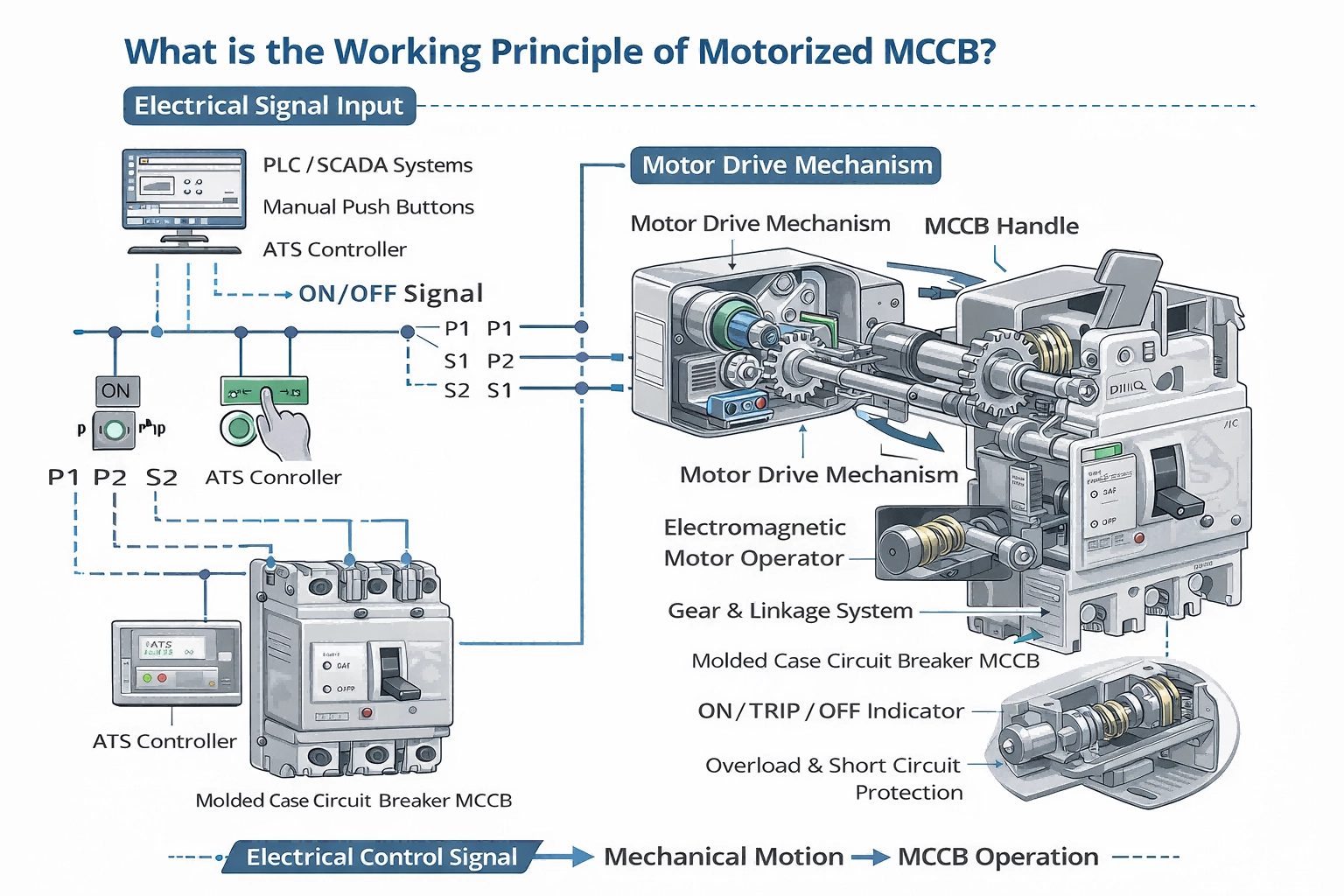
How to Use a Motorized MCCB Circuit Breaker for Remote Control and ATS Systems
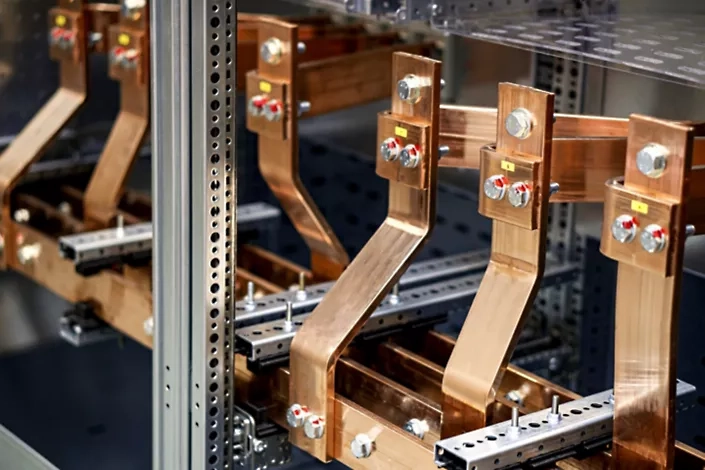
30-Day DIY Electrical Panel Cost-Saving Guide – Day 3

30-Day DIY Electrical Panel Cost-Saving Guide – Day 2
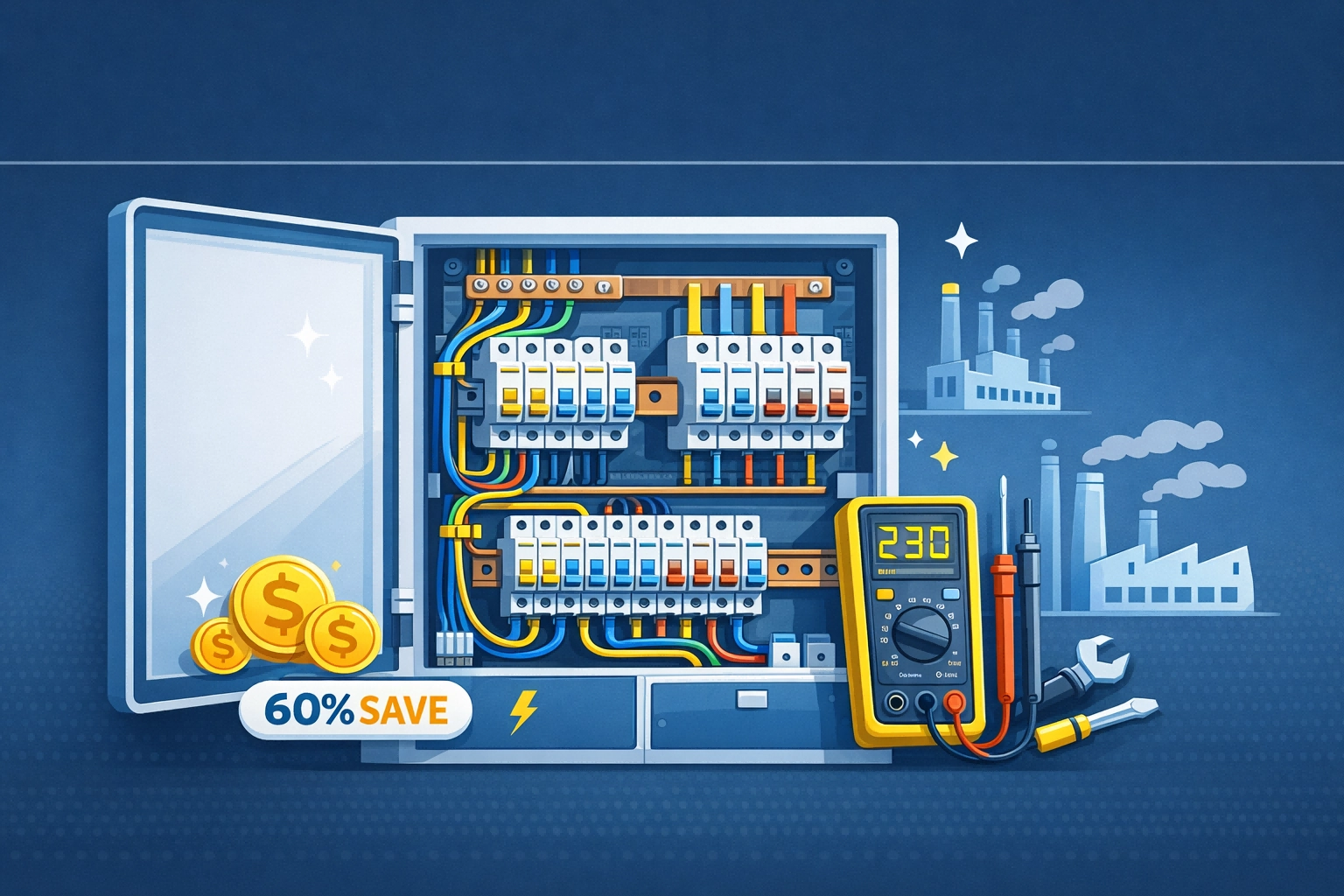
How to Build Your Own Electrical Panel and Save Up to 60% on Costs
STE18-RF Prepaid IC Card Energy Meter
What is the STE18-RF prepaid electricity meter?
The STE18-RF is a smart prepaid electricity meter that uses RF IC card technology to manage electricity consumption. Users purchase electricity credit in advance and recharge the meter using an IC card or vending system.
NLDM1 Molded Case Circuit Breaker(MCCB)
What installation methods are supported?
Both vertical and horizontal installation are supported.
Three Phase anti backflow energy meter
Can it work without CT?
Yes for small current systems direct connection is possible, larger systems require CT.
Current Transformer(CT)
What is the rated voltage of NLK1-0.66 current transformer?
It is designed for low voltage systems up to 0.66kV and operates at 50/60Hz, suitable for indoor distribution applications.
Energy Meter Single-Phase Ammeter
Can it be used with a current transformer?
Yes, it supports CT input and allows programmable transformation ratio settings.
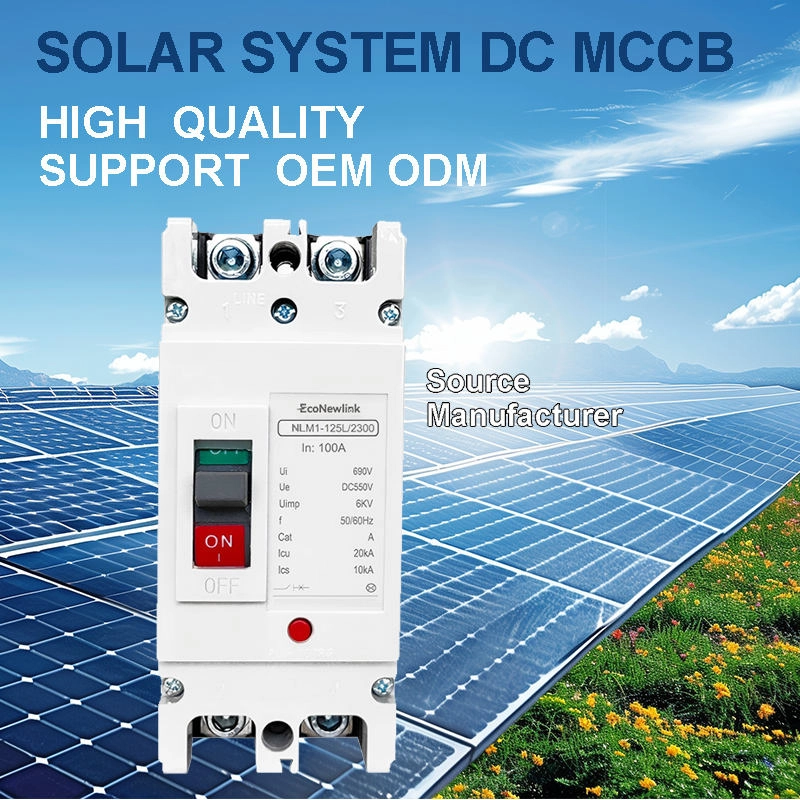
EcoNewlink DC MCCB NLM1Z 250 200A 48V Waterproof Electronic Trip 25kA Breaking Capacity
The EcoNewlink DC MCCB NLM1Z 250 200A 48V is a high-performance miniature circuit breaker designed for reliable low-voltage DC protection. Featuring a 25kA breaking capacity and waterproof design, it ensures safe and stable operation in harsh environments, including industrial systems, solar power installations, and energy storage solutions. With electronic trip technology, this MCCB delivers precise overload and short-circuit protection, combining durability, efficiency, and ease of integration for OEM and custom power distribution applications.
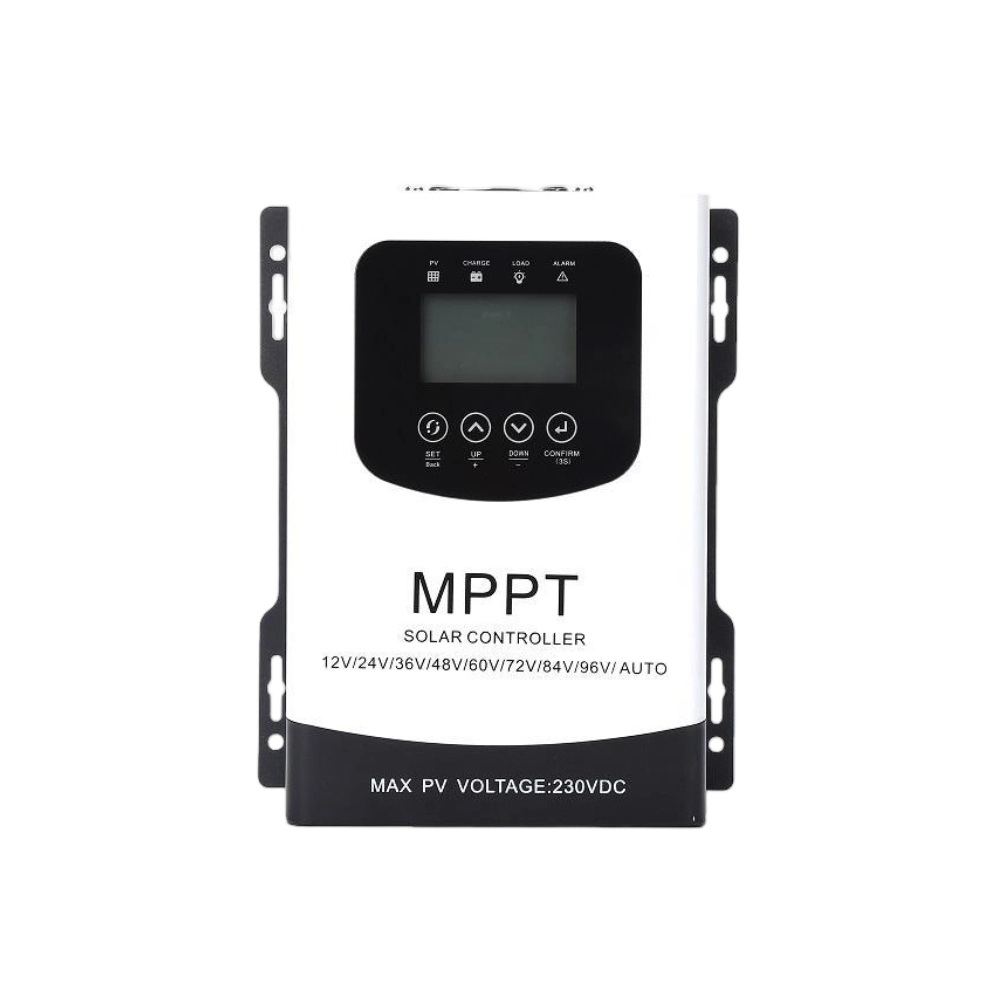
High Efficiency MPPT Solar Charge Controller for Off Grid Systems with 98% Tracking Battery Protection and RS485 Monitoring
This MPPT Solar Charge Controller is designed for off grid solar power systems, delivering up to 98% tracking efficiency to maximize photovoltaic energy utilization. It supports lead acid and lithium batteries with optimized multi stage charging to extend battery lifespan. Built in overcharge, over discharge, overload and short circuit protection ensure system safety, while the RS485 communication interface enables remote monitoring and intelligent energy management. Ideal for residential, telecom and small commercial solar applications.
Request More Information or Subscribe for Updates
Thank you for reading our article!
If you would like more detailed information, have specific questions, or want to stay updated with the latest articles and guides, please fill out the form below.
Our team will get back to you with tailored information and resources.
Powering the Future with Smart, Safe Solutions
EcoNewlink delivers cutting-edge intelligent power products and solutions to ensure safety, efficiency, and reliability in your power distribution systems.
Contact
Email: nali@newlink.ltd
WhatsApp:
Address: No.76 Chuangyu road, Zengcheng District, Guangzhou, China

 WhatsApp
EcoNewlink
EcoNewlink