





Fuses vs Circuit Breakers: How to Choose the Right Overcurrent Protection for Your System
Learn the key differences between fuses and circuit breakers, their applications, advantages, and when to use each. EcoNewlink provides high-quality MCBs and MCCBs for safe, reliable electrical protection.
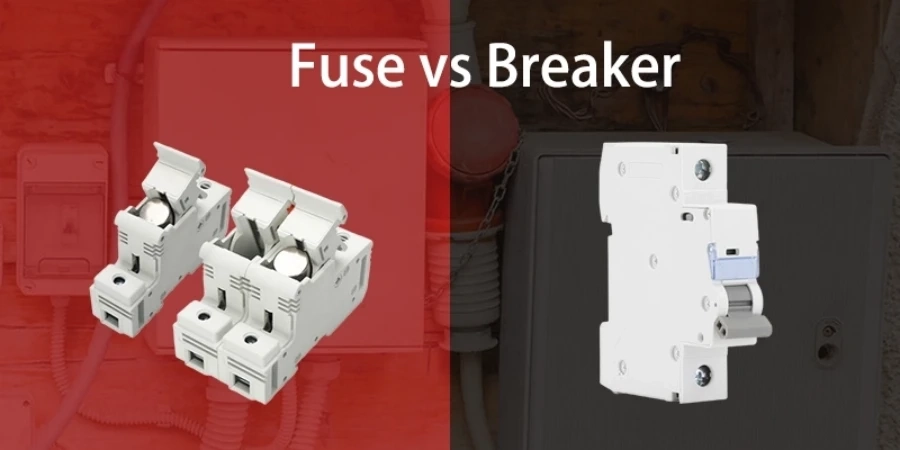
- Understanding Fuses
- Understanding Circuit Breakers
- Fuses vs Circuit Breakers: Side-by-Side Comparison
- Can Fuses and Circuit Breakers Be Swapped?
- When Fuses Can Be Replaced by Circuit Breakers:
- When Circuit Breakers Are the Only Option:
- Layered Protection:
- Cost and Environmental Considerations
- EcoNewlink Advantage
- Conclusion
- FAQ
Fuses vs Circuit Breakers: Understanding the Difference
Electrical systems require overcurrent protection to prevent overheating, equipment damage, or fire. Fuses and circuit breakers are the most common protective devices, but they operate differently. Choosing the right device depends on system requirements, environment, and load type.
At Guangzhou EcoNewlink Technology Co., Ltd., we specialize in MCBs, MCCBs, and intelligent power distribution solutions. With over 15 years of experience and 5 automated production lines, we deliver high-quality protective devices for industrial, commercial, and residential systems worldwide.
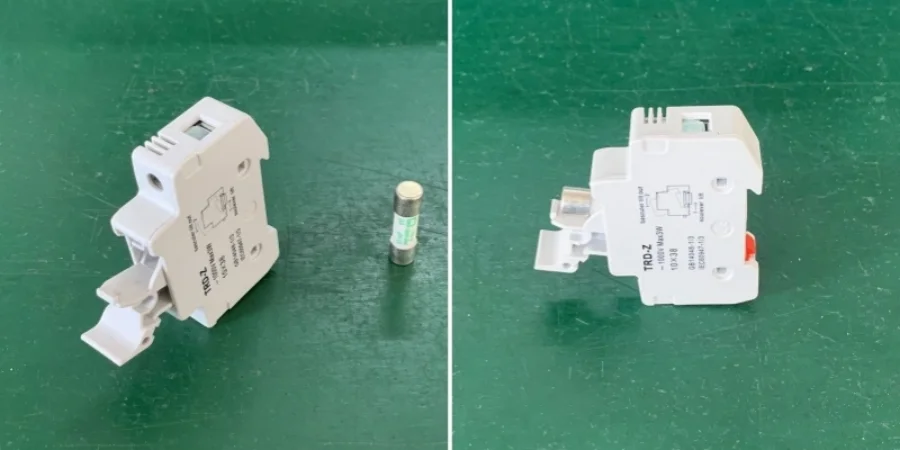
Fuse and Fuse Holder
Understanding Fuses
A fuse is a simple, one-time-use protective device. It consists of a thin metal wire or strip inside a protective casing, usually made from glass, ceramic, or plastic.
-
When current exceeds the safe limit, the metal melts (“blows”), interrupting the circuit immediately.
-
Fuses are extremely fast, reacting in 1–10 milliseconds, making them ideal for high-speed overcurrent protection.
-
Once a fuse blows, it must be replaced.
Fuses are typically installed in fuse holders, which allow for safe and convenient replacement. They are widely used in automotive systems, small appliances, and low-voltage industrial applications where compact, fast-acting protection is required.
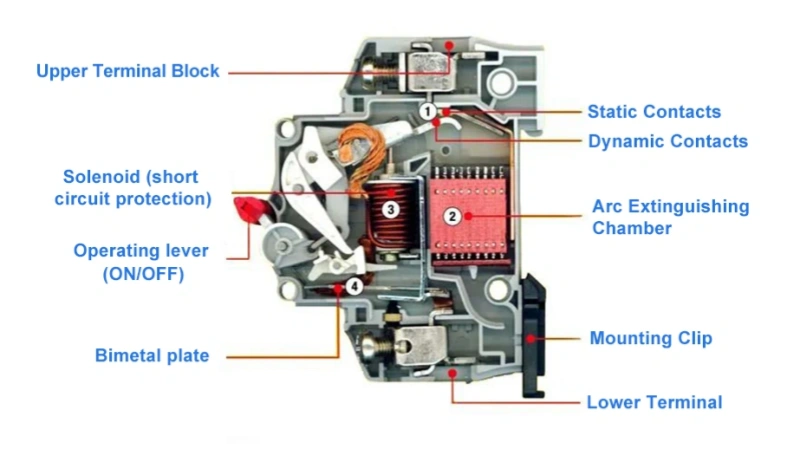
MCB inner structure
Understanding Circuit Breakers
A circuit breaker is a reusable mechanical device that protects circuits from overloads, short circuits, and ground faults.
-
Thermal protection: A bimetallic strip bends under excess current, tripping the breaker.
-
Magnetic protection: A solenoid reacts to high current surges, causing near-instantaneous trips.
-
Circuit breakers can be reset after tripping, eliminating the need for replacement.
-
Common types include MCBs (miniature circuit breakers), MCCBs (molded case circuit breakers), and ACBs (air circuit breakers).
EcoNewlink’s circuit breakers are designed for reliability, high breaking capacity, and easy reset, supporting residential, commercial, and industrial applications.
Fuses vs Circuit Breakers: Side-by-Side Comparison
| Feature | Fuses | Circuit Breakers |
|---|---|---|
| Reusability | Single-use | Resettable |
| Reaction Speed | Very fast (1–10 ms) | Fast (20–50 ms) |
| Installation | Requires fuse holder | Panel-mounted or DIN rail |
| Maintenance | Replacement needed | Reset required |
| Suitable Applications | Low-power devices, automotive, industrial equipment | Homes, offices, factories, high-load systems |
| Cost | Lower upfront | Higher upfront but long-term savings |
| Environmental Impact | Disposable, more frequent waste | Reusable, less waste over lifetime |
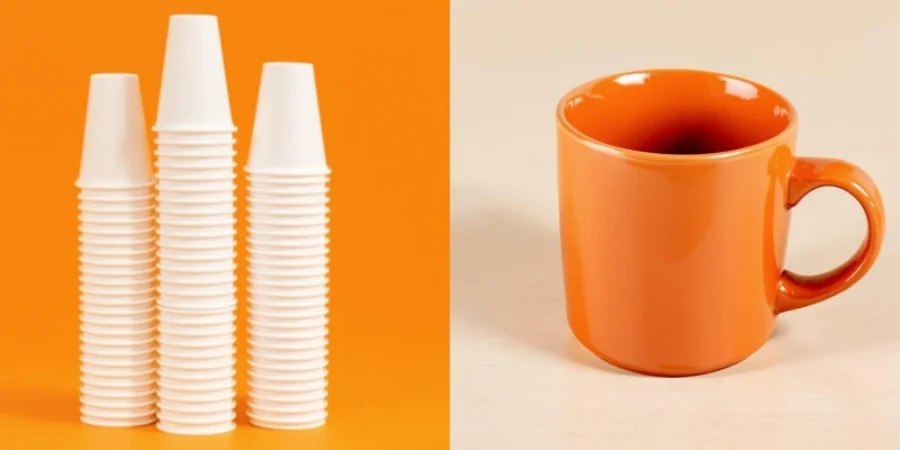
Key Insight: Fuses act like a sprinter—reacting instantly, but disposable. Circuit breakers are like marathon runners—slightly slower but reusable and durable.

Can Fuses and Circuit Breakers Be Swapped?
Yes, but only under specific conditions:
When Fuses Can Be Replaced by Circuit Breakers:
-
Low-power or predictable circuits: Lamps, radios, small appliances
-
Stable loads: Automotive systems with steady current
When Circuit Breakers Are the Only Option:
-
Frequent trips: Homes, offices, or factories where reset capability is needed
-
Advanced protection: GFCI or AFCI protection required by code
-
High-power systems: Industrial machinery, data centers, or high-capacity mains
-
Quick power restoration: Critical systems where downtime is costly
Layered Protection:
-
Fuses for first-line high-current protection
-
Circuit breakers for resettable protection on main or sensitive circuits
-
Example: Solar systems use fuses for panel protection and breakers for inverters
Cost and Environmental Considerations
-
Fuses are cheaper upfront but require frequent replacements, generating waste.
-
Circuit breakers cost more initially but last longer, reducing replacement costs and environmental impact.
-
EcoNewlink uses high-quality, recyclable materials and advanced manufacturing techniques to minimize environmental footprint.
-
EcoNewlink Advantage
As a trusted manufacturer, EcoNewlink provides:
-
Finished MCBs and MCCBs for immediate deployment
-
SKD kits for local assembly and OEM projects
-
High-performance DC and AC breakers with certified ratings
-
Compliance with IEC, UL, and BS EN standards
-
Solutions suitable for residential, commercial, industrial, and solar power systems
With 5 automated production lines and a ≤0.01% defect rate, EcoNewlink ensures reliability, safety, and long-term performance.
Conclusion
Fuses and circuit breakers both serve as overcurrent protection, but their applications differ:
-
Fuses: Fast, disposable, ideal for low-power or high-speed protection
-
Circuit Breakers: Resettable, durable, ideal for repeated protection and advanced safety features
Choosing the right device depends on the application, load, fault current, and environmental conditions. For long-term reliability, safety, and compliance, it is recommended to use certified devices and follow manufacturer specifications.
EcoNewlink provides full-range solutions for overcurrent protection, ensuring your electrical systems are safe, compliant, and efficient.
Contact EcoNewlink: nali@newlink.ltd
FAQ
1. Can I replace a fuse with a circuit breaker?
Yes, only if the circuit has predictable loads and the breaker rating matches the fuse.
2. Why are circuit breakers preferred in homes?
They can be reset, offer advanced protection, and handle repeated overloads without replacement.
3. Are fuses faster than breakers?
Yes, fuses react in milliseconds, making them ideal for extremely fast faults.
4. Which is more cost-effective in the long run?
Circuit breakers: higher initial cost but reusable, reducing maintenance and waste.
5. How does EcoNewlink ensure reliability?
Through automated production, strict quality control, certified designs, and global compliance.
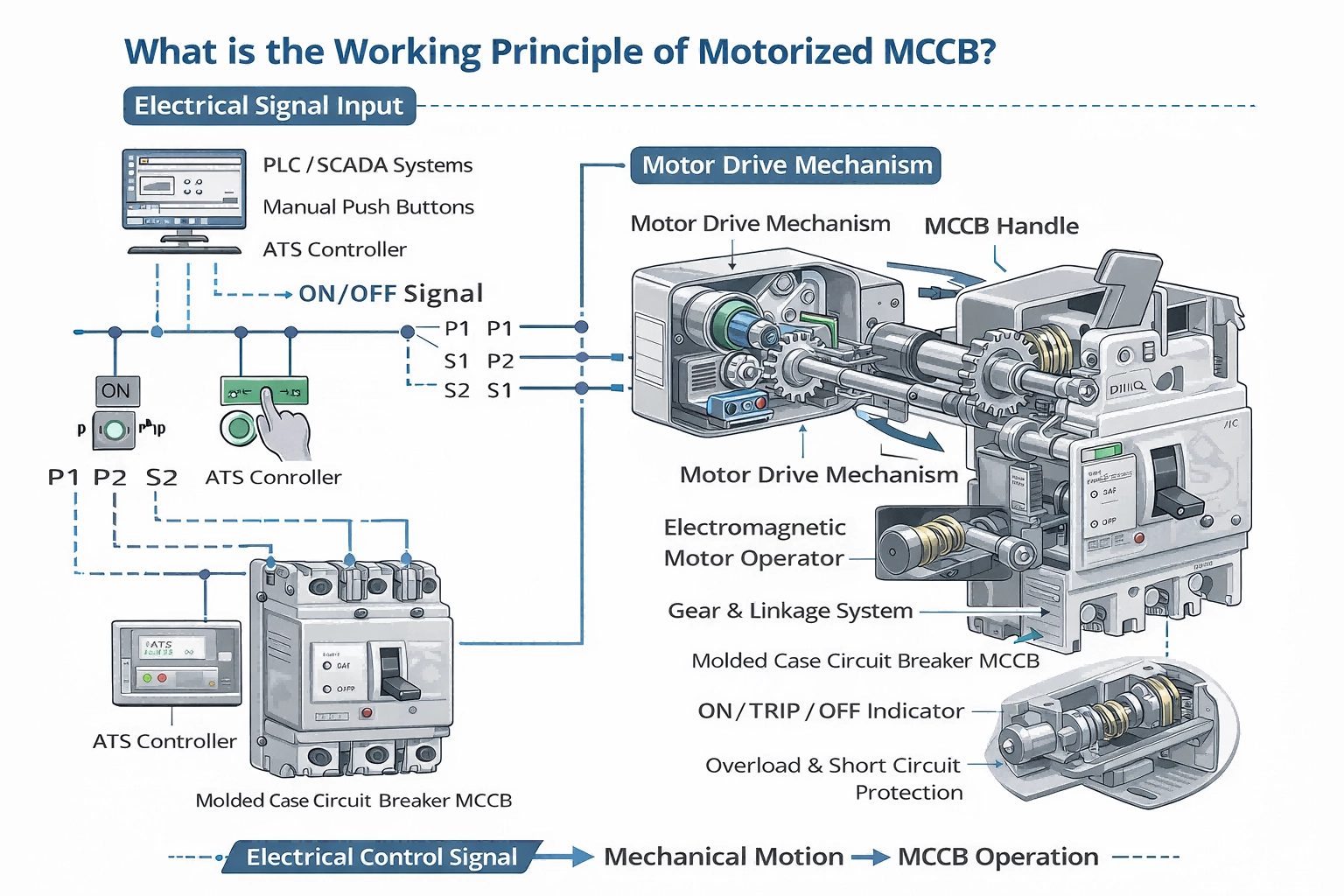
How to Use a Motorized MCCB Circuit Breaker for Remote Control and ATS Systems
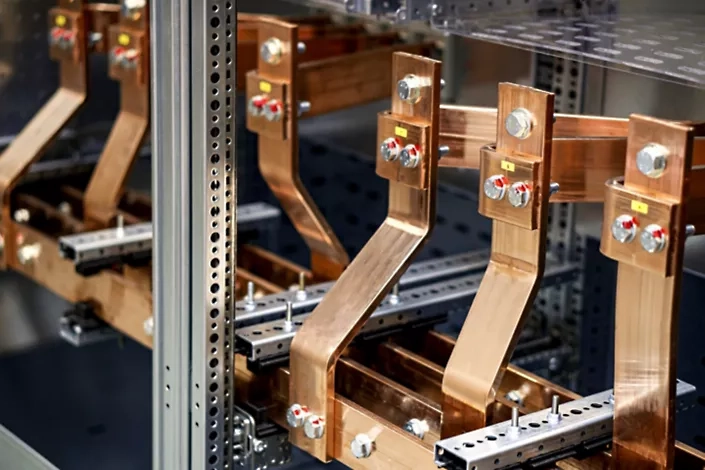
30-Day DIY Electrical Panel Cost-Saving Guide – Day 3

30-Day DIY Electrical Panel Cost-Saving Guide – Day 2
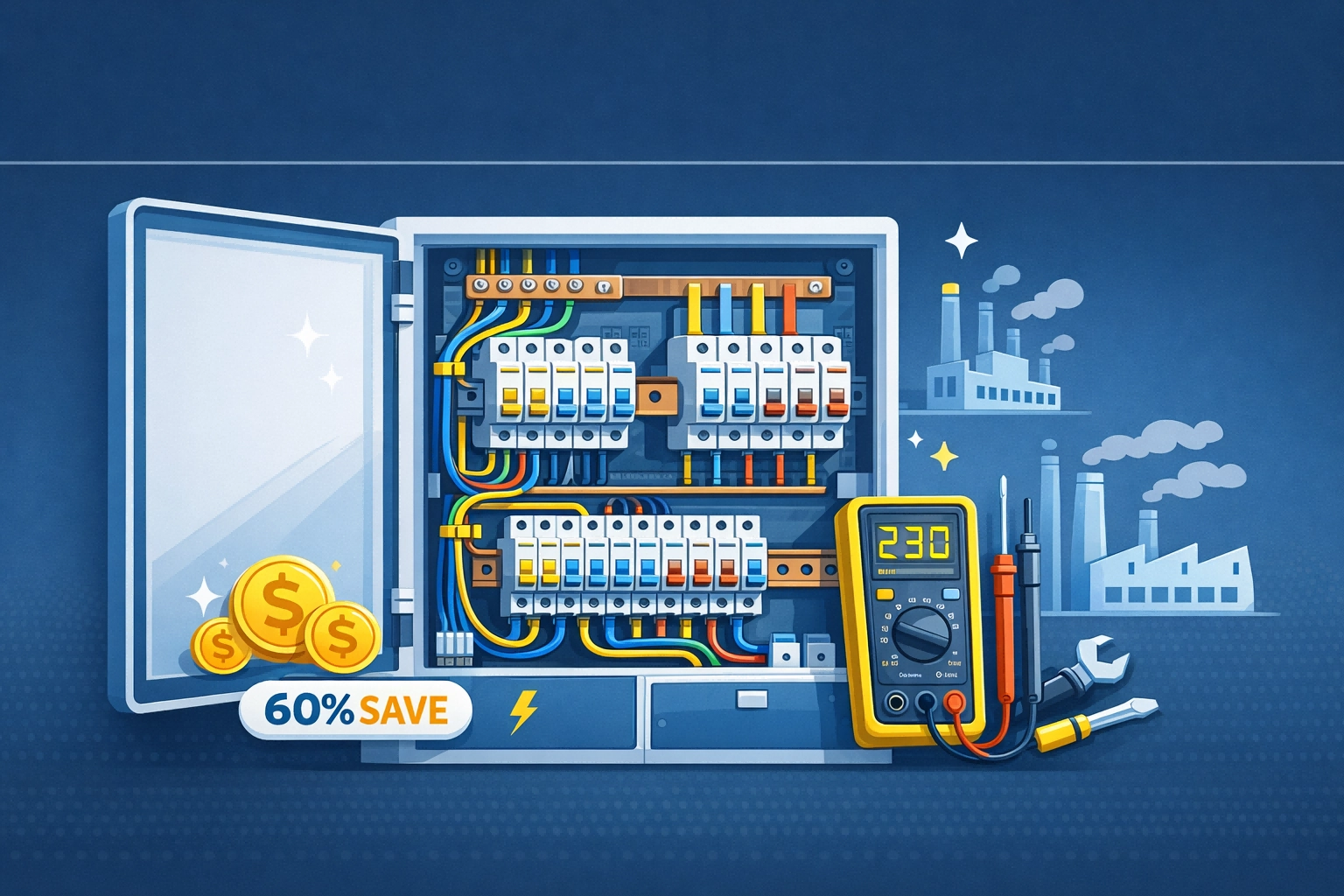
How to Build Your Own Electrical Panel and Save Up to 60% on Costs
Logistics
Can I use my own freight forwarder or shipping agent?
Absolutely. EcoNewlink fully supports customer-nominated forwarders and logistics partners.
We will:
- Coordinate directly with your agent
- Provide accurate packing data and cargo details
- Ensure smooth handover and on-time shipment
This gives you full control over shipping costs and logistics arrangements.
MCCB NLECB-250
How difficult is installation and maintenance?
Installation is straightforward with clear wiring terminals, and maintenance is minimal due to automatic fault recovery and durable outdoor design.
NH series fuses
Do you support OEM and customized specifications?
Yes. As a source manufacturer, we provide OEM branding, customized current ratings, packaging design, and technical solutions based on your project requirements.
Solar Controller with MPPT (Basic Model)
Can I monitor the system remotely?
Yes, the built in RS485 communication interface supports multi device networking and remote monitoring of operating parameters.
NLDM1 Molded Case Circuit Breaker(MCCB)
What is the rated voltage of the M1 / NLDM1 MCCB?
The rated operating voltage is AC 400V, with insulation voltage up to 1000V.
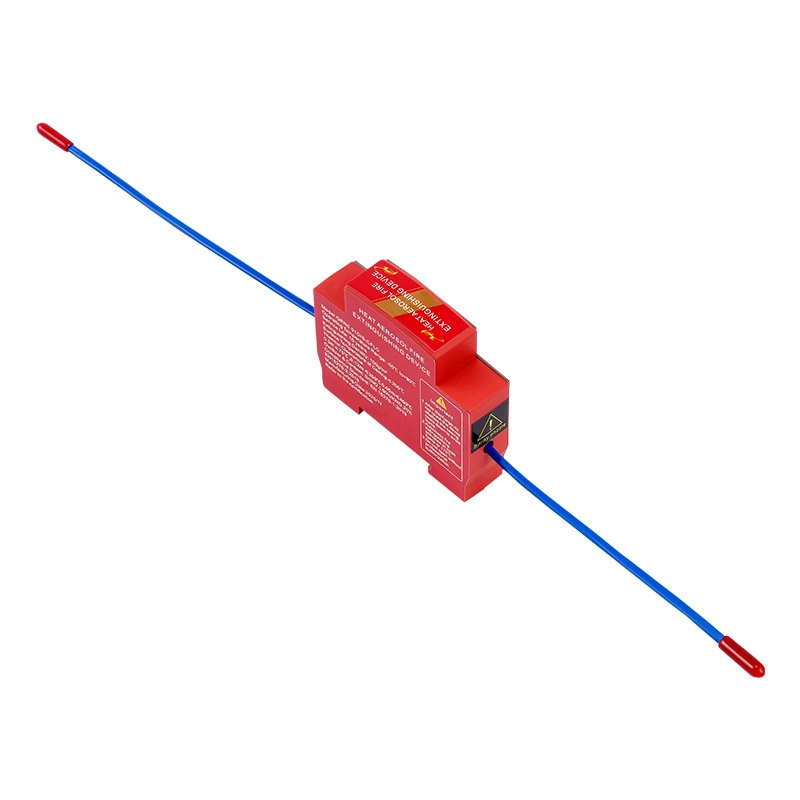
Distribution cabinet fire protection fire-fighting
Heat Aerosol FireExtinguishing Device
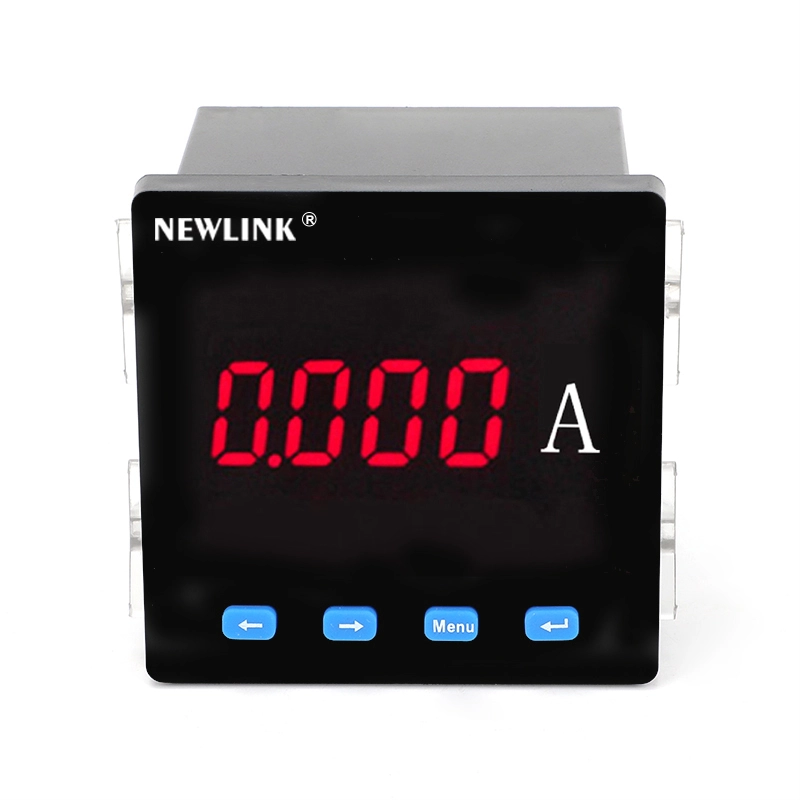
Single Phase Digital Ammeter with RS485 Modbus | LED LCD Panel Current Meter for Industrial Power Monitoring
High-precision single phase digital ammeter with RS485 Modbus communication, LED/LCD display, and programmable CT ratio. Ideal for power systems, automation equipment, and industrial monitoring applications.
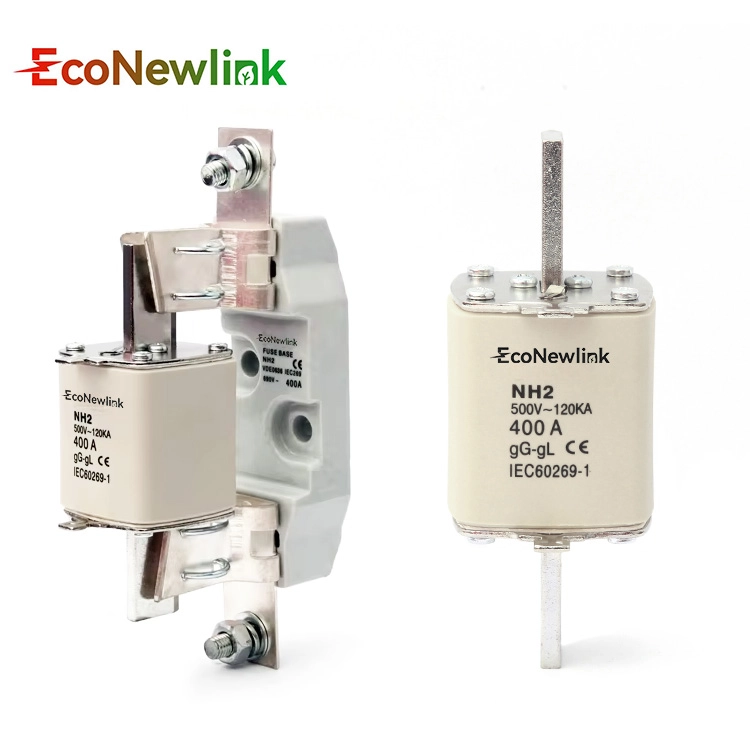
Low Voltage Ceramic Blade Fuse for Power Distribution Systems | High Breaking Capacity Industrial Protection Fuse Manufacturer
This low-voltage ceramic blade fuse is designed for reliable protection in power distribution systems and industrial electrical equipment. Built with a non-flammable ceramic body and high-purity quartz sand arc extinguishing medium, it delivers superior breaking capacity, high thermal conductivity, and excellent insulation performance. The high-strength melting tube structure ensures fast arc suppression, stable current interruption, and extended service life. Ideal for low-voltage switchgear, distribution panels, renewable energy systems, and industrial control cabinets requiring dependable circuit protection.
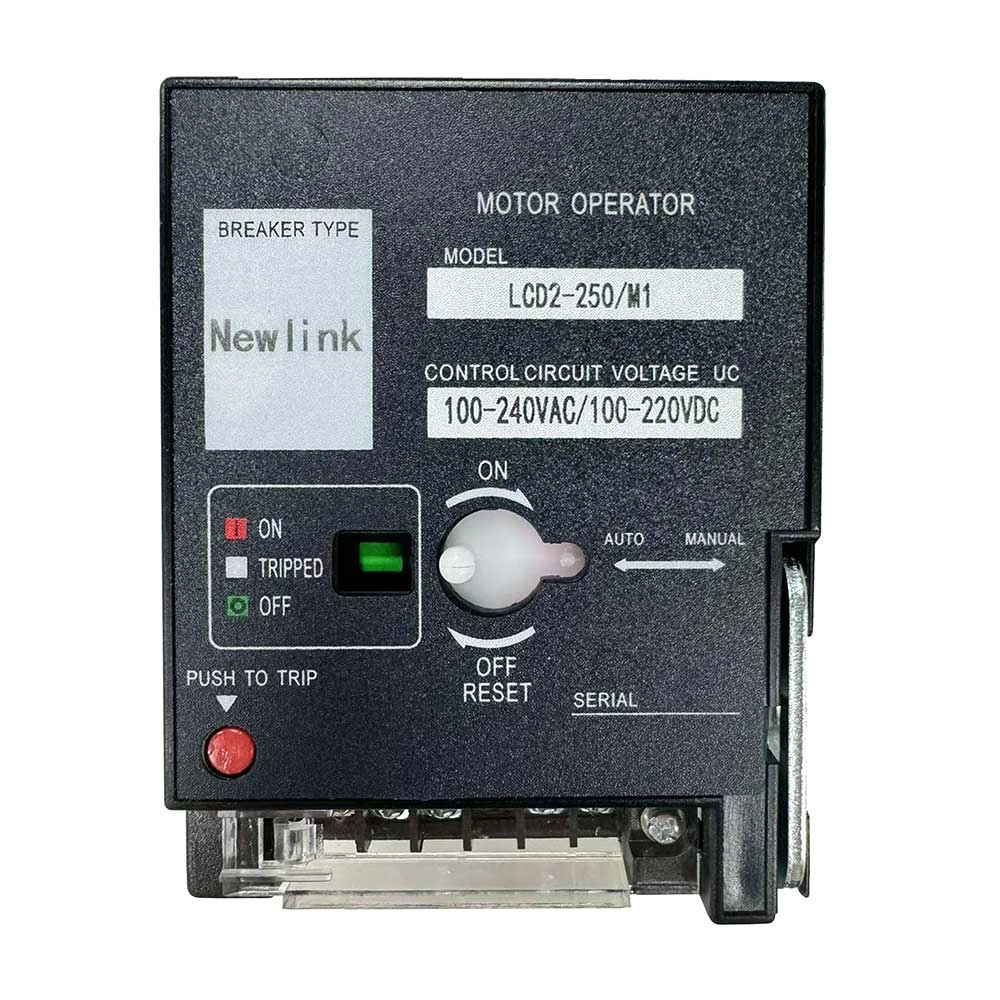
LCD2 Series Motorized Operating MCCB | Remote Control Motor Operator Molded Case Circuit Breaker | 100-240VAC/100-220VDC | Smart Power Distribution |
Motorized MCCB with remote open/close function for intelligent power distribution. Supports automatic/manual switching, control voltage 100-240VAC/100-220VDC, and reliable protection for industrial cabinets and low-voltage systems
Request More Information or Subscribe for Updates
Thank you for reading our article!
If you would like more detailed information, have specific questions, or want to stay updated with the latest articles and guides, please fill out the form below.
Our team will get back to you with tailored information and resources.
Powering the Future with Smart, Safe Solutions
EcoNewlink delivers cutting-edge intelligent power products and solutions to ensure safety, efficiency, and reliability in your power distribution systems.
Contact
Email: nali@newlink.ltd
WhatsApp:
Address: No.76 Chuangyu road, Zengcheng District, Guangzhou, China

 WhatsApp
EcoNewlink
EcoNewlink