





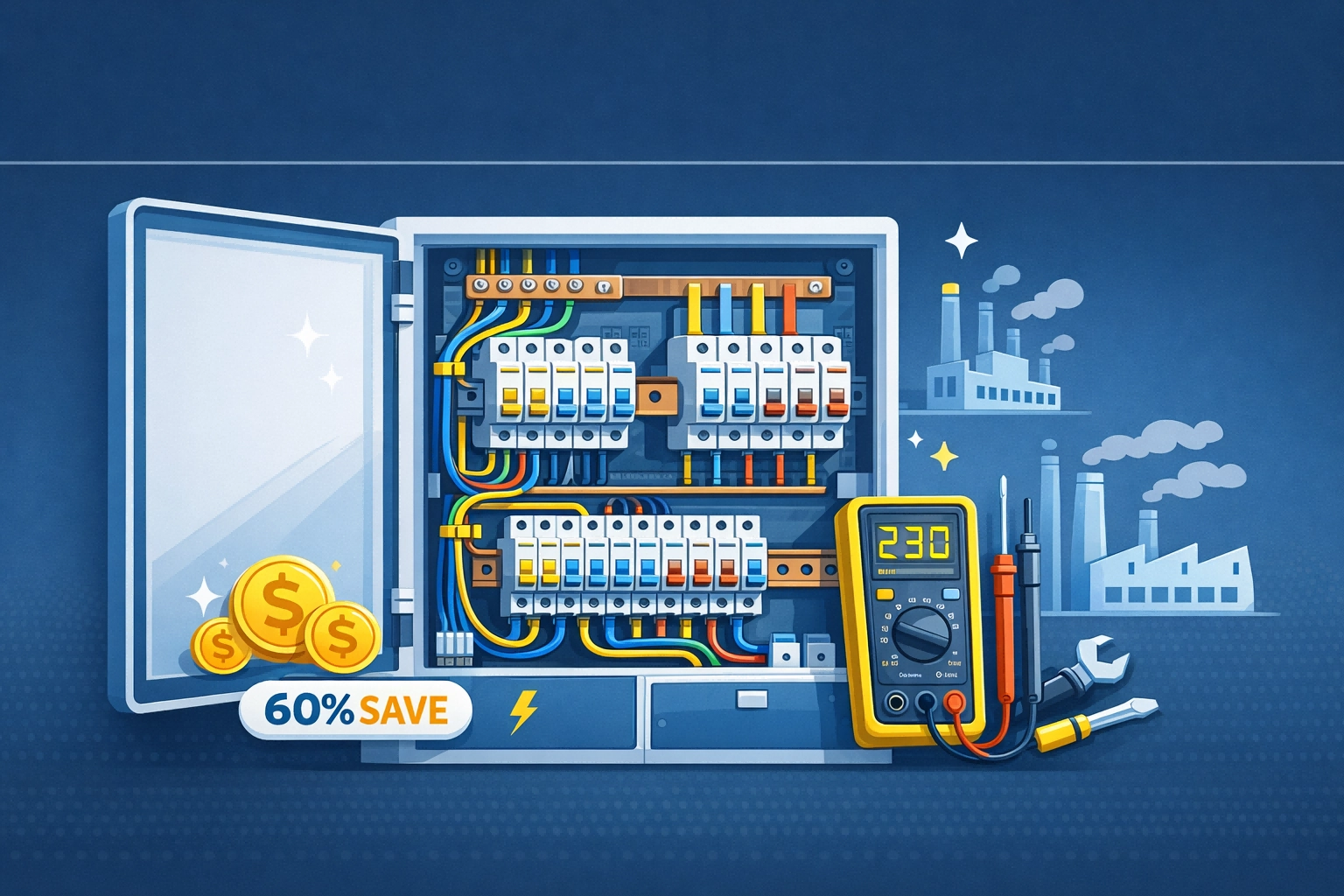
How to Build Your Own Electrical Panel and Save Up to 60% on Costs
Learn how to build your own electrical panel from scratch. Step-by-step guide with real cost comparisons. Save 3,000−10,000 on your next project.
- Why More Buyers Are Choosing DIY Electrical Panels
- Real Cost Comparison
- Is DIY Electrical Panel Assembly Right for You?
- What You Need to Get Started
- Mental Preparation
- Essential Tools
- Information to Gather First
- The 30-Day Learning Path
- Week 1: Fundamentals
- Week 2: Sourcing
- Week 3: Assembly
- Week 4: Real-World Results
- Common Concerns Addressed
- What Comes Next
When my friend who runs a hardware store wanted a 35kW industrial electrical panel, the cheapest quote he got was 5,800.Thehighestwasover10,000.
Three months later, he built one himself for about $2,300. Same specs. Same safety standards. No compromises.
This guide walks you through everything you need to know about building your own power distribution cabinet from scratch.
Why More Buyers Are Choosing DIY Electrical Panels
The electrical panel industry has a transparency problem.
Here's the typical supply chain:
Raw Materials → Component Factory → Brand/Agent → Distributor → End Buyer ↓ Each layer adds 15-30%When you source components yourself and assemble, you eliminate every middleman between you and the factory floor.
Real Cost Comparison
Based on research across 2024-2025 pricing from major suppliers and manufacturers:
| Panel Type | Pre-built Quote | Component Cost | DIY Assembly Cost |
|---|---|---|---|
| Residential Panel (12 circuits) | $250-350 | ~$85 | ~$130 |
| Small Industrial Cabinet (30kW) | $4,800-6,900 | ~$1,650 | ~$2,500 |
| Medium Distribution Cabinet (100kW) | $11,000-20,700 | ~$4,100 | ~$6,200 |
The savings are real and substantial. For a typical small business, building your own panel on a 100kW project means keeping $10,000+ in your pocket.
Is DIY Electrical Panel Assembly Right for You?
Not every project belongs on a workbench. Be honest with yourself.
Best candidates for DIY:
- Factory owners managing equipment budgets
- Contractors handling multiple projects
- Electrical supply shops offering custom solutions
- International buyers sourcing from Chinese manufacturers
- DIY enthusiasts who want control over their electrical systems
Stick with professional installation for:
- High-voltage systems (above 1000V)
- Government or enterprise projects with strict compliance requirements
- Situations where you have zero electrical knowledge and no one to ask
The threshold is clear: 220V/380V low-voltage systems, single units under 200kW capacity, with basic physics knowledge. That's your zone.
What You Need to Get Started
Mental Preparation
DIY panel building requires research, comparison, and calculation. It's not grab-and-go.
But consider the math: saving 3,000−5,000ononecabinetafter20hoursoflearningworksoutto150-250 per hour. Most people don't turn down that kind of return.
Essential Tools
Starting equipment runs about $200-300:
- Screwdriver set (Phillips and flat-head)
- Wire strippers
- Crimping tool
- Digital multimeter
- Insulated gloves (Class 0 or higher)
- Cable ties and labelling tools
Information to Gather First
Before buying anything, document your requirements:
- Total power demand in kW
- Number of circuits needed
- Single-phase or three-phase power supply
- Indoor or outdoor installation
- Future expansion plans
The 30-Day Learning Path
This guide is the first of 30 daily articles covering the complete journey from beginner to confident DIY electrical panel builder.
Week 1: Fundamentals
- Understanding panel components
- Sizing and capacity calculations
- Circuit breaker selection (1P, 2P, 3P)
- RCCB/RCBO basics
- Terminals, busbars, and cable management
Week 2: Sourcing
- Finding verified Chinese manufacturers
- 1688.com and Alibaba.com buying strategies
- Identifying true factories vs. traders
- Communication templates and negotiation tactics
- Quality inspection checklists
Week 3: Assembly
- Tool deep-dives
- Safety protocols (non-negotiable)
- Rail and main switch installation
- Wiring techniques for professional results
- Testing and commissioning procedures
Week 4: Real-World Results
- Case studies with actual numbers
- ROI calculation methods
- Spare parts strategy
- When to call a licensed electrician
Common Concerns Addressed
"I'm not a licensed electrician."
Building your own panel and hiring someone to install it are different things. Many jurisdictions allow property owners to assemble panels for their own premises. Check your local regulations.
"What about safety certifications?"
Component manufacturers provide UL, CE, or equivalent certifications for individual parts. The assembled panel inherits these certifications. Inspection authorities typically verify installation, not component sourcing.
"Will it look professional?"
Yes, if you follow the wiring techniques covered in Week 3. The result looks identical to commercial panels. Most people cannot tell the difference.
What Comes Next
Article 2 in this series breaks down every component you need: main switches, circuit breakers, busbars, terminals, and more. You'll understand exactly what each part does and how to select the right specifications.
Building your own electrical panel is closer to assembling a computer than you might think. The components are standardized. The logic is learnable. The savings are immediate.
Day 2: Understanding Your Component Checklist
Questions about your specific situation? Leave a comment with your project details (power requirements, location, application) and I'll address common scenarios in upcoming articles.
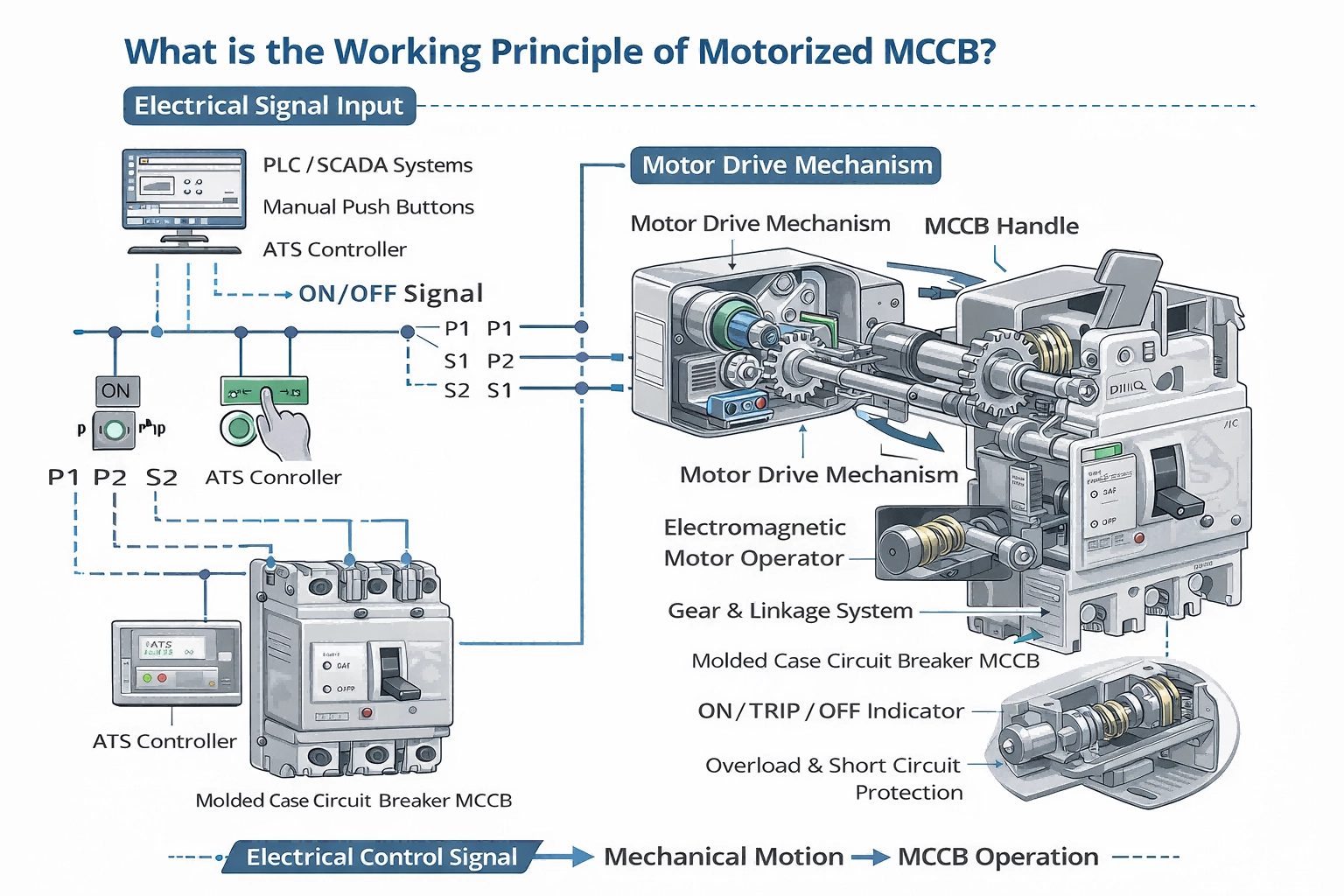
How to Use a Motorized MCCB Circuit Breaker for Remote Control and ATS Systems
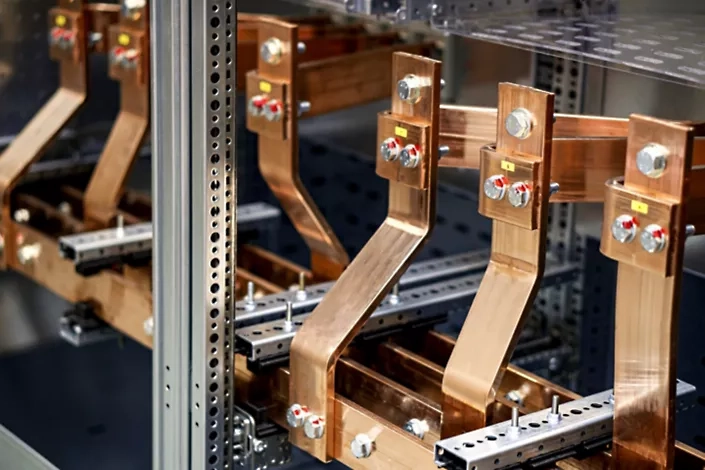
30-Day DIY Electrical Panel Cost-Saving Guide – Day 3
30-Day DIY Electrical Panel Cost-Saving Guide – Day 2
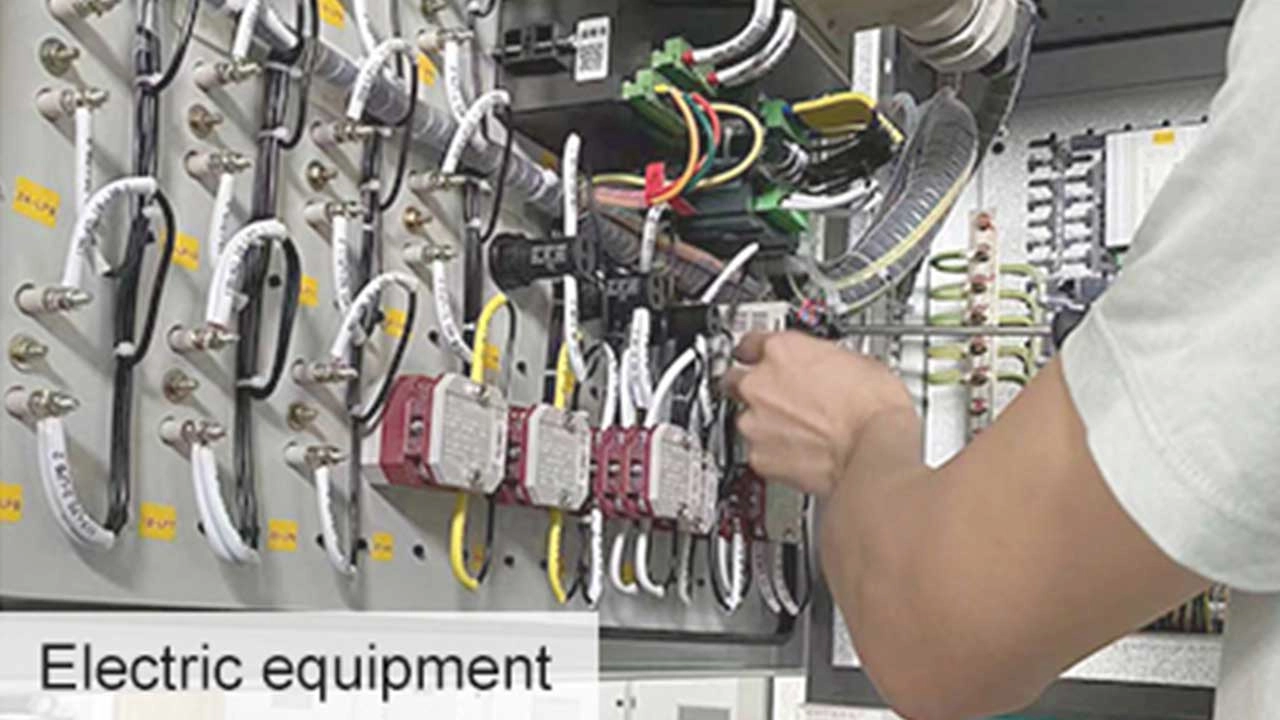
How to Choose MCB & MCCB | Find Reliable Chinese Circuit Breaker Manufacturers Description:
3P NLCD2 Series Motorized Operating MCCB
Can it work with generator and utility systems?
Yes, but interlock or ATS control is required to prevent simultaneous closing.
What MCCB brands are compatible?
Compatible with NS, NM1, CM1, ABB and other similar MCCB types.
OEM/ODM
What after-sales support do you provide for OEM customers?
We provide long-term after-sales support, including technical documentation, remote troubleshooting, spare parts supply, and continuous engineering assistance to ensure stable system performance throughout the product lifecycle.
Photovoltaic DC circuit breaker DC MCB
What voltage does it support?
The breaker supports DC125V (1P) and DC250V (2P) configurations.
NLDB1Z-125 manul
What systems is this DC breaker used for?
It is mainly used in solar photovoltaic systems, DC distribution boxes and battery storage systems.
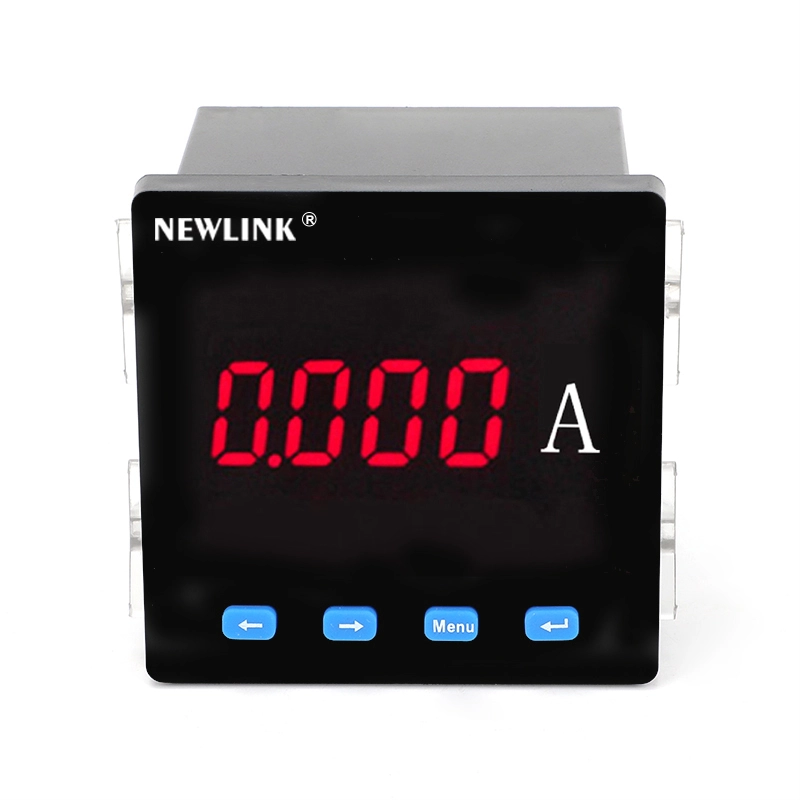
Single Phase Digital Ammeter with RS485 Modbus | LED LCD Panel Current Meter for Industrial Power Monitoring
High-precision single phase digital ammeter with RS485 Modbus communication, LED/LCD display, and programmable CT ratio. Ideal for power systems, automation equipment, and industrial monitoring applications.
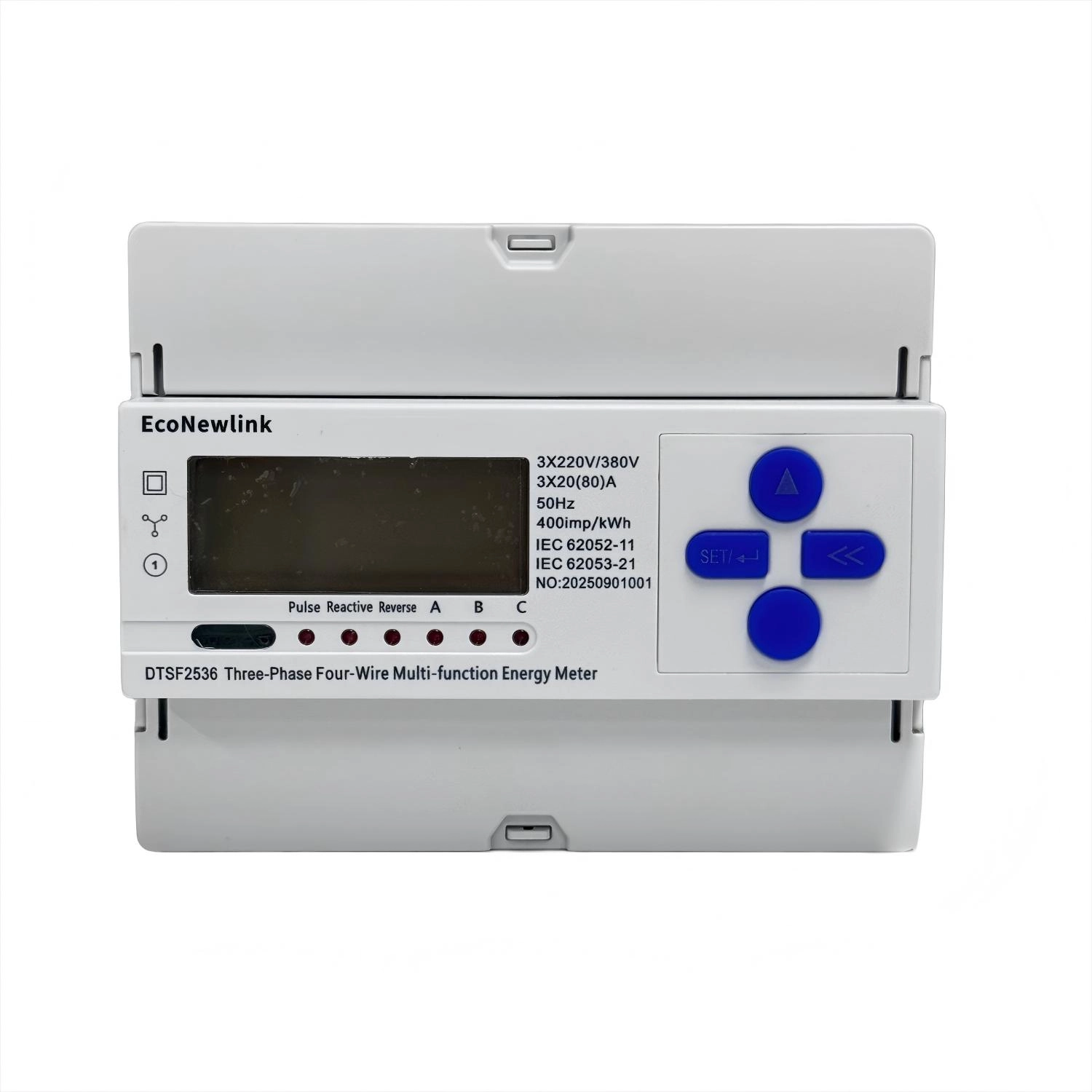
EcoNewlink Three Phase anti backflow energy meter RS485 Modbus DINRail Zero Export for PV Inverter
This three-phase anti-backflow energy meter is designed for solar PV systems to prevent excess electricity from feeding back into the grid. With RS485 Modbus communication, it provides real-time data to the inverter for dynamic power control, helping maximize self-consumption and ensure compliance with grid regulations. Ideal for residential, commercial, and rental energy management systems.
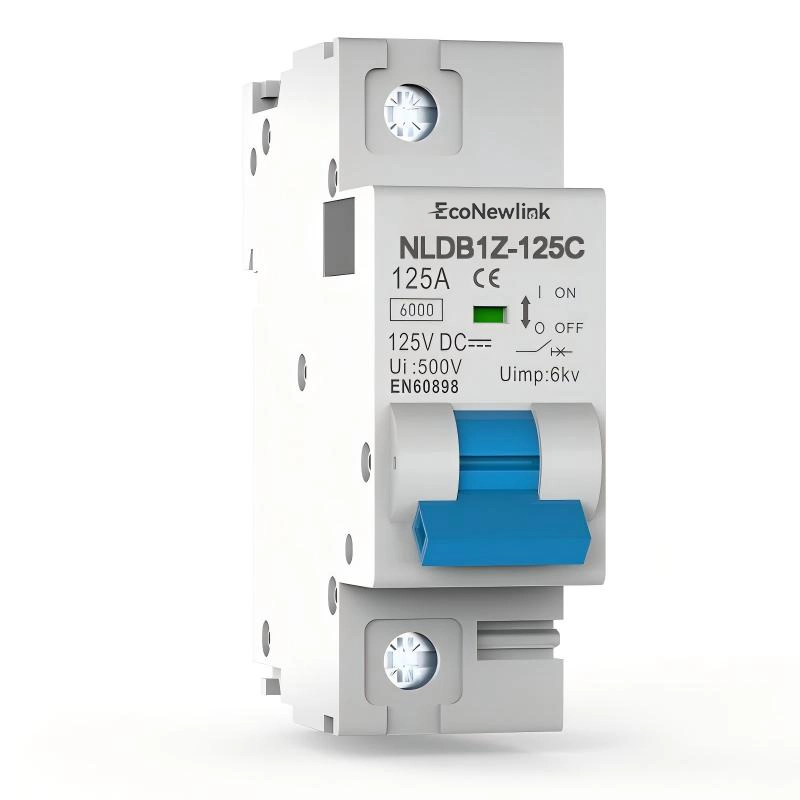
DIN Rail Solar DC MCB Circuit Breaker 63A-125A 250V DIN Rail Miniature Circuit Breaker for Photovoltaic System
High-performance DC miniature circuit breaker for solar photovoltaic systems, supporting 63A-125A current and up to 250V DC voltage. DIN rail installation, optional 6kA/10kA breaking capacity, reliable protection for solar panels, battery systems and DC distribution.
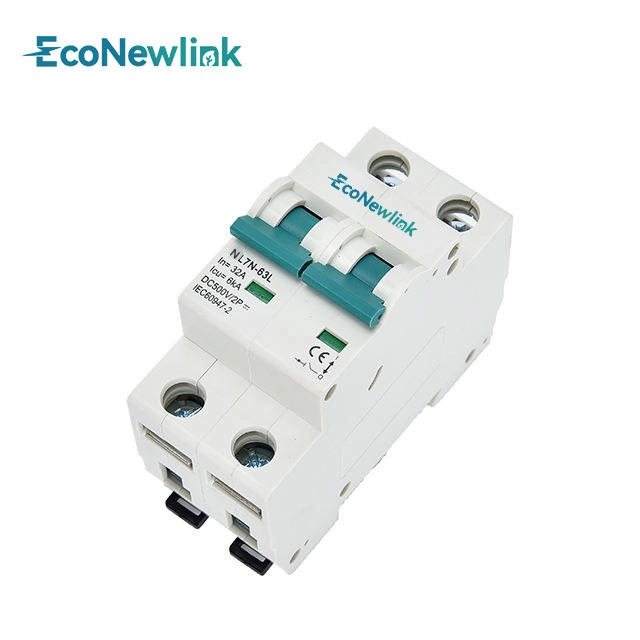
Breaking Capacity Dual Power Manual Transfer Isolating Switch Interlock MCB
Request More Information or Subscribe for Updates
Thank you for reading our article!
If you would like more detailed information, have specific questions, or want to stay updated with the latest articles and guides, please fill out the form below.
Our team will get back to you with tailored information and resources.
Powering the Future with Smart, Safe Solutions
EcoNewlink delivers cutting-edge intelligent power products and solutions to ensure safety, efficiency, and reliability in your power distribution systems.
Contact
Email: nali@newlink.ltd
WhatsApp:
Address: No.76 Chuangyu road, Zengcheng District, Guangzhou, China

 WhatsApp
EcoNewlink
EcoNewlink