





what is the standard 5-step oem cooperation process for power distribution products? | Insights by EcoNewlink
- 1) How do I write an RFQ for custom power distribution switchgear to avoid scope creep and hidden costs?
- 2) What documentation and prototype outputs does the feasibility / NPI stage need to ensure IEC/UL compliance and avoid redesign cycles?
- 3) How should I structure acceptance tests (type tests, routine tests, FAT/SAT) to pass short-circuit and temperature-rise tests without repeated failures?
- 4) What are realistic lead times, MOQ expectations, and the main cost drivers during tooling and pilot runs for busbars, enclosures, and molded parts?
- 5) How can I implement effective QC and traceability in mass production (AQL, lot control, PCB components) to prevent field failures?
- 6) How should I negotiate warranty, spare parts, and after-sales SLAs in OEM contracts to reduce lifecycle costs and liability?
1) How do I write an RFQ for custom power distribution switchgear to avoid scope creep and hidden costs?
A precise RFQ (request for quotation) is the single biggest determinant of a clean OEM engagement. For power distribution products, an RFQ must go beyond basic specs and address performance, compliance, and process expectations to prevent scope creep and surprise charges.
Actionable RFQ checklist:
- Product identity: functional description, single-line diagram, rated voltage, rated current, short-circuit breaking capacity (kA), frequency, environmental class (indoor/outdoor, IP rating), and altitude.
- Bill of Materials (BOM) baseline: list of critical items (circuit breakers, CTs/PTs, busbars, insulators), preferred manufacturers or acceptable equivalents, and key part numbers.
- Mechanical drawings: mounting dimensions, enclosures, cable entry preferences, and weight limits. Attach 2D/3D CAD where possible.
- Electrical drawings & protection logic: schematic, wiring diagrams, control logic, interlocks and relay settings.
- Compliance & testing expectations: required standards (e.g., IEC 61439 for LV assemblies, IEC 60947 for switching devices, UL 508A for North America), required type or routine tests, and expected certification responsibilities.
- Quality & documentation: required test reports (type/routine), material certificates (EN 10204 3.1 for metallic parts where applicable), FAI/first-article inspection, and traceability requirements.
- Delivery & milestones: prototype/sample deadline, tooling completion, pilot run dates, mass production lead times, and shipping terms (INCOTERMS).
- Commercial terms: target MOQ, target unit price bands, warranty period, payment milestones, and penalties for late delivery.
- Acceptance criteria: clear FAT/SAT test lists and pass/fail criteria so both parties align on when goods are accepted.
Why this avoids hidden costs: suppliers price to defined scope. Without precise test lists, BOM restrictions, or enclosure details, vendors will add contingency or later claim change orders. If you expect certifications, state who pays for testing and rework (buyer or supplier) in the RFQ.
2) What documentation and prototype outputs does the feasibility / NPI stage need to ensure IEC/UL compliance and avoid redesign cycles?
NPI (new product introduction) is where engineering alignment prevents repeated redesigns. For power distribution products the technical and regulatory demands are high; the right deliverables shorten certification cycles.
Minimum deliverables for feasibility/NPI:
- Design dossier: schematic, wiring, BOM with supplier sources, mechanical assembly drawings, and cable schedules.
- DFM/DFMEA: design-for-manufacture checks, and DFMEA identifying single-point failures and mitigation.
- Risk & compliance matrix: mapping each requirement to the design (e.g., which component ensures dielectric withstand, which subassembly meets short-circuit withstand limits per IEC 61439).
- Prototype specification and test plan: clear list of type tests (temperature-rise, dielectric, short-circuit, mechanical endurance, IP/ingress), routine tests, and pass criteria.
- Sample components and critical part approvals: samples of busbar material (copper grade + plating), molded parts, insulators — plus material certificates.
- Prototype validation reports: thermal simulations or measurements, vibration/transport assessments if applicable, and initial EMC checks if control/electronics are present.
Practical tips to avoid redesign cycles:
- Engage certifying bodies early. If UL or a Notified Body will witness tests, involve them in test-plan approvals to avoid repeat testing.
- Use reference designs and proven subassemblies where possible. Certified modules (e.g., circuit breakers or meters already UL/CE-marked) reduce the scope of full-assembly testing.
- Lock a critical-component list early and manage approved equivalents—changes after tooling will trigger requalification.
3) How should I structure acceptance tests (type tests, routine tests, FAT/SAT) to pass short-circuit and temperature-rise tests without repeated failures?
Passing short-circuit and temperature-rise tests reliably requires planning, instrument calibration, and prototype maturity.
Test structure and best practices:
- Type testing: full-assembly tests per standards (e.g., IEC 61439 Type Tests: temperature-rise, dielectric test, short-time withstand, short-circuit making/withstand, mechanical operation, degree of protection). These are typically destructive or definitive and often need to be witnessed by a lab.
- Routine tests: 100% checks on every unit (insulation resistance, continuity, operational checks, and low-voltage functional tests). Routine tests are non-destructive and ensure manufacturing quality.
- FAT (Factory Acceptance Test): Customer-issued test script executed at supplier site before shipment. FAT should include the same environmental and electrical tests expected at site but within practical limits (e.g., full function and protection logic, HV if safe and allowed).
- SAT (Site Acceptance Test): In-situ verification after installation to confirm operation under real conditions; often includes end-to-end protection coordination and CT/VT verification.
To avoid failures:
- Pre-test simulations and component derating: simulate thermal profiles with realistic ambient and loading conditions. Use conservative conductor sizes and spacing to reduce temperature-rise risk.
- Calibrated instruments and accredited labs: ensure test equipment is calibrated to traceable standards. Use accredited test houses for type tests to avoid disputes.
- Controlled assembly practices: correct torque for bolted busbar connections, proper surface finishes, and contact treatments (e.g., tin/bronze plating) dramatically reduce contact resistance and heating.
- Witnessed dry runs: run the FAT scripts at low-stress levels first, inspect for hotspots with IR camera, then ramp to full test levels.
- Root-cause process: if a test fails, perform immediate DFMEA update, corrective action, and re-run only the affected tests. Maintain an evidence-based correction log for certification purposes.
4) What are realistic lead times, MOQ expectations, and the main cost drivers during tooling and pilot runs for busbars, enclosures, and molded parts?
Lead times and MOQ vary by product complexity, materials, and location, but realistic industry ranges help planning.
Typical timeline ranges:
- Initial prototype (hand-built): 2–6 weeks for simple panels; 6–12 weeks for complex assemblies with custom PCBs or molded parts.
- Tooling and molds for plastic enclosures: 6–16 weeks depending on complexity and finish requirements.
- Progressive tooling for metal parts (busbars, pressed enclosures): 8–20 weeks depending on laser/press tooling needs.
- Pilot run to validate processes: 2–6 weeks after tooling completion.
- Mass production lead time: 4–12 weeks per batch depending on capacity, material lead times, and certification hold-ups.
MOQ considerations:
- For highly customized switchgear, MOQ can be as low as 10–50 units if custom tooling is minimal. If injection-molded parts or dedicated stamping dies are required, MOQ typically rises to 100–500 units to amortize tooling costs.
Primary cost drivers:
- Material costs: copper busbars and high-grade steel for enclosures are dominant. Price volatility in copper affects unit cost significantly.
- Tooling & molds: one-time capital expenses that determine MOQ and amortized unit cost.
- Certification and testing: accredited lab fees (type tests) and re-tests for design changes.
- Labor & assembly: skilled labor for precise assembly, torqueing, and secondary operations (e.g., busbar jointing, surface treatment).
- Supply chain complexity: custom components (CTs, breakers) with long lead times drive holding costs; sourcing substitutes impacts cost and qualification time.
Ways to reduce cost/lead time:
- Standardize enclosures and subassemblies across product families.
- Use modular designs that accept certified off-the-shelf modules (circuit breakers, meters).
- Negotiate consigned stock for long-lead critical parts or use dual sourcing.
5) How can I implement effective QC and traceability in mass production (AQL, lot control, PCB components) to prevent field failures?
Robust QC and traceability prevent field failures and reduce recall risk. For electrical distribution equipment, traceability must reach back to critical items and processes.
Key QC systems and practices:
- Quality management: require supplier ISO 9001 certification and include process audits in the contract. For electronics, adopt IPC-A-610 standards for PCB assembly.
- Lot and batch control: serialize critical components (breakers, CTs, busbar assemblies) with batch numbers, supplier lot references, and material certificates (EN 10204 3.1 where applicable).
- Acceptance sampling: use statistically valid sampling plans based on ISO 2859 (AQL). Typical AQLs: 1.5 for major defects, 0.65 for critical defects—adjust higher or lower depending on product risk.
- First-Article Inspection (FAI): require FAI or PPAP-style documentation for the first production run of any new or changed part.
- In-process controls: torque control tools with data logging, automated assembly checks, and in-line electrical functional tests.
- Documentation & digital traceability: electronic records for production steps, operator IDs, test results, and calibration certificates for test instruments.
- Field-return analysis and feedback loop: establish an RMA and root-cause procedure with defined timelines for analysis and corrective actions. Maintain a lessons-learned database to prevent recurrence.
6) How should I negotiate warranty, spare parts, and after-sales SLAs in OEM contracts to reduce lifecycle costs and liability?
Warranty, spare parts, and SLAs are lifecycle cost levers. Clear terms prevent disputes and lower total cost of ownership.
Contract items to negotiate and document:
- Warranty scope & exclusions: define duration (typical 12–36 months), what is covered (manufacturing defects vs. wear items), and exclusions (improper installation, overcurrent events beyond rating, unauthorized modifications).
- Response & repair SLA: define initial response time, on-site arrival time, remote support windows, and escalation paths. For critical distribution gear, tiered SLAs (e.g., 4-hour remote response, 48-hour onsite for urban areas) are common.
- Spare parts provisioning: agree on a spare-parts list with recommended field spares and guaranteed availability windows. Consider consignment stock or guaranteed lead times for critical spares.
- Warranty claims & evidence: require a documented claim process (RMA with photos, test logs). Define acceptable failure modes and return-shipment responsibilities.
- Liability & limits: cap aggregate liability (often related to product value or defined multiples) and include remedies (repair, replacement, or credit).
- Service training & documentation: negotiate included training for client technicians, plus availability of technical manuals, wiring diagrams, and spares kits.
Cost-reduction levers:
- Buy a spare kit at contract signature with discounted pricing and predictable availability.
- Include remote-monitoring or telemetry to diagnose issues early and minimize on-site visits.
- Agree on preventive maintenance schedules and optional service contracts to prolong asset life and reduce emergency repairs.
Conclusion:
Adopting a standardized 5-step OEM cooperation process—1) RFQ & requirements, 2) feasibility & NPI, 3) prototyping & type testing, 4) tooling & pilot run, and 5) mass production, QC & after-sales—reduces rework, clarifies responsibilities for certification (IEC/UL), and lowers total lifecycle cost. This structured path aligns technical, quality, commercial, and legal expectations: precise RFQs prevent scope creep; NPI and DFMEA reduce design failures; rigorously planned tests (FAT/SAT/type tests) prevent field incidents; realistic lead-time/MOQ planning avoids surprises; and strong QC/traceability plus clear SLAs secure long-term reliability.
For a tailored quotation or to review your RFQ and OEM plan, contact us for a quote: www.econewlink.com or email nali@newlink.ltd.
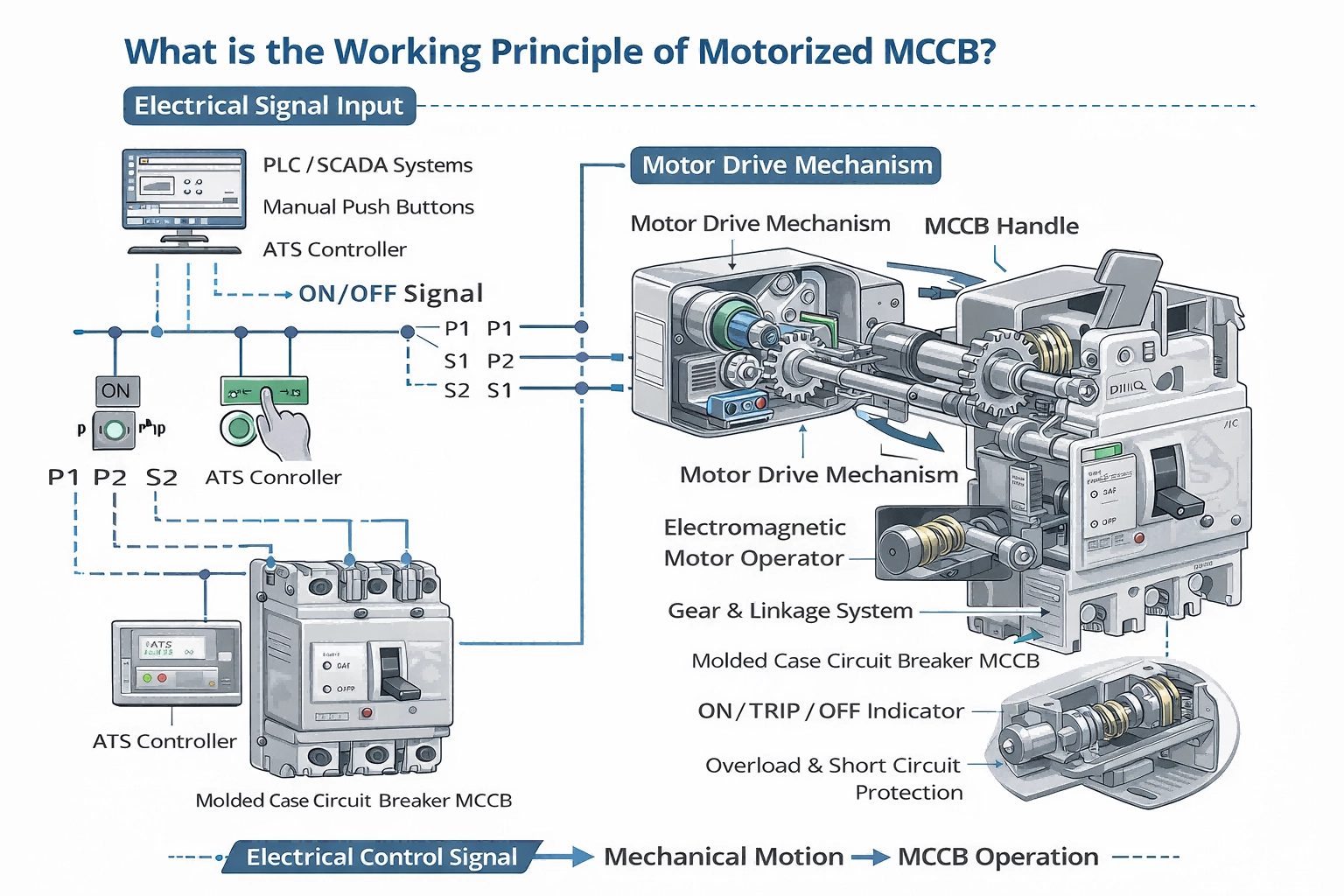
How to Use a Motorized MCCB Circuit Breaker for Remote Control and ATS Systems
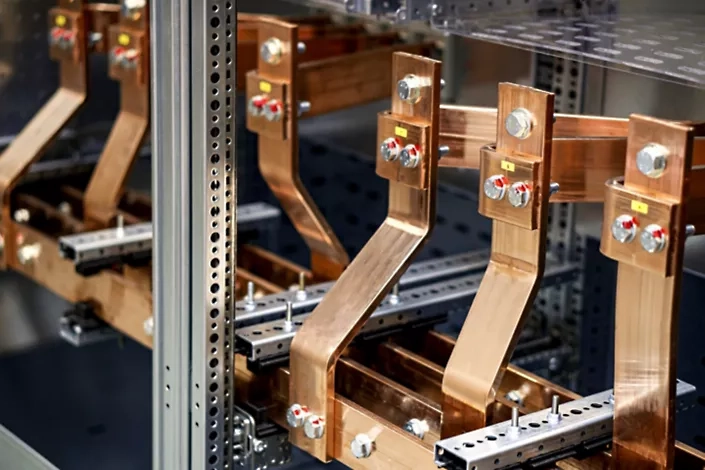
30-Day DIY Electrical Panel Cost-Saving Guide – Day 3
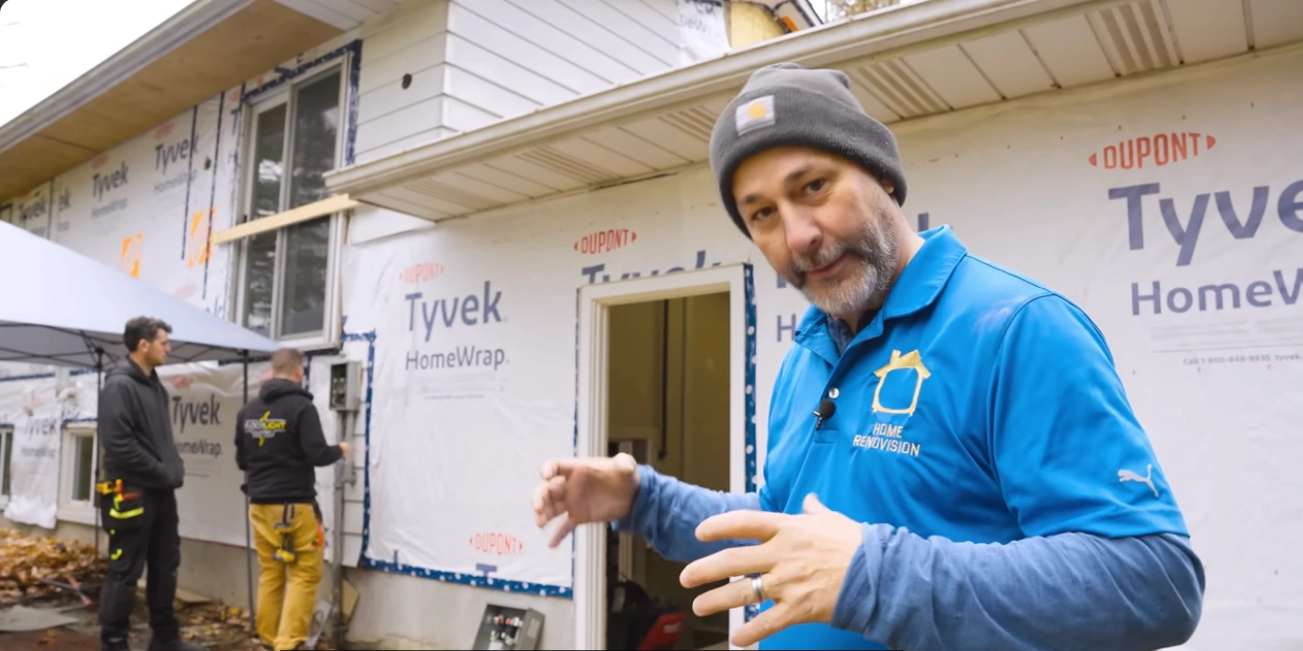
30-Day DIY Electrical Panel Cost-Saving Guide – Day 2
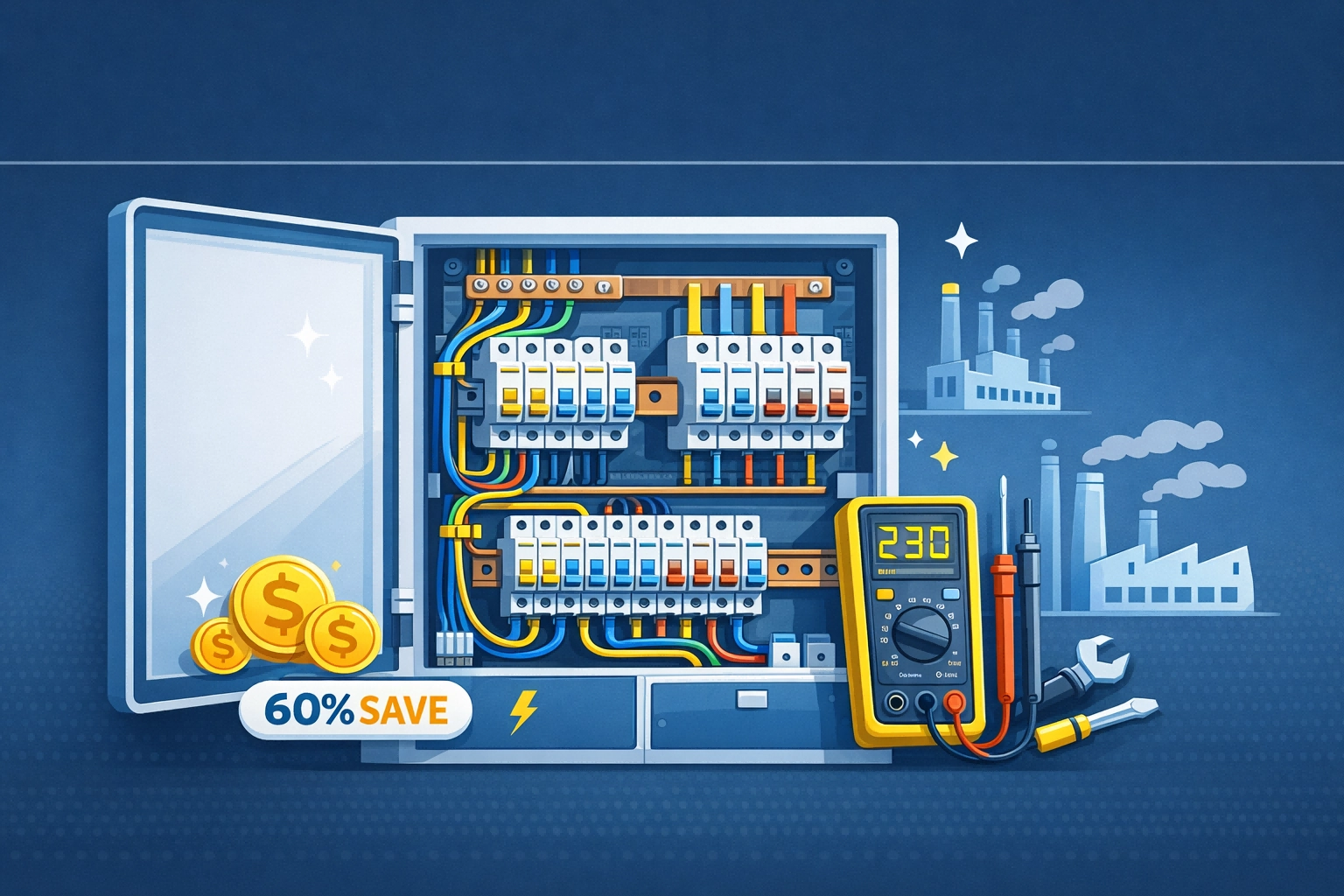
How to Build Your Own Electrical Panel and Save Up to 60% on Costs
Tuya WiFi Smart Recloser
What is the working voltage range?
The working voltage is AC 80V–300V (single phase) with a rated voltage of AC110V / 230V.
Energy Meter Single-Phase Ammeter
Can it be used with a current transformer?
Yes, it supports CT input and allows programmable transformation ratio settings.
Logistics
Do you offer DDP (Delivered Duty Paid) shipping service?
Yes, we can provide DDP shipping solutions, especially for regions such as:
- Europe
- Southeast Asia
- Middle East
- North America
Under DDP terms:
- We handle shipping, customs clearance, and import duties
- Customers receive goods directly without extra charges
This is ideal for clients who want a hassle-free, door-to-door delivery experience.
Service
What kind of technical support do you provide?
We offer comprehensive technical support, including:
- Product selection guidance
- System design support
- OEM/ODM engineering assistance
- Installation and application advice
Our engineering team ensures customers receive efficient and customized solutions for different applications.
Three-phase power meter
Which switchgear or installation environments are supported?
It is compatible with GCS, GCK, MNS, and GGD switchgear and various industrial installation environments.
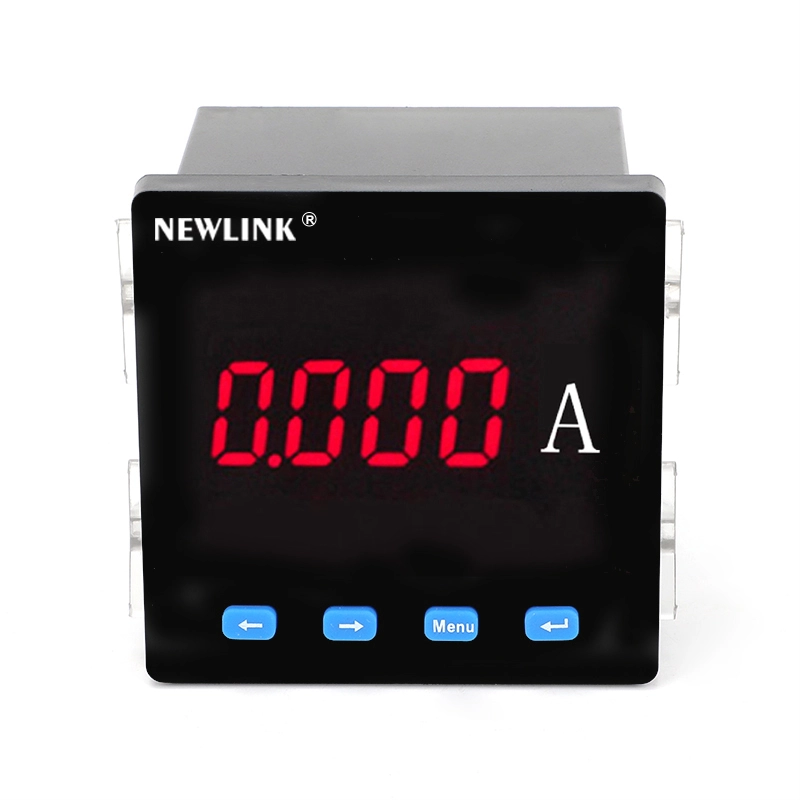
Single Phase Digital Ammeter with RS485 Modbus | LED LCD Panel Current Meter for Industrial Power Monitoring
High-precision single phase digital ammeter with RS485 Modbus communication, LED/LCD display, and programmable CT ratio. Ideal for power systems, automation equipment, and industrial monitoring applications.
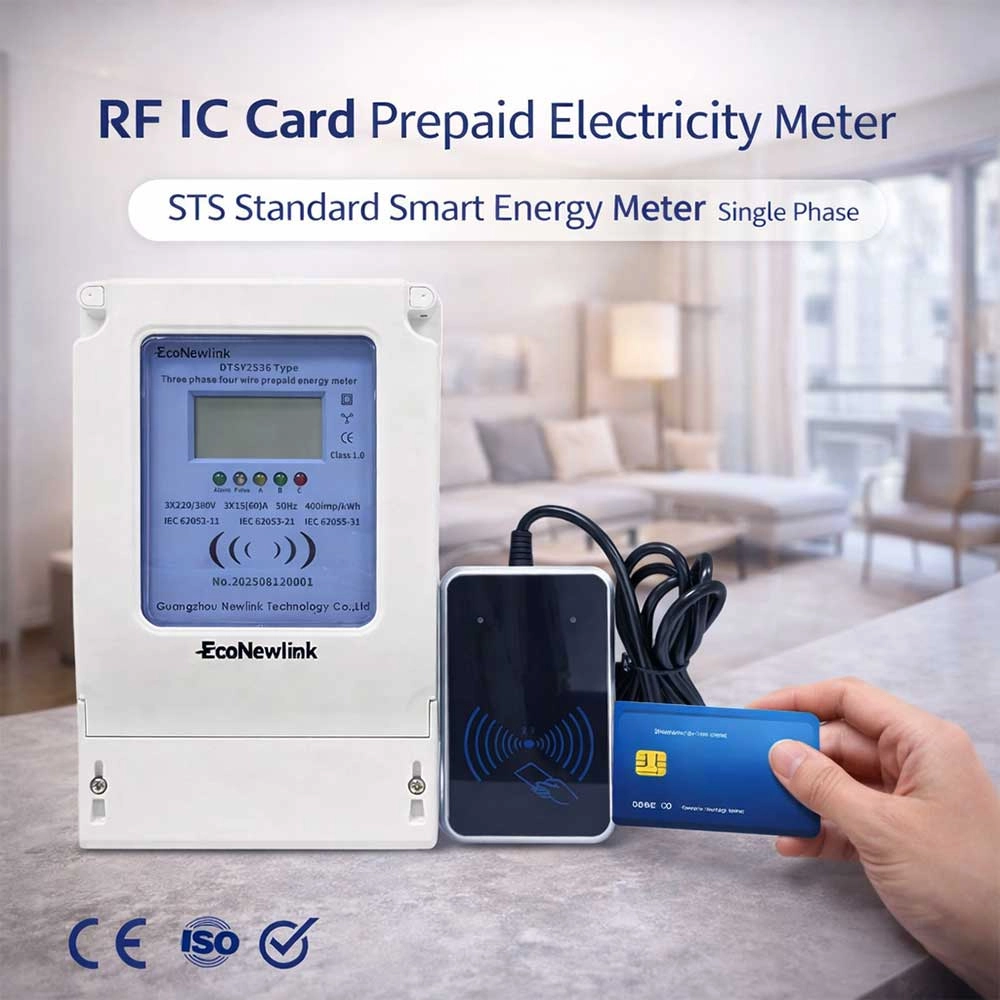
STE18-RF Prepaid IC Card Energy Meter – STS Compliant RF Smart Electricity Meter for Secure Prepaid Power Management and Vending System Integration
The STE18-RF Prepaid IC Card Electricity Meter is an STS-compliant smart energy meter designed for secure and efficient prepaid power management. Using reliable RF IC card communication, the meter enables accurate electricity data storage, token-based credit management, and seamless integration with vending systems or handheld units. Its modular plug-and-play architecture supports flexible smart metering deployment while ensuring stable performance, tamper protection, and offline operation without continuous network connectivity.
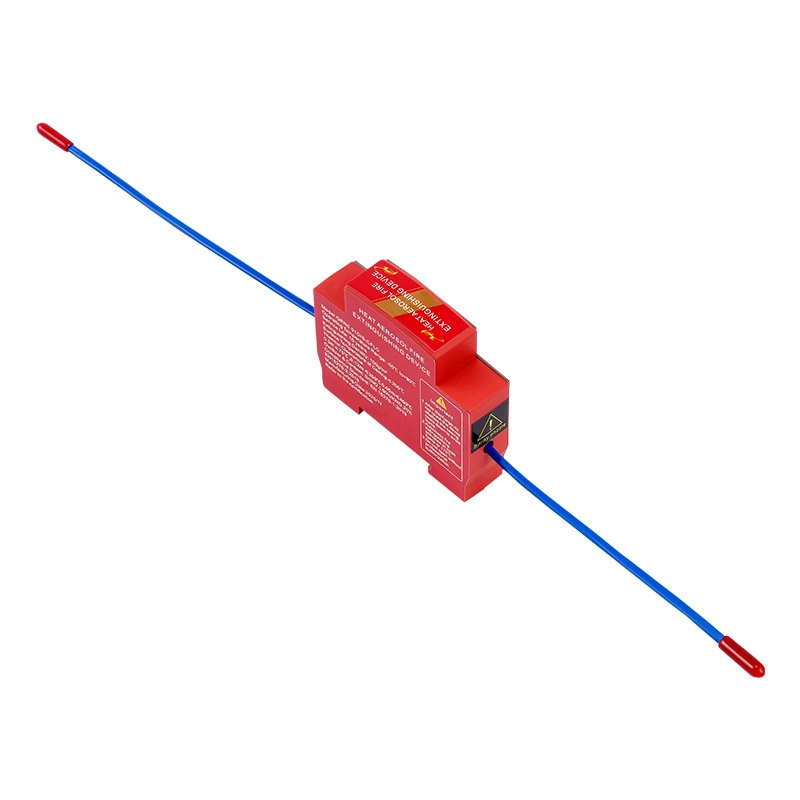
Distribution cabinet fire protection fire-fighting
Heat Aerosol FireExtinguishing Device
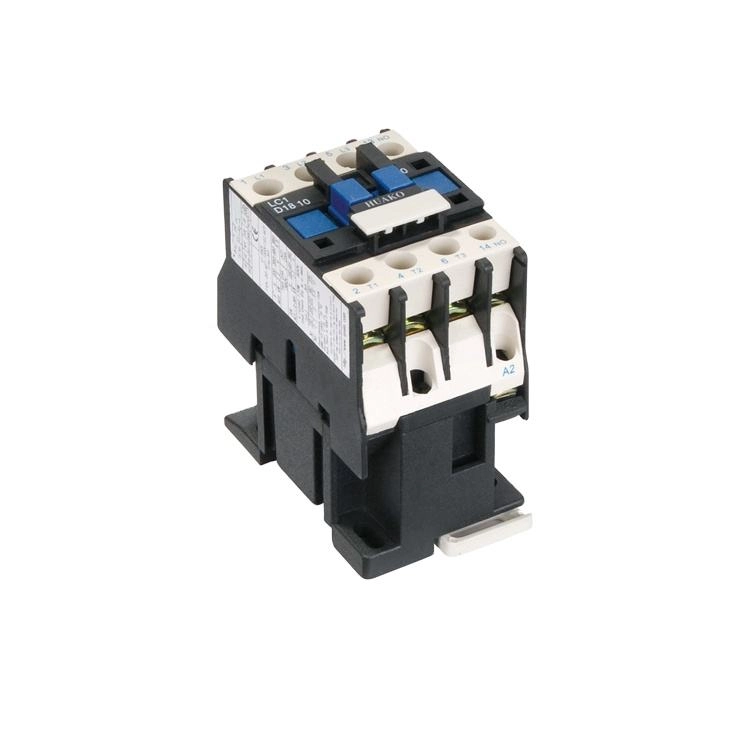
LC1 (CJX2) 220V Single Pole 2 Pole 3P 4 Pole Electrical Contactor Magnetic AC DP Definite Purpose Contactor
Request More Information or Subscribe for Updates
Thank you for reading our article!
If you would like more detailed information, have specific questions, or want to stay updated with the latest articles and guides, please fill out the form below.
Our team will get back to you with tailored information and resources.
Powering the Future with Smart, Safe Solutions
EcoNewlink delivers cutting-edge intelligent power products and solutions to ensure safety, efficiency, and reliability in your power distribution systems.
Contact
Email: nali@newlink.ltd
WhatsApp:
Address: No.76 Chuangyu road, Zengcheng District, Guangzhou, China

 WhatsApp
EcoNewlink
EcoNewlink