





Anti Backflow Energy Meter: How It Works, Wiring Guide & Solar Zero Export Solution
Learn how anti-backflow energy meters work in solar systems, how to install them correctly, and how to maximize energy savings. Complete guide with wiring tips, applications, and FAQs.
- What Is an Anti-Backflow Energy Meter?
- Why Do You Need an Anti-Backflow Meter?
- How Does an Anti-Backflow Energy Meter Work?
- Typical Wiring in Solar System
- Key Features of a High-Quality Anti-Backflow Meter
- Common Mistakes That Reduce Energy Savings
- 1. Wrong Meter Location
- 2. Incorrect CT Direction or Ratio
- 3. Communication Failure
- 4. No Battery Storage
- 5. Low Daytime Load
- 6. Unbalanced Three-Phase Load
- How to Maximize Energy Savings
What Is an Anti-Backflow Energy Meter?
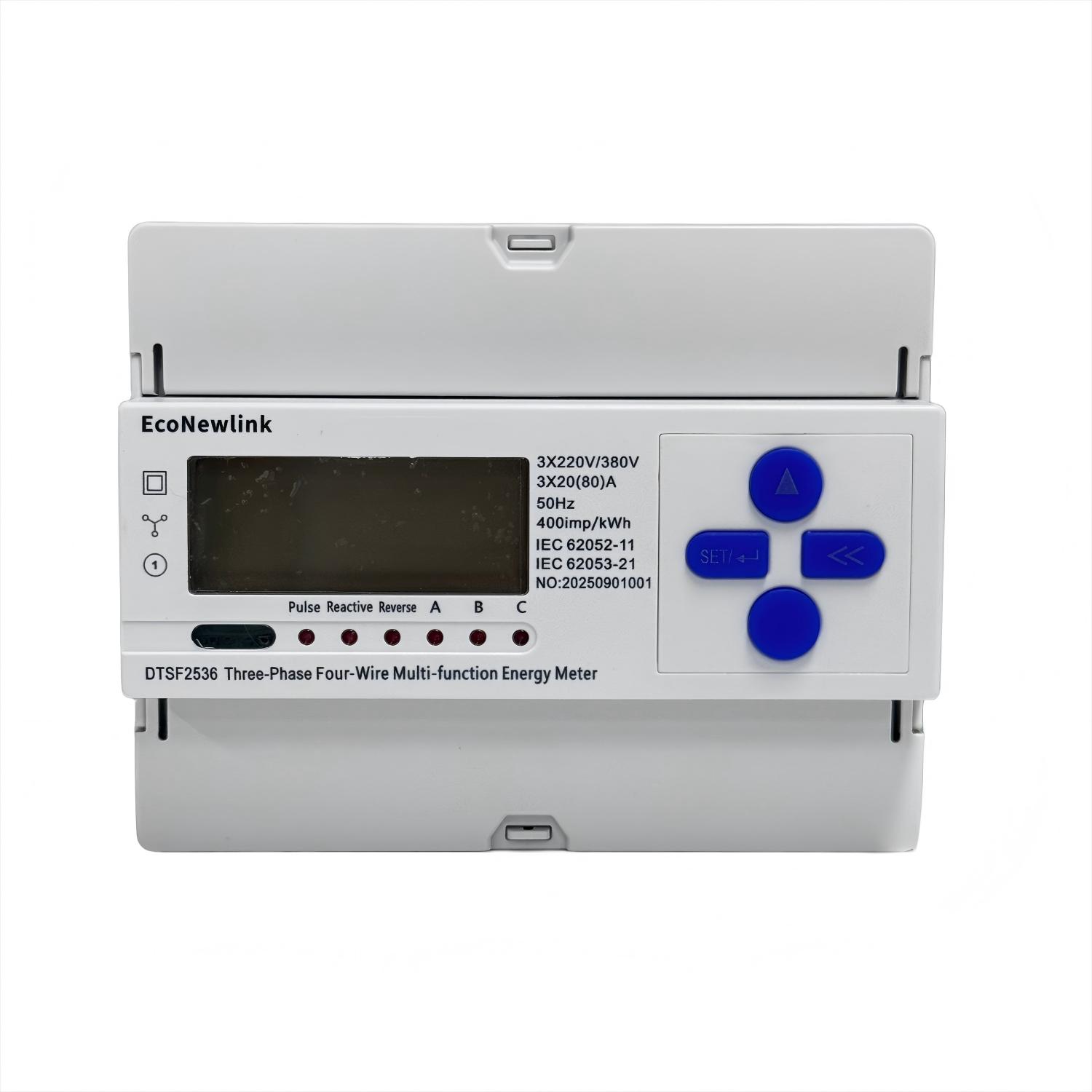
An anti-backflow energy meter (also called a zero export meter or export limiting meter) is a smart power meter used in solar photovoltaic (PV) systems to prevent excess electricity from being fed back into the grid.
Instead of allowing surplus solar energy to flow into the utility network, the meter communicates real-time power data to the inverter, which then adjusts its output dynamically to match on-site consumption.
- This solution is widely used in:
- Residential solar systems
- Commercial and rental properties
- Industrial facilities
- Regions with strict grid regulations (e.g., Southeast Asia, Middle East, Africa)
Why Do You Need an Anti-Backflow Meter?
In many countries, feeding electricity back to the grid is either:
- Not allowed, or
- Not compensated
Without proper control, excess solar generation can:
- Violate grid policies
- Cause penalties
- Waste unused energy
An anti-backflow meter ensures:
- Zero export to grid
- Maximum self-consumption
- Safe and compliant operation
How Does an Anti-Backflow Energy Meter Work?
The working principle is simple but critical.
- The meter measures real-time power flow between the grid and the load
- It detects whether energy is being imported or exported
- The meter sends this data to the inverter via RS485 (Modbus-RTU)
- The inverter adjusts output power to avoid exporting electricity
This creates a closed-loop control system:
- Load increases → inverter increases output
- Load decreases → inverter reduces output
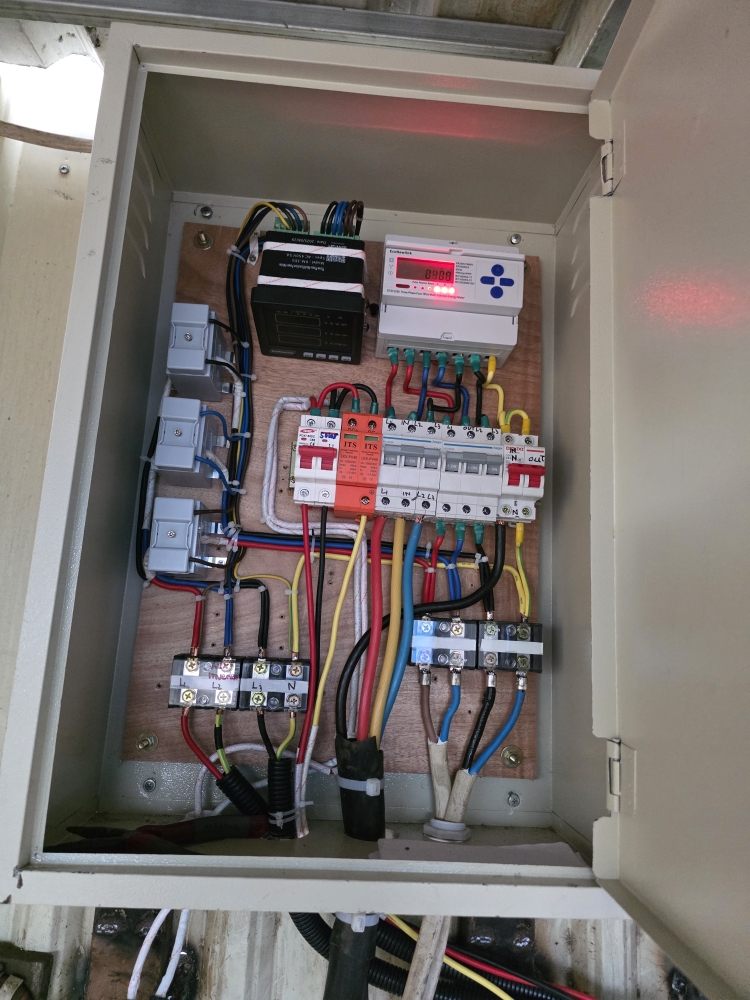
Typical Wiring in Solar System
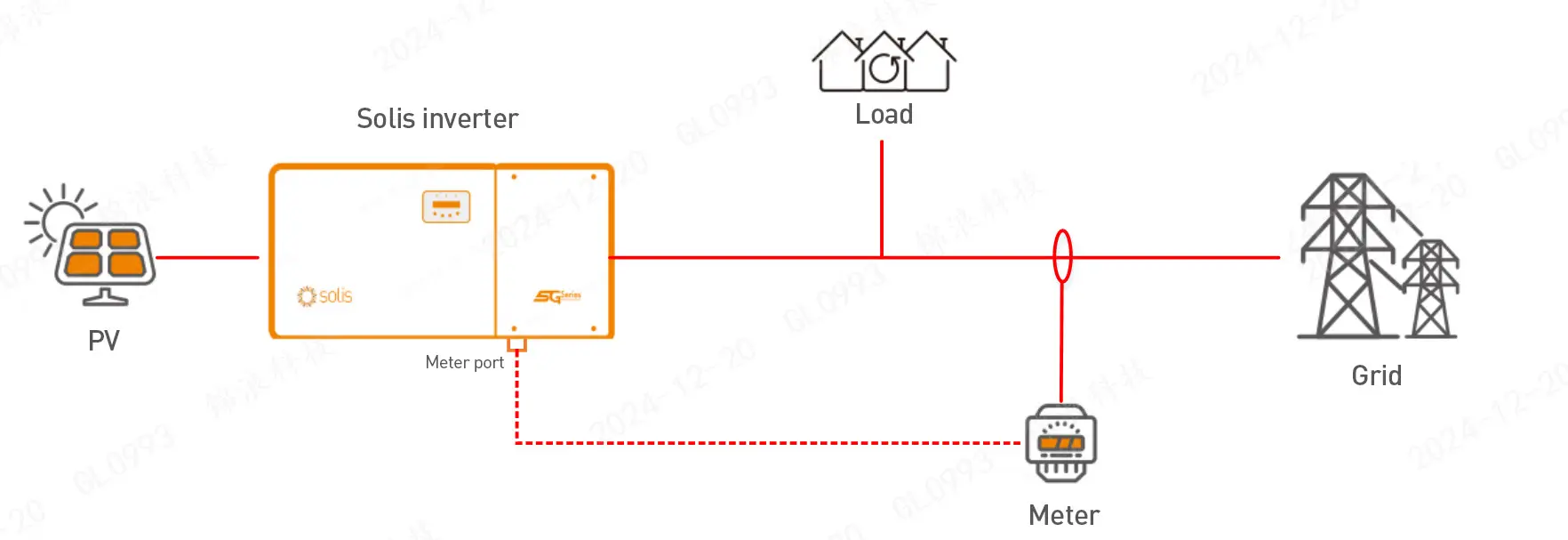
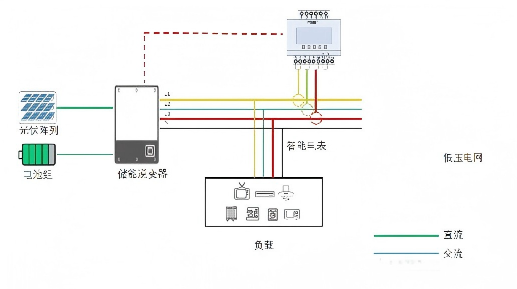
The most critical factor is meter installation position.
Correct installation:
- Installed at the main grid connection point
- Measures total import/export power of the entire system
Incorrect installation:
- Installed on a branch circuit
- Cannot reflect total energy flow
- Leads to poor energy-saving performance
Key Features of a High-Quality Anti-Backflow Meter
A reliable anti-backflow energy meter should include:
1. High Accuracy Measurement
Class 1 or higher accuracy ensures precise control of inverter output.
2. Bi-directional Energy Measurement
Measures both import and export energy in real time.
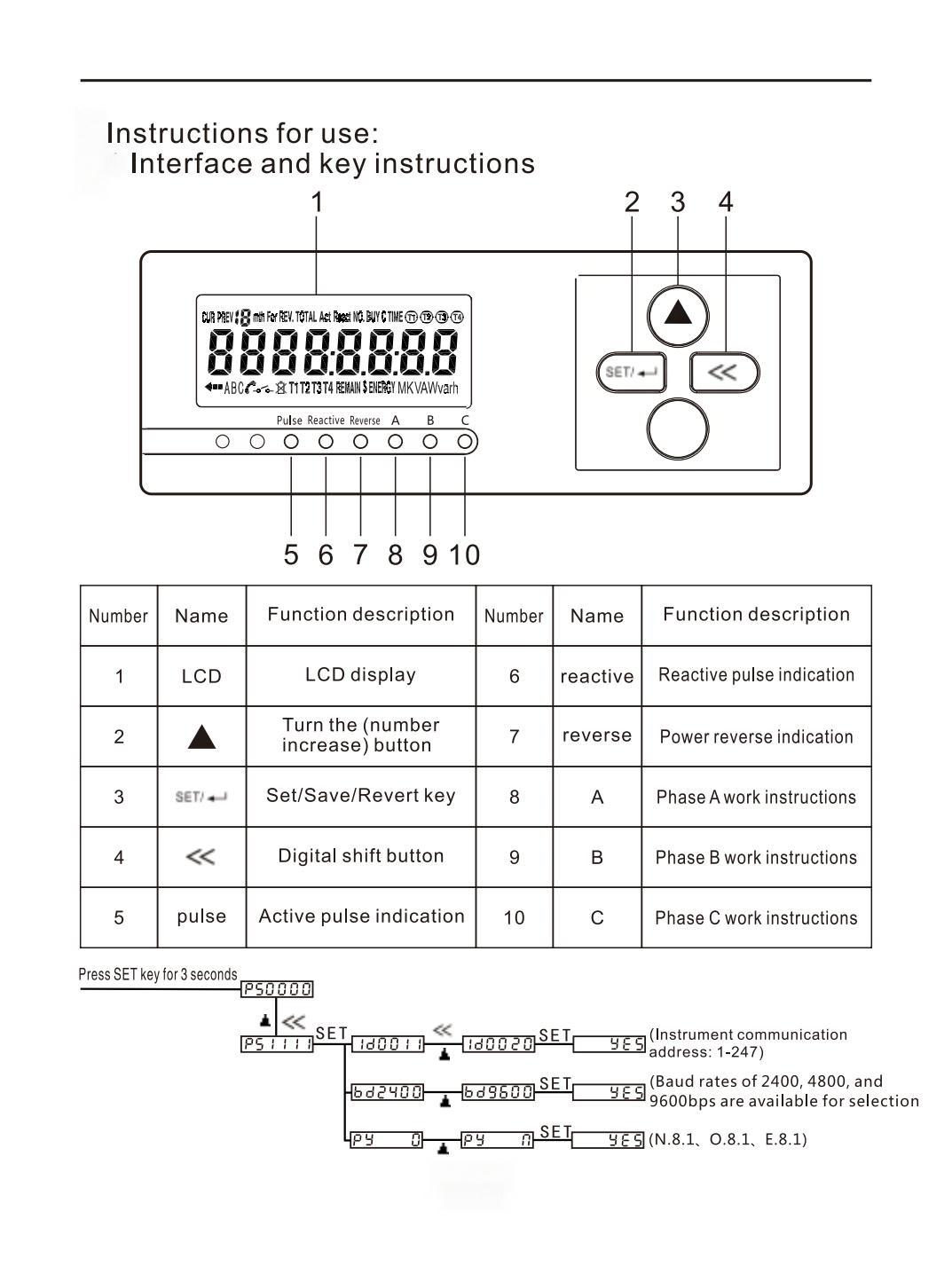
3. RS485 Communication (Modbus-RTU)
Enables stable communication with solar inverters.
4. Multi-function Monitoring
Voltage, current, power factor, frequency, active/reactive power.
5. Fast Response Speed
Ensures inverter reacts quickly to load changes.
6. Flexible Installation
Supports direct connection or CT (current transformer) connection.
Common Mistakes That Reduce Energy Savings
Many users install the system correctly but still see limited savings. Here are the most common reasons:
1. Wrong Meter Location
If the meter is not installed at the main grid point, the inverter receives incomplete data.
2. Incorrect CT Direction or Ratio
Wrong CT polarity or settings lead to reversed or inaccurate power readings.
3. Communication Failure
RS485 wiring issues, incorrect baud rate, or wrong address prevent proper control.
4. No Battery Storage
Without batteries, excess solar energy cannot be stored and is simply limited.
5. Low Daytime Load
If tenants consume power mainly at night, solar utilization is naturally low.
6. Unbalanced Three-Phase Load
In three-phase systems, uneven load distribution reduces efficiency.
How to Maximize Energy Savings
- To get the best performance from your system:
- Install the meter at the main incoming line
- Ensure correct CT orientation and ratio
- Match communication parameters with inverter
- Enable zero export mode in inverter settings
- Optimize daytime load usage
- Consider adding battery storage
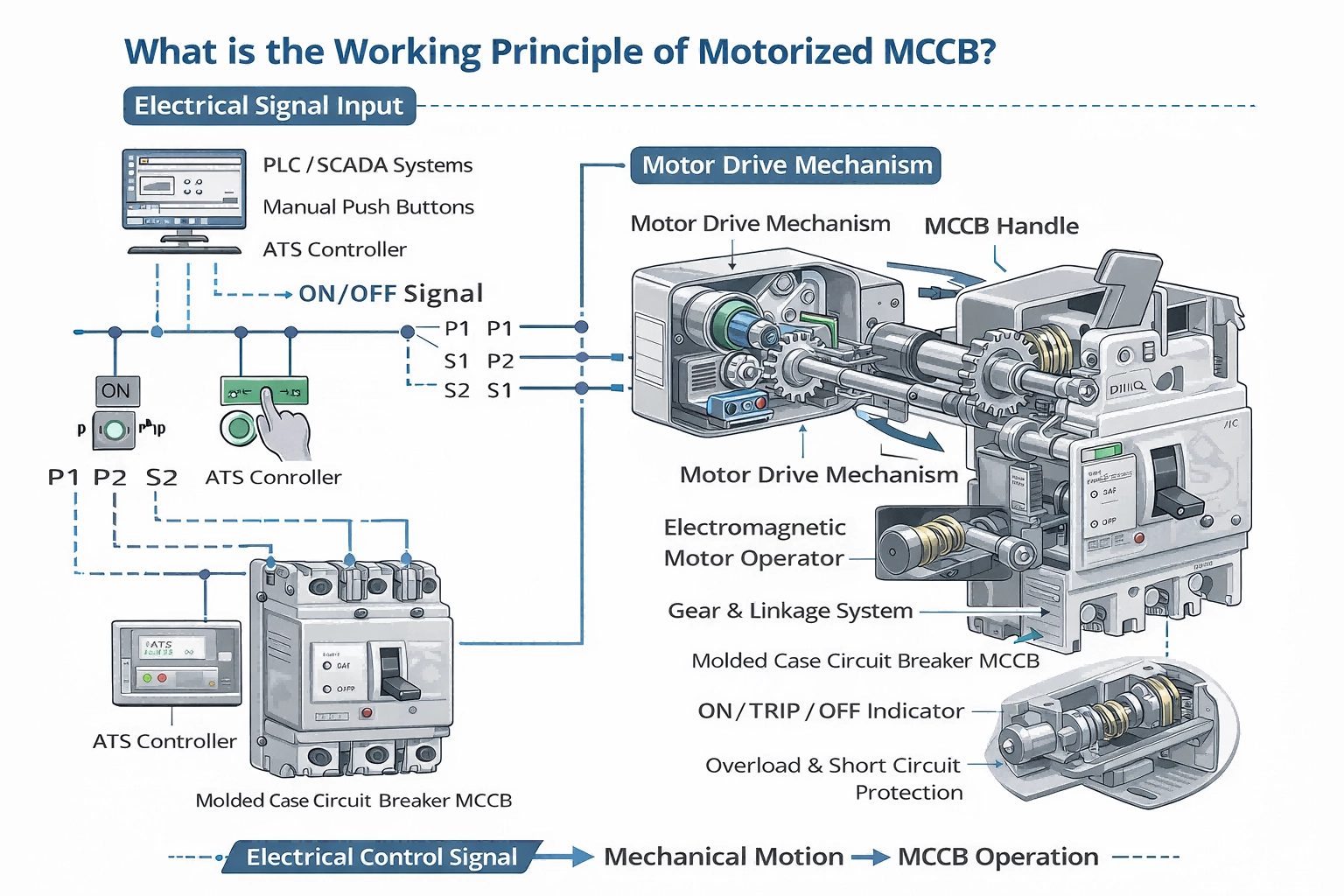
How to Use a Motorized MCCB Circuit Breaker for Remote Control and ATS Systems
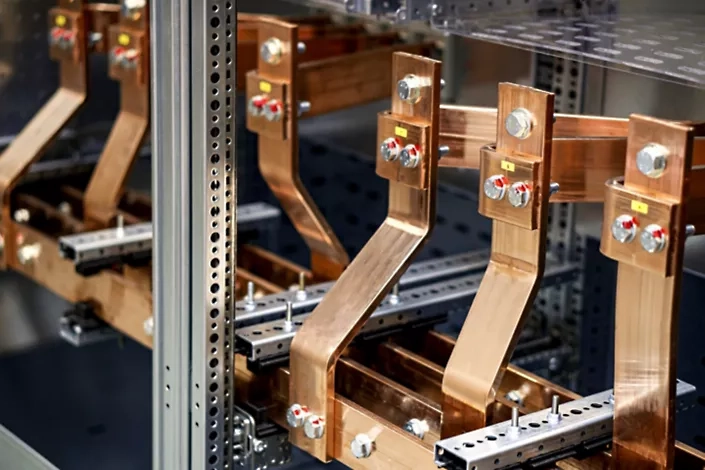
30-Day DIY Electrical Panel Cost-Saving Guide – Day 3

30-Day DIY Electrical Panel Cost-Saving Guide – Day 2
How to Build Your Own Electrical Panel and Save Up to 60% on Costs
NH series fuses
What standards and certifications can the product comply with?
Our fuses can comply with international low voltage protection standards and relevant certifications according to different market requirements.
Solar Controller with MPPT (Basic Model)
What happens if the system is installed incorrectly?
The controller features comprehensive electronic protection and self test functions to reduce the risk of damage caused by incorrect wiring or system faults.
NLDM1 Molded Case Circuit Breaker(MCCB)
What is a moulded case circuit breaker (MCCB)?
A moulded case circuit breaker is a low-voltage circuit breaker used to protect electrical circuits from overload and short circuit.
Service
Do you offer sustainable and environmentally friendly solutions?
Yes. With GRS-certified materials and energy-efficient product design, we support:
- Sustainable manufacturing
- Carbon reduction initiatives
- Eco-friendly product solutions
Helping customers align with global environmental policies and green energy trends.
LCD2 Series Motorized Operating MCCB
Can it operate manually if automation fails?
Yes, it includes AUTO / MANUAL dual-mode control.
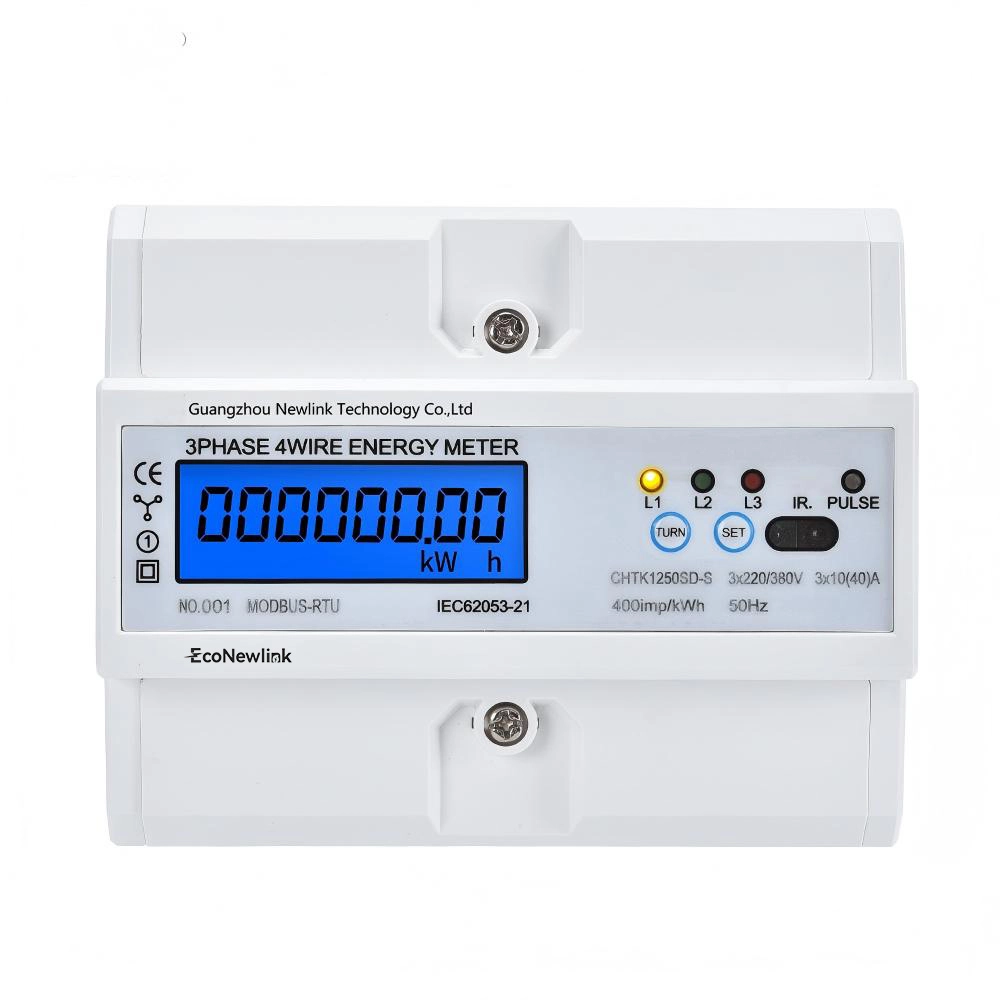
Three-Phase Four-Wire Multifunction Electronic DIN Rail Energy Meter Manufacturer with CE Certification
The Three-Phase Four-Wire Multifunction Electronic DIN Rail Energy Meter is a compact and high-accuracy smart meter designed for modern power monitoring systems. It features RS485 communication, pulse output, and a clear LCD display. With easy DIN rail installation and CE certification, it is ideal for industrial, commercial, and energy management applications.
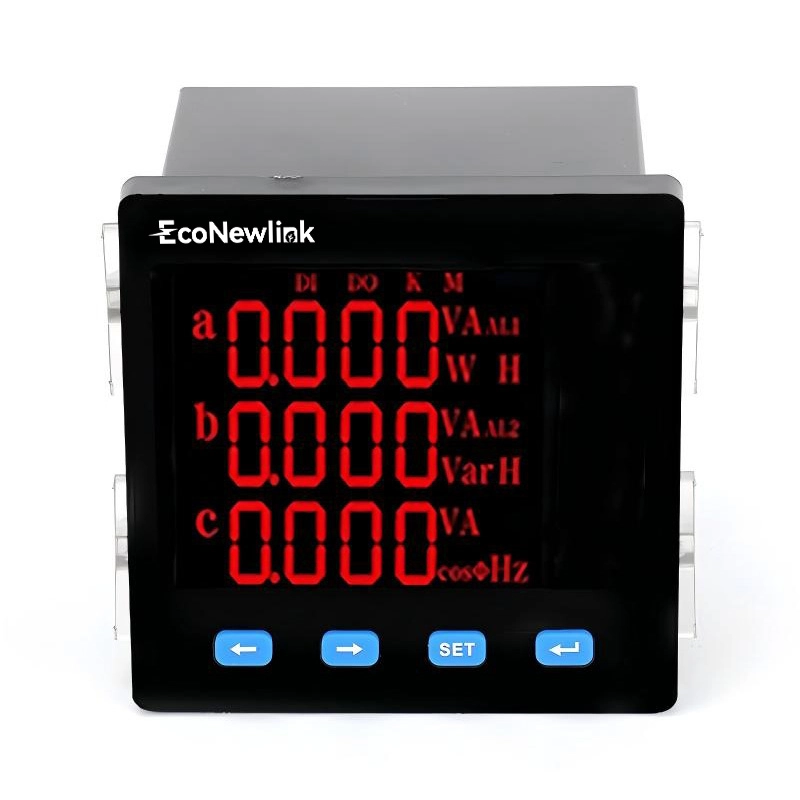
EcoNewlink 3 phase energy meter RS485 Modbus multifunctional power meter DIN rail kWh
The EcoNewlink Three-Phase Multifunctional Power Meter is engineered for complex industrial power distribution systems. Featuring a user-friendly interface, robust anti-interference performance, and reliable RS485 communication, it delivers real-time, high-accuracy energy data. Certified to CE, GRS, and RoHS standards, this meter is available for factory-direct bulk supply and deep OEM/ODM customization to ensure long-term system stability.
Request More Information or Subscribe for Updates
Thank you for reading our article!
If you would like more detailed information, have specific questions, or want to stay updated with the latest articles and guides, please fill out the form below.
Our team will get back to you with tailored information and resources.
Powering the Future with Smart, Safe Solutions
EcoNewlink delivers cutting-edge intelligent power products and solutions to ensure safety, efficiency, and reliability in your power distribution systems.
Contact
Email: nali@newlink.ltd
WhatsApp:
Address: No.76 Chuangyu road, Zengcheng District, Guangzhou, China

 WhatsApp
EcoNewlink
EcoNewlink