





how does a source factory ensure a 0.01% failure rate in bulk power distribution equipment orders? | Insights by EcoNewlink
- 1) How can a factory statistically prove a 0.01% (100 ppm) failure rate across multi-line production runs for low-voltage switchgear and panelboards?
- 2) What incoming inspection and supplier qualification steps guarantee electronic and electromechanical components meet a 0.01% defect target?
- 3) How are accelerated life tests, burn-in, HALT/HASS designed to predict and reduce field failures to 0.01% for transformers, breakers and control electronics?
- 4) How do factories implement process controls—SPC, poka-yoke, automated assembly—to maintain 0.01% defect levels in high-volume assembly lines?
- 5) How is traceability, serialization and field recall capability managed so a single component issue doesn’t push overall failure rates above 0.01%?
- 6) How do source factories balance the cost and lead-time impacts of measures required to guarantee 0.01% failure rates on bulk orders?
- Concluding summary: Advantages of partnering with a source factory that delivers 0.01% failure-rate discipline
How a Source Factory Ensures a 0.01% Failure Rate in Bulk Power Distribution Equipment Orders
Achieving a 0.01% failure rate (100 ppm) in bulk power distribution equipment—switchgear, panelboards, transformers and breakers—requires a combined program of standards-driven design, supplier control, process capability, rigorous testing and full-traceability. Below are six specific, pain-point-oriented questions frequently asked by purchasers and engineers that lack deep, practical answers online, followed by detailed, actionable responses referencing industry practice and standards (IEC/ISO/IPC). Embedded throughout are concepts like statistical process control, incoming component inspection, burn-in testing, AOI/X-ray, and traceability.
1) How can a factory statistically prove a 0.01% (100 ppm) failure rate across multi-line production runs for low-voltage switchgear and panelboards?
Why this is a pain point: Customers want contractual guarantees, but proving extremely low defect rates across many production lines is non-trivial from a statistical standpoint.
Key facts and steps:
- 0.01% = 100 parts per million (PPM). To claim this level reliably you must pair production controls with statistical evidence.
- Sampling math: if you inspect n units and find zero defects, the 95% upper confidence bound for true defect rate ≈ 3/n (Poisson approximation). To demonstrate with 95% confidence that the defect rate is below 0.01% you need around n ≥ 30,000 consecutive defect-free units (3 / 0.0001 ≈ 30,000). This demonstrates why 100% testing or long-term continuous monitoring is common for mission-critical power distribution equipment.
- Statistical Process Control (SPC): Implement SPC on key process parameters (torque, solder temperature, crimp force, rivet depth, contact resistance, coating thickness). Use control charts (X̄-R, I-MR) and real-time alerts when Cpk drops below target (typical target Cpk ≥ 1.67 for critical features aiming sub-100 ppm).
- Continuous audit & capability: Regular process capability studies, MSA (measurement system analysis) to ensure test equipment and inspectors are accurate, and external audits (ISO 9001, IEC 61439 compliance for LV assemblies) give customers objective evidence.
Practical recommendation: For contractual proof, combine 100% functional tests of each unit (functional test bench, hipot/insulation, contact resistance) with SPC metrics and routine third-party inspection reports. Expect the statistical burden—proving 100 ppm by sampling alone is extremely costly; continuous inline test coverage plus long-term quality metrics are how factories substantiate claims.
2) What incoming inspection and supplier qualification steps guarantee electronic and electromechanical components meet a 0.01% defect target?
Why this is a pain point: Component defects drive the majority of latent failures. Buyers often underestimate the depth of supplier control required to reach 100 ppm.
Core elements of a supplier quality program:
- Supplier segmentation & qualification: Classify suppliers (critical, major, minor). For critical components—PCBs, power semiconductors, control PCBs, breakers, CTs—apply strict qualification (PPAP-style submission, first article inspection (FAI), capability evidence, on-site audits). Automotive/industrial practices like PPAP and IATF 16949 principles are often adapted for power equipment.
- Incoming inspection: ISO 2859/AQL is acceptable for non-critical parts, but for components affecting safety and reliability use 100% inspection or statistical sampling at very tight AQLs. Use automated incoming inspection equipment—AOI for PCBs, X-ray for BGA or layered assemblies, automated optical inspection for mechanical parts, and destructive testing on sample lots.
- Material certifications & traceability: Require material test reports (MTRs), RoHS/REACH declarations, UL/CE certificates where applicable, and lot-level traceability with barcodes/UID.
- Supplier scorecards & corrective action: Maintain supplier PPAs (process performance agreements) that include PPM targets, on-time delivery, and corrective action timelines. Escalate to second-source or quarantine supplier when defect rates exceed thresholds.
Standards referenced: supplier audits to ISO 9001, material verification to UL/IEC standards (eg IEC 61439 for assemblies), and incoming test labs to ISO/IEC 17025 for calibrated test equipment.
3) How are accelerated life tests, burn-in, HALT/HASS designed to predict and reduce field failures to 0.01% for transformers, breakers and control electronics?
Why this is a pain point: Buyers want assurance that devices survive years in the field, but test programs vary widely in duration and intensity.
Designing an effective reliability test program:
- Failure physics-first approach: Identify dominant failure mechanisms (insulation degradation, thermal cycling, dielectric breakdown, contact wear, corrosion) and design accelerated tests to stress those mechanisms (elevated temperature/humidity, thermal cycling, vibration, salt spray where relevant).
- Common accelerated tests used by source factories:
- Temperature-humidity-bias and thermal cycling (per IEC 60068 series)
- Burn-in for electronics and control boards (customized duration—commonly 48–168 hours depending on complexity—to precipitate early infant mortality failures)
- HALT/HASS for design validation and production screening when appropriate
- Partial discharge testing for switchgear and transformers (IEC 60270) and hipot/dielectric tests per IEC 60076/IEC 60947
- Mechanical endurance cycling for breakers/switches per IEC 60947/IEC 62271 operational cycles
- Correlation & acceleration factors: Labs must establish acceleration factors from field-return root cause data or published Arrhenius/Weibull models to convert accelerated test hours to expected field life. Without correlation, burn-in may reduce infant mortality but won’t guarantee long-term PPM levels.
- Screening vs. qualification: Burn-in and HASS are production screening tools to remove early failures; qualification tests (type tests to IEC/UL) validate design robustness. Both are needed to approach 0.01% field failure.
Practical tip: Work with suppliers who maintain reliability labs and can demonstrate test-to-failure data and acceleration correlation. For high-reliability orders, insist on documented test plans and post-test Weibull analysis.
4) How do factories implement process controls—SPC, poka-yoke, automated assembly—to maintain 0.01% defect levels in high-volume assembly lines?
Why this is a pain point: Human assembly steps introduce variability that is hard to control across large runs.
Best practices that materially reduce defects:
- Automation and robotics: Automate high-variance steps (crimping, soldering, torque application, connector insertion) and use torque-controlled tools with digital records for every operation.
- Poka-yoke and fixture design: Use jigs and mechanical interlocks that prevent incorrect assembly orientations, and sensors to verify presence/absence of critical parts before closing assemblies.
- Inline automated inspection: Combine AOI, 3D solder paste inspection, X-ray, automated contact-resistance measurement, and end-of-line functional testers to detect defects immediately.
- Process capability targets: Monitor Cpk for critical attributes (contact resistance, insulation thickness, torque). For targets near 100 ppm, aim for Cpk well above 1.33—often 1.67+ for critical features. Use designed experiments (DOE) to tighten process windows and reduce variation.
- Real-time data & MES integration: Manufacturing Execution Systems (MES) track each unit’s build record, test results, and operator input. Real-time dashboards enable immediate containment if trends indicate drift toward defects.
Measurement integrity: Verify measurement devices via MSA and calibrate per ISO/IEC 17025. If your factory relies on human visual inspection, augment with AI-assisted vision systems to reduce missed defects.
5) How is traceability, serialization and field recall capability managed so a single component issue doesn’t push overall failure rates above 0.01%?
Why this is a pain point: One bad lot of components can create a spike in returns. Rapid containment and precise recalls are essential to protect the overall PPM target.
Key traceability and recall practices:
- Lot and serial-level traceability: Assign lot numbers and, where critical, unique serial numbers or UID barcodes (GS1 or custom). Capture component lot IDs, build station IDs, operator, firmware version and test results in an MES/ERP system.
- Digital records & audit trail: Store the full Build of Materials (BOM), test logs, AOI/X-ray images and environmental test results per unit or lot to enable rapid root-cause analysis. This supports targeted recalls rather than broad withdrawals.
- Containment and quarantine: When a defect is discovered, use trace data to quarantine only impacted lots. This minimizes customer disruption and helps keep aggregate failure rate low across deliveries.
- After-sales monitoring & feedback loop: Field-return analysis, warranty dashboards, and trend detection (e.g., sudden increase above baseline PPM) trigger immediate supplier corrective actions and retrofits if needed.
Standards and tools: Many OEMs adopt traceability practices aligned to IEC 61439, UL508A documentation expectations, and use barcode/UID standards (GS1) plus tamper-evident labeling for high-value components.
6) How do source factories balance the cost and lead-time impacts of measures required to guarantee 0.01% failure rates on bulk orders?
Why this is a pain point: Buyers want low cost and fast delivery but rigorous testing, 100% functional checks, and supplier controls add price and time.
Trade-offs and pragmatic approaches:
- Risk-based approach: Apply the highest level of inspection and testing to critical components and assemblies that would cause the most severe field consequences. Less critical items can use standard AQL sampling to reduce cost.
- Design for manufacturability and testability (DFM/DFT): Upfront engineering investment reduces downstream inspection and rework. For example, design PCB layouts to be AOI/ICT-friendly and modularize assemblies to reduce complex on-site assembly steps.
- Batching and parallelization: Use parallel test benches and automated test rigs to keep throughput while applying 100% functional tests. This reduces lead-time impact compared with serial manual testing.
- Cost of poor quality vs inspection cost: Calculate the true cost of field failures (warranty, downtime penalties, reputational damage) and compare to inspection/test costs. For high-stakes installations (data centers, utilities), increased up-front testing is often cheaper than a single catastrophic field failure.
- Contract terms: For bulk orders, negotiate staged deliveries, pilot lots (FAI) and quality gates to spread testing costs and prove capability before full-volume production.
Bottom line: A hybrid approach—critical items 100% tested and serialized, non-critical items statistically sampled—achieves near-0.01% overall field failure while keeping costs and lead times manageable.
Concluding summary: Advantages of partnering with a source factory that delivers 0.01% failure-rate discipline
Partnering with a qualified source factory that combines standards-based design and type testing (IEC 61439, IEC 60947/62271, IEC 60068), rigorous supplier qualification and incoming inspection, SPC and high process capability (Cpk), automated inline inspection (AOI, X-ray, ICT), calibrated test labs (ISO/IEC 17025) and robust traceability enables customers to achieve near 0.01% failure rates in bulk power distribution equipment. Advantages include reduced field downtime, lower warranty costs, predictable supply chains and demonstrable evidence for compliance and procurement audits.
For technical procurement, insist on documented capability studies, third-party test reports, continuous SPC dashboards and clearly defined corrective action timelines. If you need a quotation or a capability package for bulk orders, contact us for a quote at www.econewlink.com or email nali@newlink.ltd.
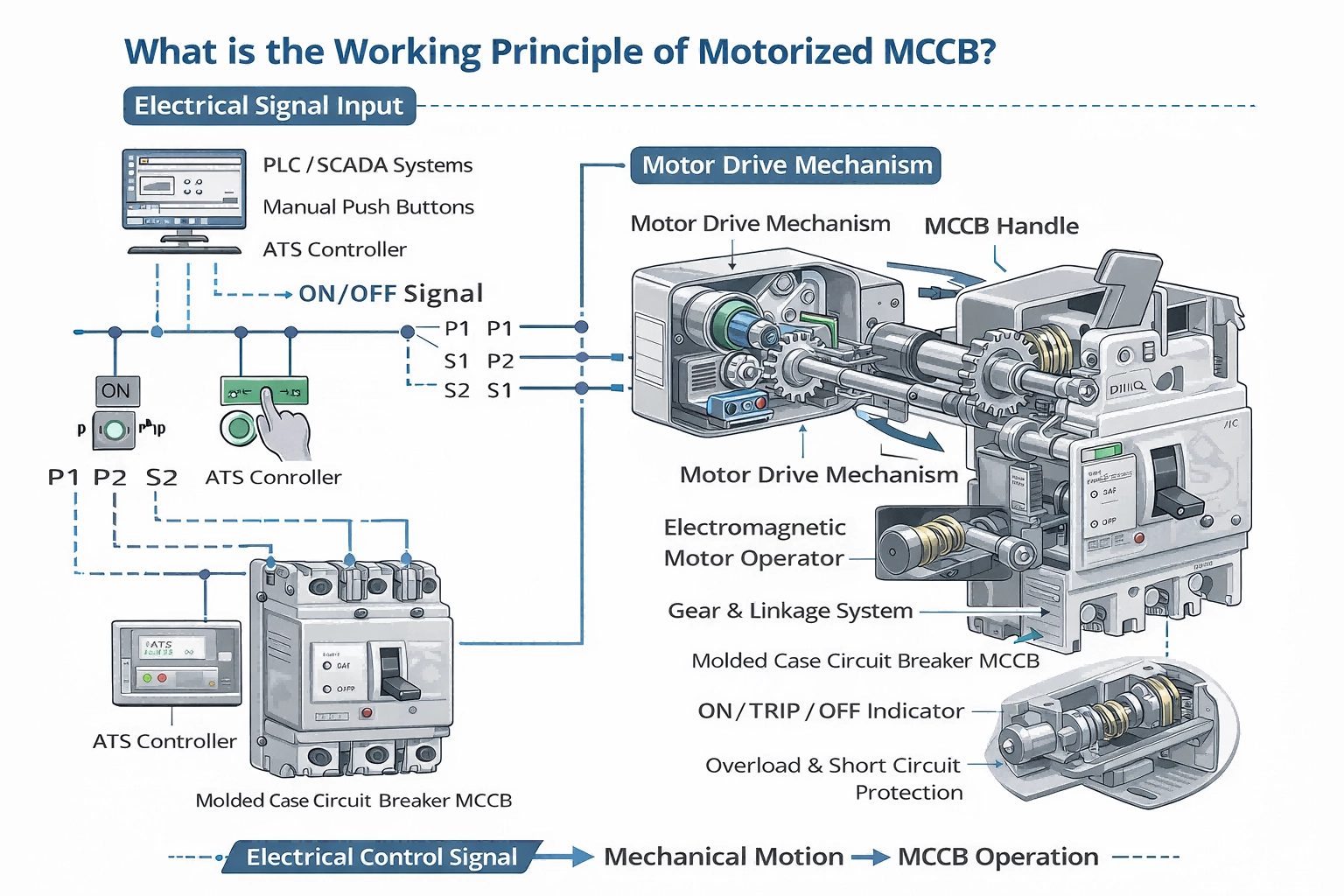
How to Use a Motorized MCCB Circuit Breaker for Remote Control and ATS Systems

30-Day DIY Electrical Panel Cost-Saving Guide – Day 3

30-Day DIY Electrical Panel Cost-Saving Guide – Day 2

How to Build Your Own Electrical Panel and Save Up to 60% on Costs
Three Phase anti backflow energy meter
What is the main function of this meter
It measures real-time power flow and works with the inverter to prevent electricity from feeding back into the grid.
Does this meter save electricity directly?
No it helps optimize solar usage but does not generate extra power.
3P NLCD2 Series Motorized Operating MCCB
Is it suitable for harsh environments?
Yes, it operates from -5°C to +40°C with humidity up to 90%.
Is this MCCB motorized breaker automatic?
It supports remote ON/OFF control but requires external ATS or controller for automatic switching.
LCD2 Series Motorized Operating MCCB
Does it support intelligent control systems?
Yes, suitable for smart power, automation, remote IO and IoT applications.
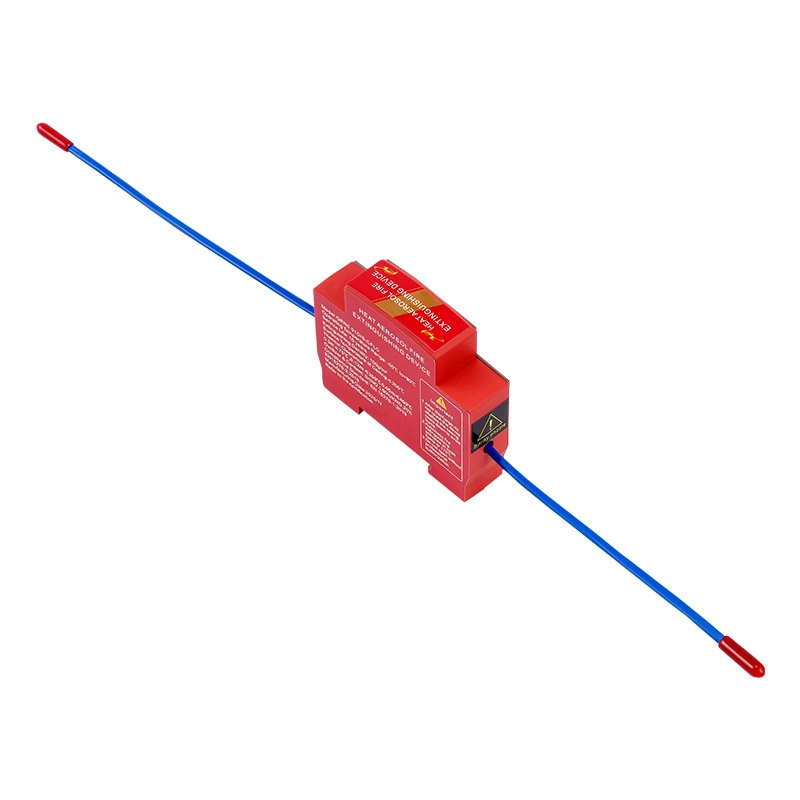
Distribution cabinet fire protection fire-fighting
Heat Aerosol FireExtinguishing Device
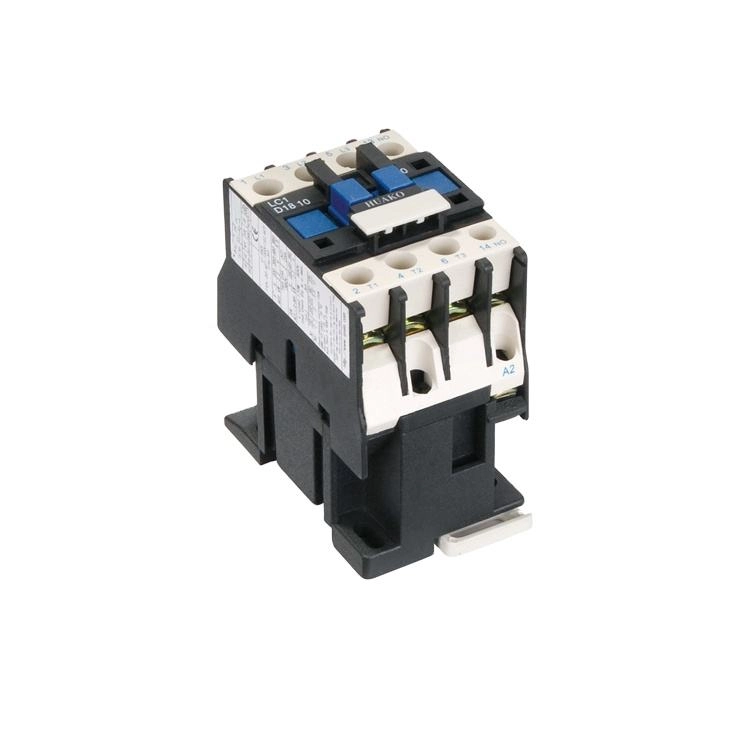
LC1 (CJX2) 220V Single Pole 2 Pole 3P 4 Pole Electrical Contactor Magnetic AC DP Definite Purpose Contactor
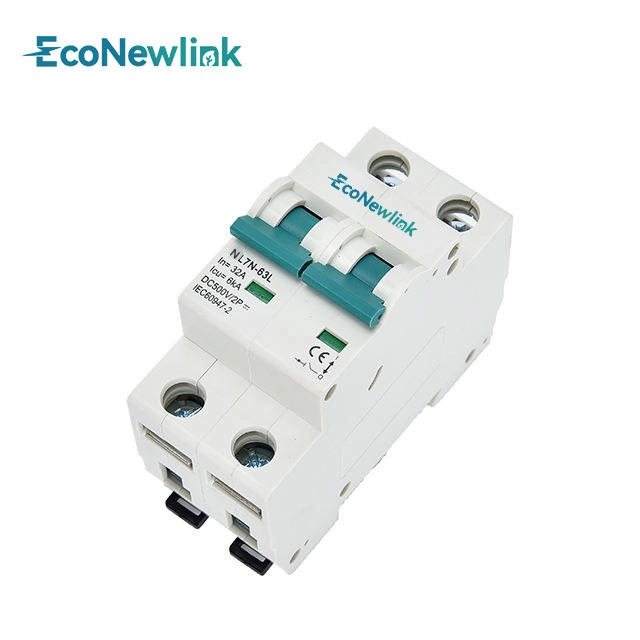
Breaking Capacity Dual Power Manual Transfer Isolating Switch Interlock MCB
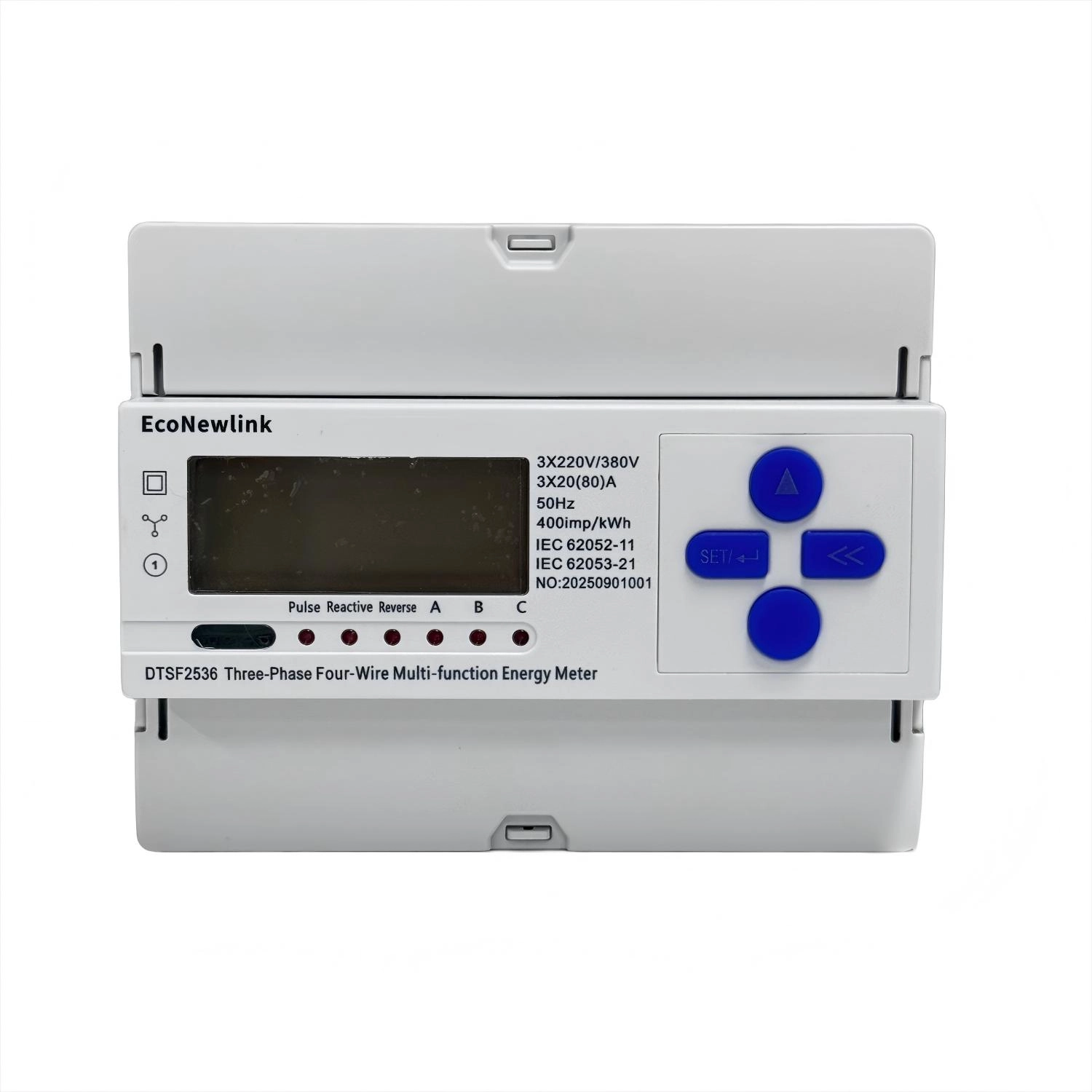
EcoNewlink Three Phase anti backflow energy meter RS485 Modbus DINRail Zero Export for PV Inverter
This three-phase anti-backflow energy meter is designed for solar PV systems to prevent excess electricity from feeding back into the grid. With RS485 Modbus communication, it provides real-time data to the inverter for dynamic power control, helping maximize self-consumption and ensure compliance with grid regulations. Ideal for residential, commercial, and rental energy management systems.
Request More Information or Subscribe for Updates
Thank you for reading our article!
If you would like more detailed information, have specific questions, or want to stay updated with the latest articles and guides, please fill out the form below.
Our team will get back to you with tailored information and resources.
Powering the Future with Smart, Safe Solutions
EcoNewlink delivers cutting-edge intelligent power products and solutions to ensure safety, efficiency, and reliability in your power distribution systems.
Contact
Email: nali@newlink.ltd
WhatsApp:
Address: No.76 Chuangyu road, Zengcheng District, Guangzhou, China

 WhatsApp
EcoNewlink
EcoNewlink