





How to choose molded case circuit breakers (mccb) for high- | Insights by EcoNewlink
- 1) How do I pick an MCCB when the available short‑circuit current at my bus is very high (e.g., ≥ 50 kA) but supplier datasheets omit precise breaking capacities?
- 2) For high continuous loads (e.g., >500 A) and warm plant environments, how should I size the MCCB frame and set the trip unit?
- 3) How can I guarantee selective coordination between upstream and downstream MCCBs in a high‑power distribution system to avoid site‑wide outages?
- 4) What is the best MCCB and trip configuration to handle large motor inrush currents (e.g., large compressors, conveyors) without compromising short‑circuit protection?
- 5) How do I verify MCCB performance and derating for installations at high altitude or elevated ambient temperatures in industrial plants?
- 6) For heavy‑duty manufacturing (24/7 operations), how do I select MCCBs with adequate mechanical and electrical endurance and plan maintenance intervals?
- Concluding summary
How to Choose Molded Case Circuit Breakers (MCCB) for High‑Power Applications
As an electrical components manufacturing expert and professional content writer with deep SEO and industry experience, this article answers the six most pressing, under-addressed questions beginners and procurement engineers face when selecting MCCBs for high‑current and heavy‑duty installations. The guidance below references widely accepted standards (UL 489, IEC 60947‑2) and industry practice and embeds key terms such as breaking capacity, frame rating, trip unit, I²t, selectivity, derating, thermal‑magnetic and electronic trip.
1) How do I pick an MCCB when the available short‑circuit current at my bus is very high (e.g., ≥ 50 kA) but supplier datasheets omit precise breaking capacities?
Pain point: utilities or older drawings sometimes lack a reliable prospective fault current calculation; suppliers occasionally publish only limited interrupting ratings, leaving selection risky.
Actionable steps:
- Obtain a prospective short‑circuit current (PSC) calculation: request a stamped PSC from the utility or ask your electrical engineer to run a short‑circuit study using thevenin/source impedance modeling. PSC is derived from the source voltage and equivalent source impedance (PSC ≈ Vth / Zth for the system reference—use an electrical study tool for accurate three‑phase values).
- Choose a breaking capacity that exceeds the PSC by an engineering margin (typical practice: select the next standard interrupting rating above the PSC). For example, if PSC = 45 kA, choose a breaker rated for 50 kA or 65 kA depending on available ratings from trusted manufacturers.
- Prefer MCCBs that list both rated short‑circuit breaking capacity (Icu per IEC or Interrupting Rating per UL) and rated service short‑circuit making capacity where available. Manufacturers commonly publish ratings from ~10 kA up to ~150 kA for large frames—select products from brands that publish full performance curves.
- If supplier datasheets are incomplete, request manufacturer-certified test reports (UL 489 or IEC 60947‑2 test certificates) showing performance at the target KA level.
- Where PSC values exceed MCCB capability, migrate to a molded case power circuit breaker or install upstream current‑limiting devices (fuses or current‑limiting breakers) to reduce let‑through energy to the MCCB’s withstand level.
Why this matters: undersized breaking capacity risks catastrophic failure, arcing and equipment damage. Always cross‑check PSC, device Icu/Ics (IEC) or Interrupting Rating (UL), and manufacturer test certificates.
2) For high continuous loads (e.g., >500 A) and warm plant environments, how should I size the MCCB frame and set the trip unit?
Pain point: continuous loads plus elevated ambient temps cause nuisance trips or thermal overstress if sizing and derating are ignored.
Detailed steps and considerations:
- Define continuous vs intermittent load: continuous loads typically mean currents expected for 3+ hours. Many thermal trip units are temperature referenced (often 30°C). If your application is continuous, target an MCCB with either a continuous rating that accommodates the load or size the breaker and conductor per local code (e.g., account for 125% conductor sizing for continuous loads where applicable).
- Choose frame rating: select an MCCB frame with a rated thermal current (In) greater than your maximum continuous load plus margin. Common large MCCB frame ranges cover 100 A to 3200 A; pick the frame where the continuous load occupies 60–80% of the thermal rating unless the breaker is explicitly rated for 100% continuous duty (check manufacturer marking).
- Use adjustable long‑time (L‑time) pickup/long‑time delay settings on electronic trip units to tune for continuous loading while preserving protection. Set long‑time pickup above normal maximum load but below thermal capability limits, and adjust long‑time delay to allow normal fluctuations.
- Apply ambient temperature derating: many breakers have published derating curves. If ambient > reference (often 30°C), follow manufacturer derating factors or install forced ventilation/air conditioning. Electronic trip units frequently provide temperature compensation; thermal‑magnetic units do not, so check datasheets.
- Verify busbar, enclosure and cable thermal ratings to ensure the entire distribution chain supports continuous current without overheating.
Result: correct frame sizing with properly configured trip settings avoids nuisance trips while maintaining overload protection and compliance with local codes.
3) How can I guarantee selective coordination between upstream and downstream MCCBs in a high‑power distribution system to avoid site‑wide outages?
Pain point: in production environments, nuisance upstream tripping halts entire operations; achieving time/current selectivity is complex for high fault currents.
Procedure to establish selective coordination:
- Collect time‑current curves (TCCs) and manufacturer coordination guides for all upstream and downstream protective devices (MCCBs, molded-case fuses, power breakers). Use actual trip curves rather than nominal ampere ratings.
- Perform a coordination study: overlay the TCCs to ensure the downstream device clears the fault before upstream devices reach their trip region. For high fault currents, incorporate short‑time and instantaneous settings and make selective use of these.
- Employ graded trip settings: use adjustable long‑time, short‑time and instantaneous settings on electronic trip units. For example, set instantaneous pickup on downstream breakers high enough to withstand inrush but low enough that an upstream breaker’s instantaneous or short‑time setting does not operate for faults in the downstream zone.
- Where full selective coordination is impossible at peak fault currents, use current‑limiting fuses or fast current limiting breakers on the lowest level. These devices reduce let‑through energy and help maintain selectivity at high PSC values.
- Document and validate the coordination with an engineering report. Re‑validate after any system change (transformer upgrade, new generator, re‑routing of feeders).
Note: for life‑safety and critical loads, consider redundant feeders or transfer schemes in addition to coordination to reduce outage risk.
4) What is the best MCCB and trip configuration to handle large motor inrush currents (e.g., large compressors, conveyors) without compromising short‑circuit protection?
Pain point: motors generate starting currents several times full load; fixed instantaneous pickups trip during start if not configured properly.
Best practices:
- Use motor‑rated MCCBs or electronic trip units with motor protection features. Electronic trip units allow adjustable long‑time pickup (% of In), long‑time delay, short‑time, and instantaneous settings as well as motor thermal memory and overload protection tuned to motor FLA and service factor.
- Estimate motor starting/inrush multiples: typical across‑the‑line starts can be 5–8× locked rotor current; direct‑online start values vary by motor size and load. Use motor manufacturer data for locked rotor current (LRA) and locked rotor torque.
- Set instantaneous pickup above the inrush peak if protection strategy allows; otherwise use a short‑time delay with appropriate short‑time pickup to let the inrush pass. Use ground fault protection settings separately where required to avoid masking ground faults during starting.
- Consider soft starters or VFDs for large motors: they limit inrush and reduce mechanical stress, allowing tighter coordination and smaller switchgear components.
- Validate using starting duty cycles and thermal capacity checks; ensure MCCB long‑time elements protect against locked‑rotor heating over repeated starts.
Balancing motor starting tolerance and short‑circuit protection requires inspecting I²t let‑through, using motor‑rated trip curves, and—when necessary—adding upstream current limiting.
5) How do I verify MCCB performance and derating for installations at high altitude or elevated ambient temperatures in industrial plants?
Pain point: altitude and high ambient temps reduce cooling and dielectric performance; typical datasheets may not state corrections explicitly.
Verification checklist:
- Check manufacturer derating charts: leading manufacturers publish correction factors for ambient temperature and altitude. If the datasheet lacks explicit data, request manufacturer technical confirmation.
- Altitude effects: insulating medium and cooling are degraded at altitude. For installations significantly above sea level, apply manufacturer/standards correction factors. If documentation is absent, consult IEC 60947‑2 guidance and request certified confirmation from the breaker maker. Some breakers require derating or additional testing above certain altitudes.
- Ambient temperature: many trip units are referenced to 30°C. For higher temperatures, follow published derating curves for continuous current or use electronic trip units with temperature compensation.
- Environmental protection: for harsh atmospheres (dust, corrosive gases), use enclosures with higher IP/IK ratings and check for conformal coating or stainless components. Confirm ingress protection and insulation class for required conditions.
- Perform factory acceptance tests (FAT) or witness test of the selected MCCBs under expected environmental conditions when possible.
Bottom line: never assume standard ratings at altitude or extreme ambient temperatures—get manufacturer‑backed derating tables or choose devices explicitly rated for the environment.
6) For heavy‑duty manufacturing (24/7 operations), how do I select MCCBs with adequate mechanical and electrical endurance and plan maintenance intervals?
Pain point: industrial lines need breakers that survive frequent switching, high fault events and provide predictable maintenance windows.
Selection and maintenance guidelines:
- Specify mechanical and electrical endurance in procurement: ask manufacturers for rated mechanical operations (e.g., thousands of operations) and electrical endurance under specified load/short‑circuit conditions. Do not accept vague “industrial duty” descriptors; demand numbers or certified test reports.
- Ask for maintenance intervals and recommended service procedures. Manufacturers typically provide inspection cycles (visual, contact resistance, trip unit calibration) and recommend replacing or overhauling breakers after a certain number of fault operations or mechanical cycles.
- Use remote trip monitoring and metering options available with many electronic trip units: logged trips, event records and meter values simplify predictive maintenance and help reduce downtime.
- Inventory critical spare parts: at minimum keep a spare trip unit, spare MCCB or a plug‑in drawout assembly depending on gear type. For 24/7 plants, quick swap reduces outage time dramatically.
- Establish test protocols: periodically test trip functions (long‑time, short‑time, instantaneous, ground fault) using secondary injection testing or manufacturer tools. Track I²t exposure after major faults to determine residual life.
Outcome: specifying endurance values, planning preventive maintenance and keeping spares minimizes unexpected downtime and extends safe operation of MCCB fleets.
Concluding summary
Correctly selecting MCCBs for high‑current, high‑fault and heavy‑duty industrial applications delivers clear advantages: improved personnel and equipment safety, predictable selective coordination (minimizing plant‑wide outages), lower arc‑flash incident energy through better let‑through control, and reduced maintenance costs via appropriate endurance specification and monitoring. Apply rigorous PSC verification, choose suitable breaking capacity, match frame rating and trip unit to continuous and inrush loads, and insist on manufacturer test certificates and derating data for altitude/temperature conditions.
For procurement or design quotes and manufacturer‑grade MCCBs tailored to high‑power applications, contact us for a quote at www.econewlink.com or email nali@newlink.ltd.
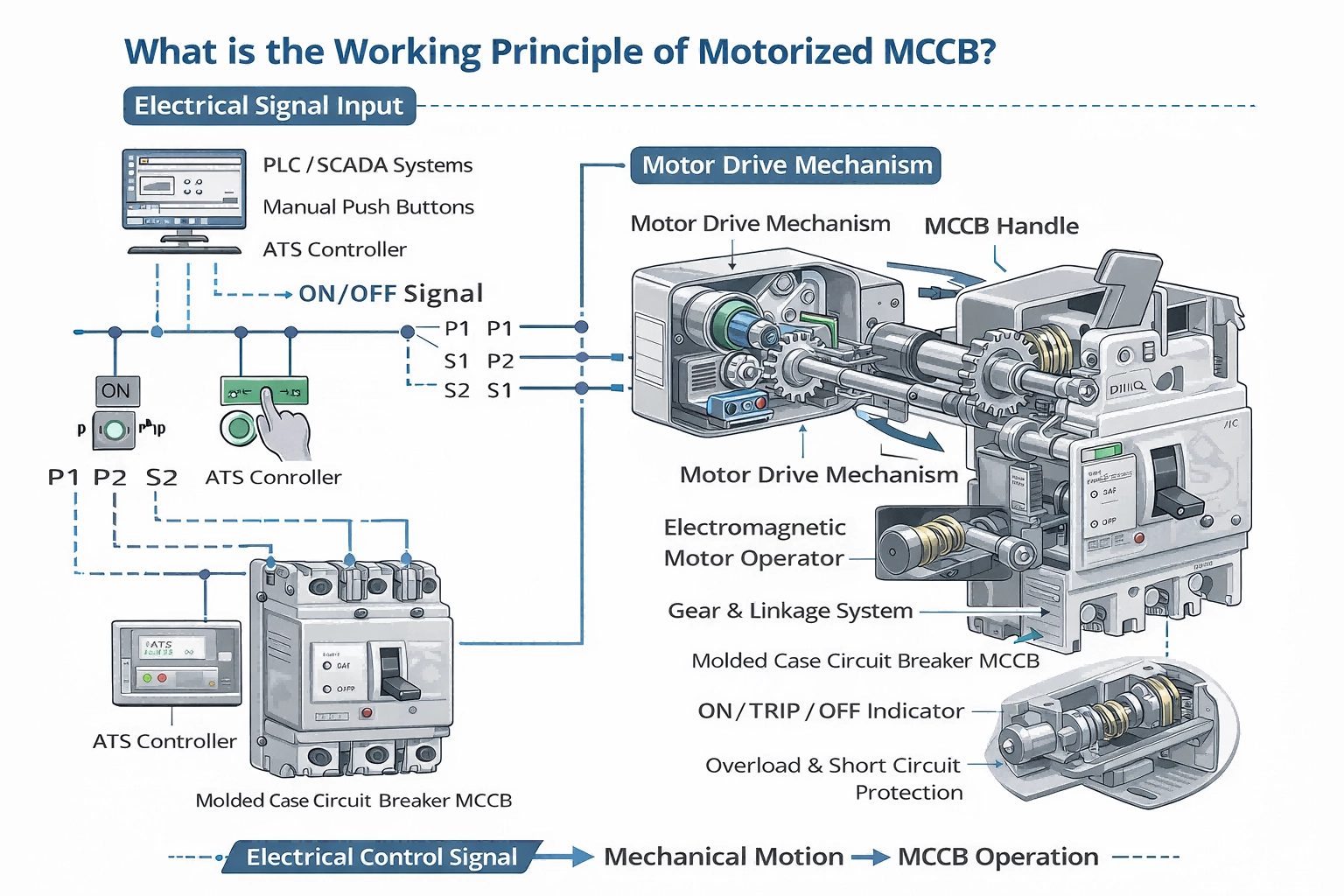
How to Use a Motorized MCCB Circuit Breaker for Remote Control and ATS Systems
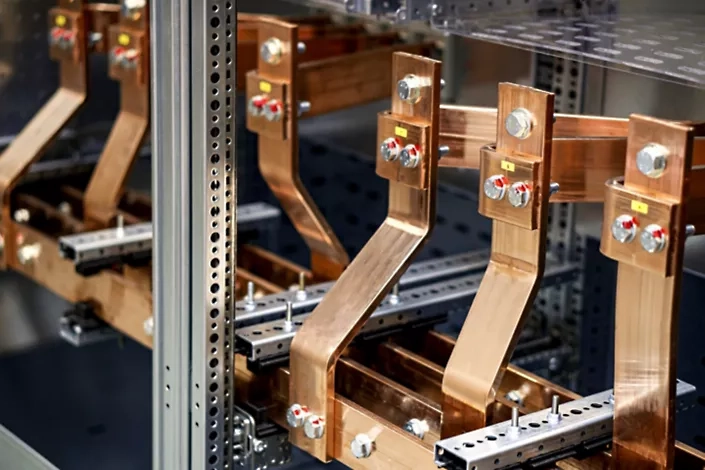
30-Day DIY Electrical Panel Cost-Saving Guide – Day 3

30-Day DIY Electrical Panel Cost-Saving Guide – Day 2

How to Build Your Own Electrical Panel and Save Up to 60% on Costs
Logistics
Do you offer DDP (Delivered Duty Paid) shipping service?
Yes, we can provide DDP shipping solutions, especially for regions such as:
- Europe
- Southeast Asia
- Middle East
- North America
Under DDP terms:
- We handle shipping, customs clearance, and import duties
- Customers receive goods directly without extra charges
This is ideal for clients who want a hassle-free, door-to-door delivery experience.
3P NLCD2 Series Motorized Operating MCCB
Does it include protection functions?
Protection depends on MCCB and accessories such as MX, MN, MV modules.
STE18-RF Prepaid IC Card Energy Meter
Where is this prepaid electricity meter commonly used?
It is widely used in residential buildings, rental apartments, rural electrification projects, student dormitories, and small commercial facilities where prepaid electricity management is required.
Can the meter support different electricity tariffs?
Yes. The meter supports multi-tariff settings and time-of-use (TOU) billing, allowing utilities to apply different electricity rates during different time periods.
OEM/ODM
What OEM / ODM services does NEWLINK provide?
We offer full OEM and ODM services, covering custom branding, product configuration, firmware and communication options, system integration, and complete power distribution solutions—from individual components to fully assembled systems.
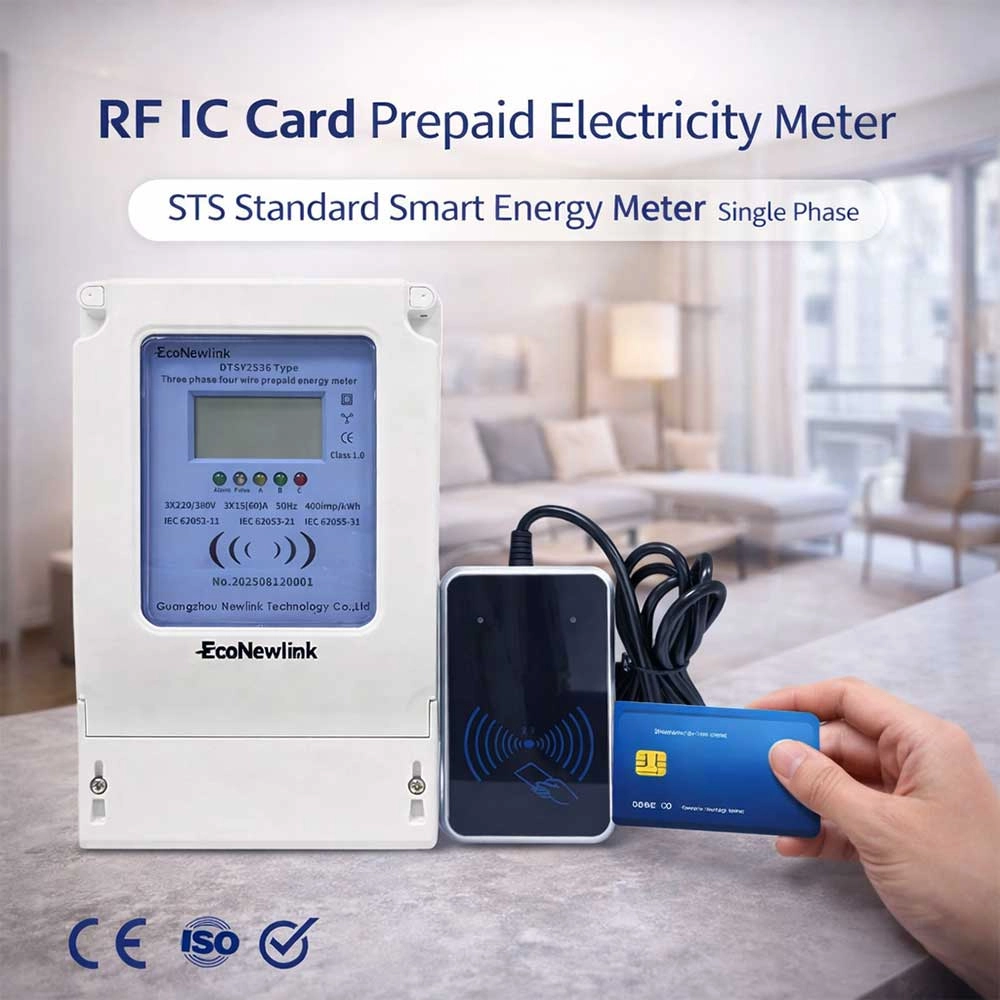
STE18-RF Prepaid IC Card Energy Meter – STS Compliant RF Smart Electricity Meter for Secure Prepaid Power Management and Vending System Integration
The STE18-RF Prepaid IC Card Electricity Meter is an STS-compliant smart energy meter designed for secure and efficient prepaid power management. Using reliable RF IC card communication, the meter enables accurate electricity data storage, token-based credit management, and seamless integration with vending systems or handheld units. Its modular plug-and-play architecture supports flexible smart metering deployment while ensuring stable performance, tamper protection, and offline operation without continuous network connectivity.
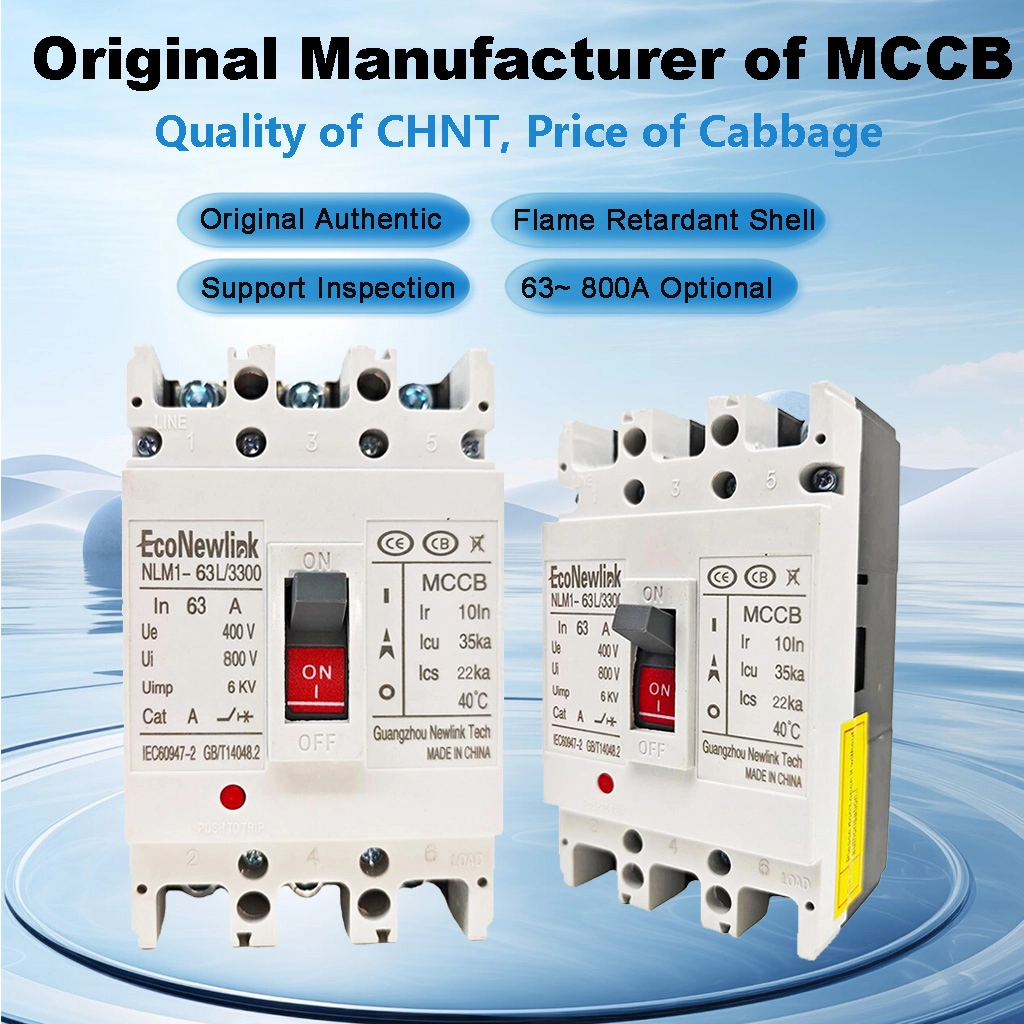
M1 / NLDM1 Series Moulded Case Circuit Breaker MCCB Manufacturer | 400V–1000V | 10A–2000A | High Breaking Capacity
The M1 / NLDM1 Series moulded case circuit breaker (MCCB) is designed for AC power distribution up to 1000V and 2000A. It provides overload, short circuit and undervoltage protection with high breaking capacity, compact design and modular accessories. Ideal for industrial, commercial and motor protection applications.
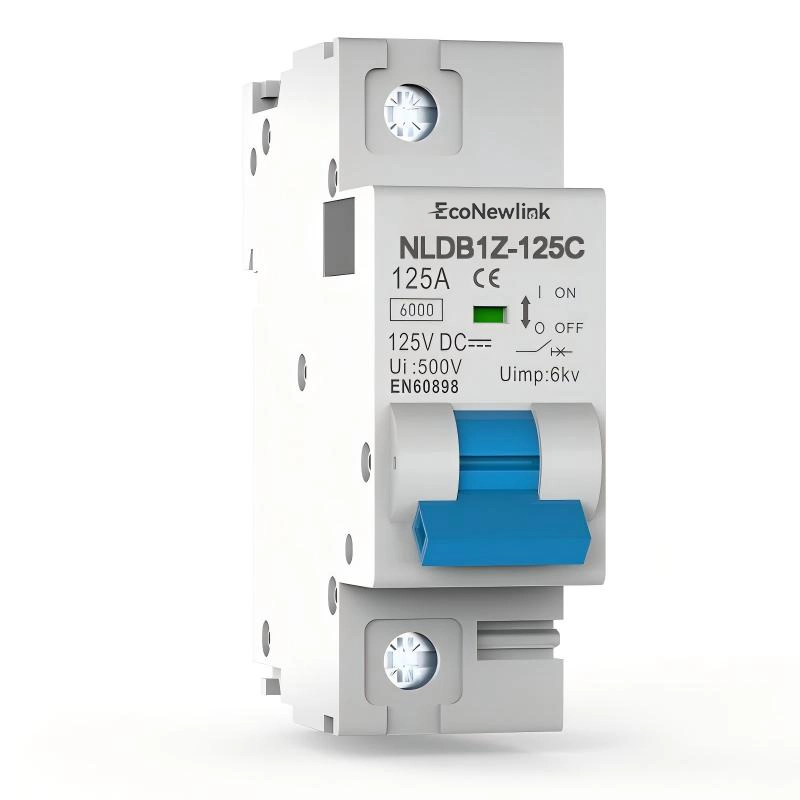
DIN Rail Solar DC MCB Circuit Breaker 63A-125A 250V DIN Rail Miniature Circuit Breaker for Photovoltaic System
High-performance DC miniature circuit breaker for solar photovoltaic systems, supporting 63A-125A current and up to 250V DC voltage. DIN rail installation, optional 6kA/10kA breaking capacity, reliable protection for solar panels, battery systems and DC distribution.
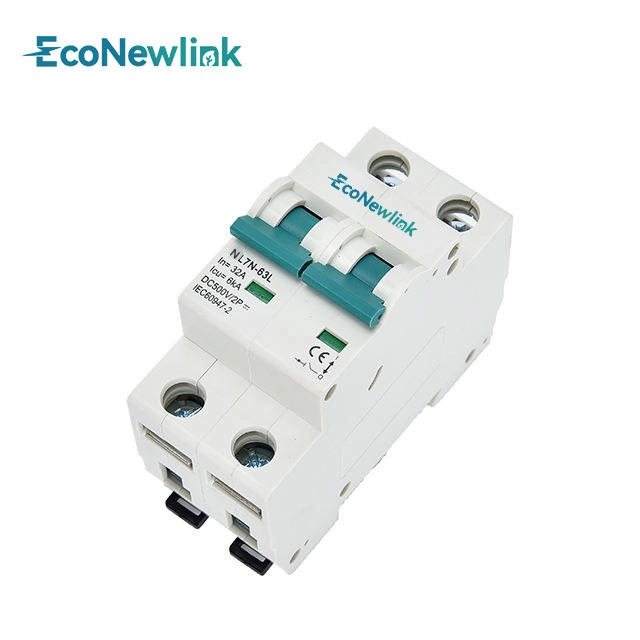
Breaking Capacity Dual Power Manual Transfer Isolating Switch Interlock MCB
Request More Information or Subscribe for Updates
Thank you for reading our article!
If you would like more detailed information, have specific questions, or want to stay updated with the latest articles and guides, please fill out the form below.
Our team will get back to you with tailored information and resources.
Powering the Future with Smart, Safe Solutions
EcoNewlink delivers cutting-edge intelligent power products and solutions to ensure safety, efficiency, and reliability in your power distribution systems.
Contact
Email: nali@newlink.ltd
WhatsApp:
Address: No.76 Chuangyu road, Zengcheng District, Guangzhou, China

 WhatsApp
EcoNewlink
EcoNewlink