





What is the difference between a panelboard and a switchboard?
- 1) For a building service rated 2,000 A at 480 V, should I buy a panelboard or a switchboard — and what specific performance specs must I insist on?
- 2) Can a panelboard be used as service equipment — what NEC/UL restrictions and labeling should I check?
- 3) When specifying busbars and connections, what manufacturing tolerances, materials, and impedance data should I demand to ensure claimed short-circuit performance is real?
- 4) How do I specify arc-flash mitigation features differently for panelboards versus switchboards?
- 5) What factory acceptance and routine tests should I mandate before shipment to guarantee performance and minimize commissioning surprises?
- 6) When balancing lifecycle cost vs first-cost, how should I choose between copper and aluminum busbar systems for large power distribution equipment?
- Concluding summary — advantages of modern power distribution equipment
Power Distribution Equipment: What Is the Difference Between a Panelboard and a Switchboard?
This article answers six specific, often-misunderstood procurement and manufacturing questions for power distribution equipment buyers. Each answer references current industry standards (UL, IEC, NFPA/NEC, IEEE) and practical factory-acceptance and specification guidance you can use when selecting or specifying electrical assemblies.
Standards referenced: UL 67 (panelboards), UL 891 (switchboards), IEC 61439 (low-voltage switchgear & controlgear assemblies), NFPA 70/NEC (electrical installation), IEEE 1584 (arc-flash calculations). For manufacturing and testing expectations, request type-test and routine-test reports per IEC 61439 or UL listing documentation.
1) For a building service rated 2,000 A at 480 V, should I buy a panelboard or a switchboard — and what specific performance specs must I insist on?
Why this matters: Many buyers assume a large panelboard can substitute for a switchboard simply by increasing size. That leads to underspecified bus strength, inadequate short-circuit withstand, and maintenance/safety issues.
Practical answer and checklist:
- Primary recommendation: For a 2,000 A, 480 V service, specify a switchboard or low-voltage switchgear rather than a typical panelboard. Switchboards are engineered for higher continuous currents, easier cable access, larger busbars, and improved short-circuit ratings.
- Ratings to require in the purchase specification:
- Continuous ampacity: rated for at least 2,000 A with thermal rise tests per IEC 61439 or UL 891.
- Short-circuit withstand (kA rms symmetrical): specify the prospective fault current at the point of installation (e.g., 65 kA@480 V). Require the assembly be type-tested to withstand that current for required duration (1 s, making/fault duty where applicable) and provide test reports.
- Bus rating and mechanical details: busbar cross-section, material (copper or aluminum), bus joints, bolted connections and torque specs, insulation clearances and air/creepage distances per IEC/UL requirements.
- Accessibility & segregation: include bolted or bolted-withdrawable compartments for feeders, dedicated cable channels, and front/rear access dimensions for maintenance and cable landing.
- Protective devices and coordination: specify factory settings/coordination studies for upstream protective relays or breakers, and specify short-circuit and coordination reports.
- Why not a panelboard: UL 67 panelboards are primarily for branch-circuit distribution and typically used in smaller distribution roles. They are not optimized for large service entrance duty with extensive feeder sets, cable access, or the higher bus mechanical and fault current demands you get at 2,000 A service levels.
2) Can a panelboard be used as service equipment — what NEC/UL restrictions and labeling should I check?
Why this matters: Misusing a panelboard as service equipment can violate NEC and UL listings and create hazards when the assembly is not designed for disconnect duty, fault clearing, or required accessibility.
Answer and specification guidance:
- Code overview: NEC (NFPA 70) Article 230 covers service disconnects and service equipment. It requires that service disconnecting means be installed at a readily accessible location and the equipment be rated and listed for service use where required.
- UL listing differences: Panelboards (UL 67) are intended for branch-circuit distribution. Switchboards and switchgear covered by UL 891 and related standards are intended for service entrance duties and higher short-circuit duties. A UL 67 listing alone does not automatically qualify a panelboard for service entrance unless the manufacturer specifically lists it for that use and provides marking/labeling to that effect.
- What to require from suppliers:
- A statement from the manufacturer that the specific assembly is listed and labeled for service equipment use (if intended as service). Ask for documentation with the UL file number and model designation.
- Short-circuit rating and overcurrent protection sizing consistent with NEC 230 and utility requirements.
- Clear labeling for utility/inspector acceptance and for O&M staff, plus instructions for lockable disconnects, grounding, and bonding per NEC.
- Practical tip: For service ratings above several hundred amps or where future expansion/maintenance isolation is required, specify switchboards or switchgear rather than relying on a panelboard configured for service duty.
3) When specifying busbars and connections, what manufacturing tolerances, materials, and impedance data should I demand to ensure claimed short-circuit performance is real?
Why this matters: Manufacturers sometimes publish kA ratings without supplying the underlying bus impedance, cross-section, material data, or test evidence. Without these, short-circuit analysis and protective-device selection are unreliable.
Key data and acceptance criteria to require:
- Material and geometry: copper (electrolytic grade) vs. aluminum busbars; specify conductivity, thickness, number of plates, and cross-sectional area. Require drawings showing bus stacking, insulation/potting, and supports.
- Impedance and prospective fault data: request bus impedance per phase (ohms) or per-unit impedance and the rated symmetrical short-circuit current (kA) at specified voltage. Ensure the kA rating is greater than or equal to your calculated prospective fault current at point of installation.
- Type-test evidence: require validated type-test reports (short-time current, making current, peak withstand) run per IEC 61439 or UL short-circuit performance tests. Reports should include waveform data, time durations, test set-up and witness signatures when possible.
- Routine checks and manufacturing tolerances: include bolt torque values for all bolted connections, flatness and concentricity tolerances for bus joints, and maximum allowed surface contaminants. Ask for inspection checklists and QA sign-off on torque checks and plating/anti-oxidation treatments (for aluminum).
- Design margin: specify a minimum safety margin (commonly 10–25%) between claimed short-circuit rating and calculated prospective fault current to account for site variability and aging.
Practical negotiation point: If the supplier cannot provide impedance figures and type-test evidence, treat the published kA rating as unverifiable and seek another vendor or require site acceptance testing (primary injection).
4) How do I specify arc-flash mitigation features differently for panelboards versus switchboards?
Why this matters: Arc-flash risk is a function of available fault current, clearing time, and enclosure design. Switchboards and switchgear typically offer more arc-mitigation options than small panelboards.
Actionable specification items:
- Incident energy basis: run an arc-flash study per IEEE 1584 to determine incident energy and PPE categories at each device. Use that to define mitigation targets (e.g., reduce to below 8 cal/cm2).
- Design options for switchboards and panelboards:
- Arc-resistant construction: for switchgear/switchboards, require tested arc-resistant ratings and pressure-relief paths directed away from personnel areas if required by the risk assessment.
- Compartmentalization: require fully compartmented bus and breaker compartments so worker access to a feeder does not expose them to bus faults.
- Remote racking and operation: specify draw-out breaker cubicles with remote racking/withdrawal and remote trip/close controls to allow barriered operation during maintenance.
- Fast clearing protection: require electronic trip units, zone-selective interlocking, or modern protective relays to reduce clearing time and incident energy.
- Arc sensors and mitigation relays: optional on higher-risk installations.
- Labeling and PPE: require permanent incident energy labels on boards in accordance with NFPA 70E and documentation of expected PPE levels and safe approach boundaries.
5) What factory acceptance and routine tests should I mandate before shipment to guarantee performance and minimize commissioning surprises?
Why this matters: Incomplete or absent testing is the leading cause of commissioning delays, field failures, and warranty disputes.
Minimum test matrix to require and why:
- Type tests (once per design): temperature rise, short-circuit withstand, dielectric tests, making/fault current tests per IEC 61439 or UL requirements. Ask for full type-test report with signatures.
- Routine tests (each unit or per lot): visual inspection, torque verification, insulation resistance (megger), polarity and continuity, functional trip tests of breakers, protective device calibration, and high-potential (hi-pot) where applicable.
- Primary injection tests: mandatory if the assembly includes protective relays or metering; this verifies current transformer (CT) and relay behavior under real currents and is best done at FAT or witnessed by purchaser.
- Witness options: reserve the right to witness FATs at the factory or request certified video of tests. For critical projects, require a purchaser-witnessed FAT and a signed FAT protocol.
- Documentation deliverables: factory test report, calibration certificates for instruments used, wiring diagrams, nameplate data, installation instructions, and spare parts list.
6) When balancing lifecycle cost vs first-cost, how should I choose between copper and aluminum busbar systems for large power distribution equipment?
Why this matters: Buyers often choose aluminum to save initial capital, but long-term operational costs, maintenance and availability implications can change the total cost of ownership (TCO).
Comparison factors and decision framework:
- Conductivity and size: copper has higher electrical conductivity allowing smaller cross sections for the same ampacity. This can save enclosure space and reduce insulation clearances for compact designs.
- Initial cost: aluminum raw material and fabrication costs are typically lower per kg, so initial capital cost of aluminum busbars is usually less.
- Mechanical & thermal behavior: copper is stronger, has better thermal cycling durability and less tendency for creep under sustained pressure/temperature. Aluminum requires more robust mechanical design, larger bus cross-section and specific fastening practices.
- Connections and maintenance: aluminum requires anti-oxidation compounds, precise torque procedures, and periodic re-torque in some climates to avoid elevated contact resistance over time. Copper connections are generally more forgiving and have lower long-term maintenance risk.
- Weight and seismic considerations: aluminum is lighter which can reduce support structure and shipping costs, relevant for rooftop or seismic installations.
- Lifecycle cost model: create a 10–25 year TCO model including capital cost, energy losses due to conductor resistance (I2R losses), scheduled maintenance and downtime risk, replacement costs, and insurance/incident risk from connection failures. For continuously loaded high-availability installations, copper often gives lower TCO despite higher first cost; for budget-driven, low-duty applications aluminum may be appropriate.
Specification tip: If selecting aluminum, require the manufacturer to provide connection procedures, anti-oxidation material specification, torque tables, and maintenance interval guidance as part of the delivery package.
Concluding summary — advantages of modern power distribution equipment
Well-specified power distribution equipment (panelboards, switchboards, switchgear and associated switchgear components) delivers safety, reliability, and operational flexibility. Advantages include scalable capacity for growth, improved fault management through higher short-circuit ratings and coordinated protection, lower arc-flash incident energy when modern mitigation techniques are applied, and predictable lifecycle costs when materials, testing and maintenance are properly specified. Choosing equipment built and tested to UL/IEC standards and specifying robust FAT and routine testing reduces commissioning risk and long-term operating expense.
For a tailored specification, type-test evidence and a factory-acceptance plan for your next purchase of panelboards, switchboards, or low-voltage switchgear, contact us for a quote at www.econewlink.com or email nali@newlink.ltd.
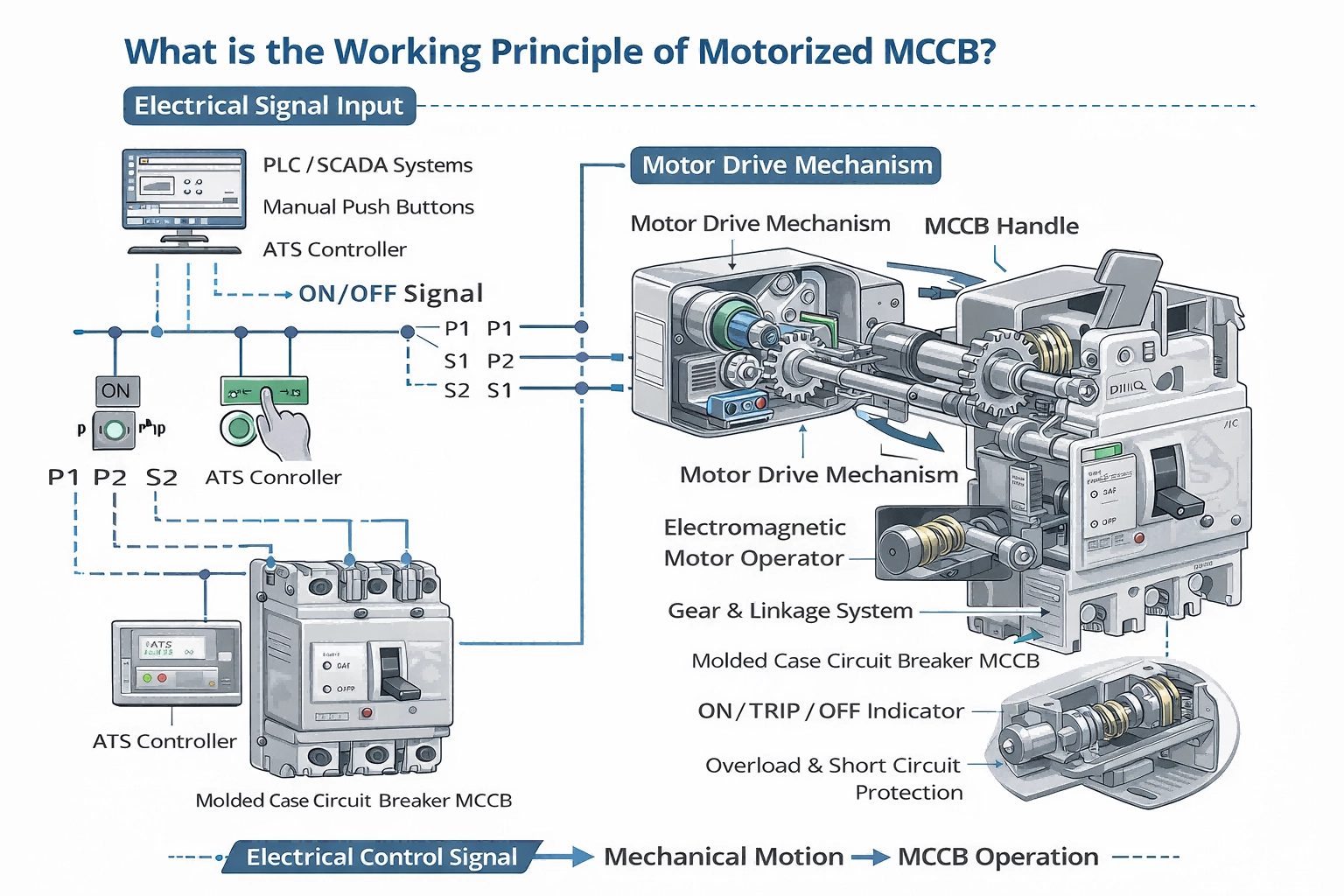
How to Use a Motorized MCCB Circuit Breaker for Remote Control and ATS Systems
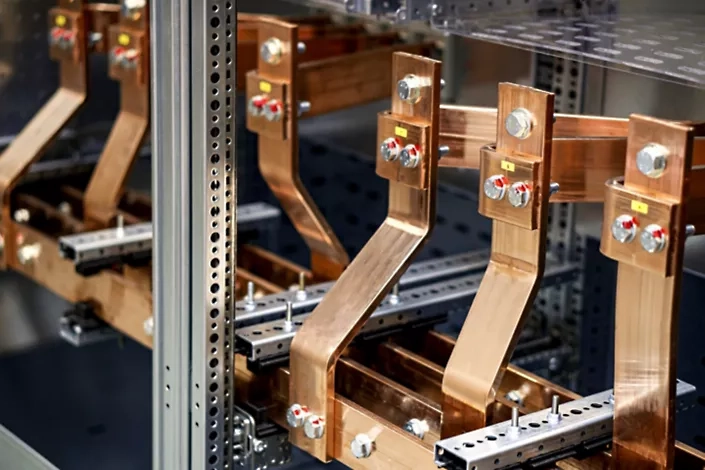
30-Day DIY Electrical Panel Cost-Saving Guide – Day 3

30-Day DIY Electrical Panel Cost-Saving Guide – Day 2
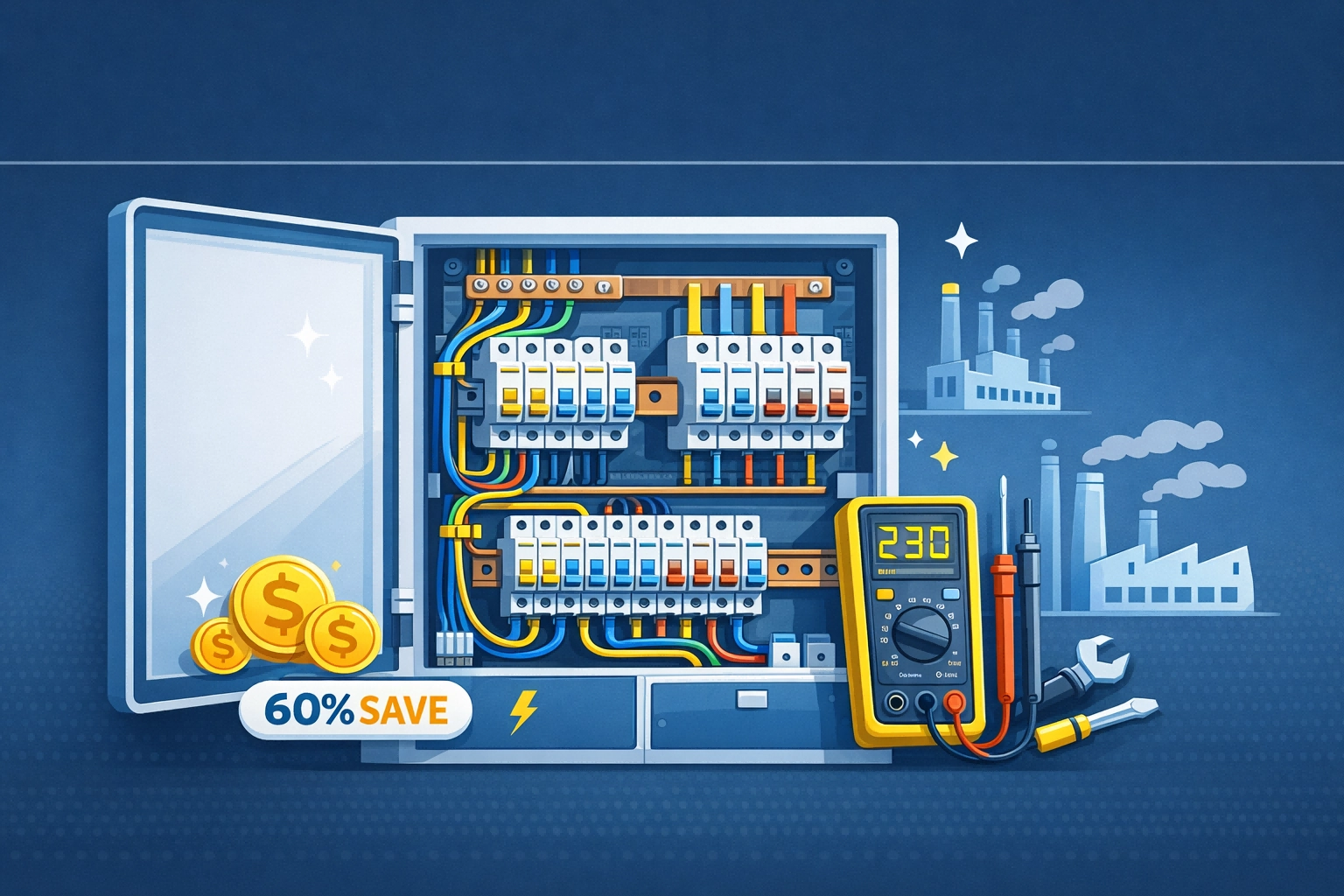
How to Build Your Own Electrical Panel and Save Up to 60% on Costs
MCCB NLECB-250
Is the product waterproof?
Yes, the housing is designed for outdoor photovoltaic environments with enhanced sealing and weather resistance.
Tuya WiFi Smart Recloser
How is the breaker installed?
The device supports standard 35mm DIN rail installation, commonly used in electrical distribution boxes.
Three Phase anti backflow energy meter
Can it work without CT?
Yes for small current systems direct connection is possible, larger systems require CT.
Photovoltaic DC circuit breaker DC MCB
Can the product support international customs clearance?
Yes. Our DC circuit breakers comply with IEC/EN international standards, and we can provide the necessary documents such as commercial invoice, packing list, and certificate documents to support smooth customs clearance in different countries.
Energy Meter Single-Phase Ammeter
What does this ammeter measure?
It measures single-phase AC or DC current in real time and provides accurate digital display.
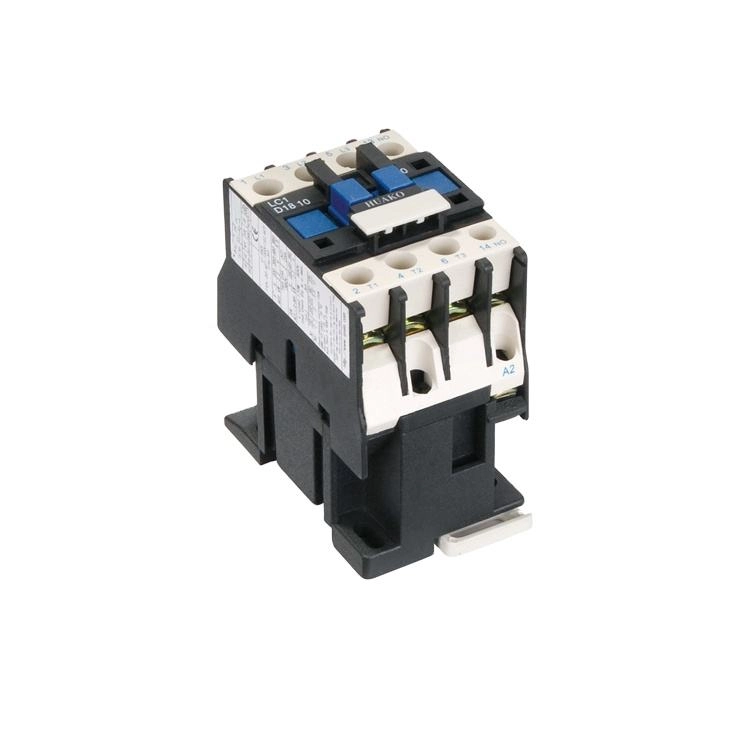
LC1 (CJX2) 220V Single Pole 2 Pole 3P 4 Pole Electrical Contactor Magnetic AC DP Definite Purpose Contactor
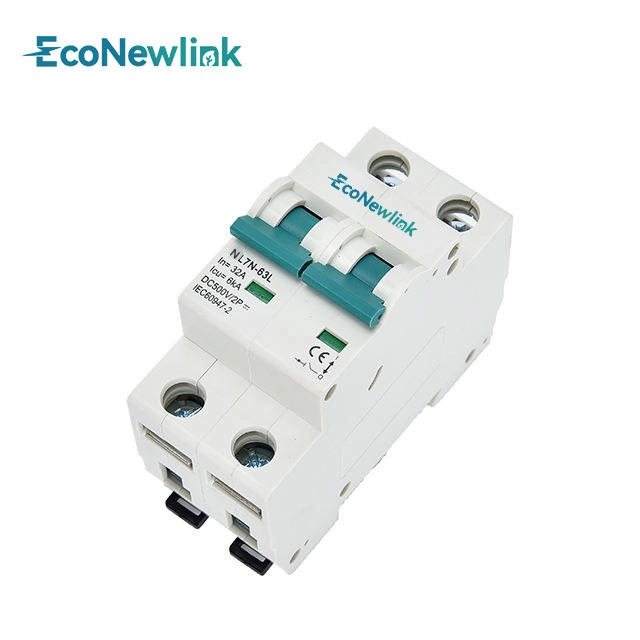
Breaking Capacity Dual Power Manual Transfer Isolating Switch Interlock MCB
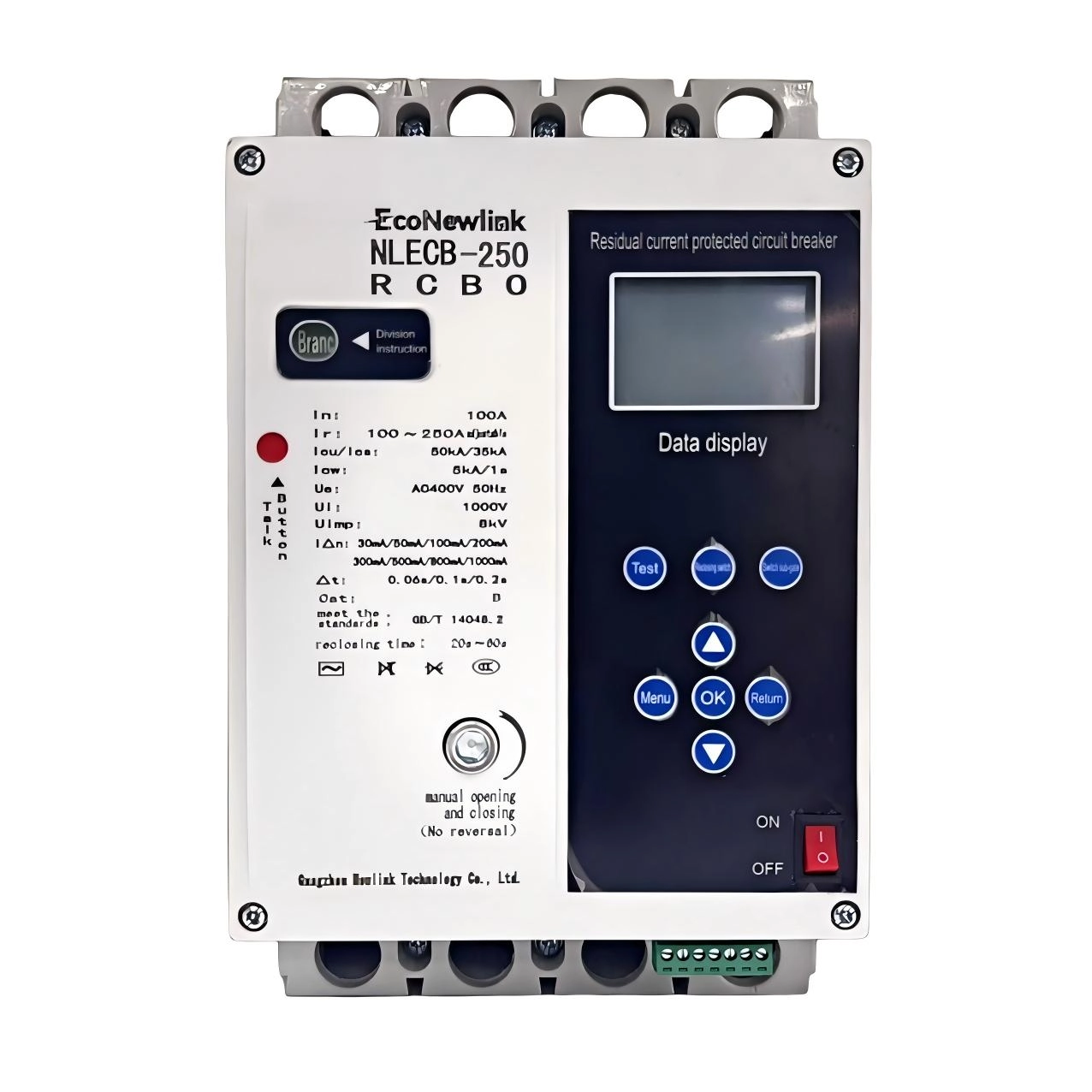
NLECB Automatic Reclosing ECB Circuit Breaker for Overload, Short-Circuit & Leakage Protection
This photovoltaic automatic reclosing circuit breaker (ECB) is designed for solar and low-voltage power distribution systems. It provides automatic reclosing functionality and comprehensive protection, including overload, short-circuit, and leakage protection, ensuring stable and reliable operation in harsh environments.
It solves common pain points in solar and smart power systems, such as manual reset issues, system downtime, and safety risks caused by unstable grid conditions. The waterproof design enhances durability and extends product life in outdoor installations.
Key advantages include high reliability, improved safety, reduced maintenance time, and automatic fault recovery. The product complies with international standards and certifications including ISO, CE, RoHS, and GRS, making it suitable for global markets.
OEM and customization services are available to support brand differentiation and specific engineering requirements.
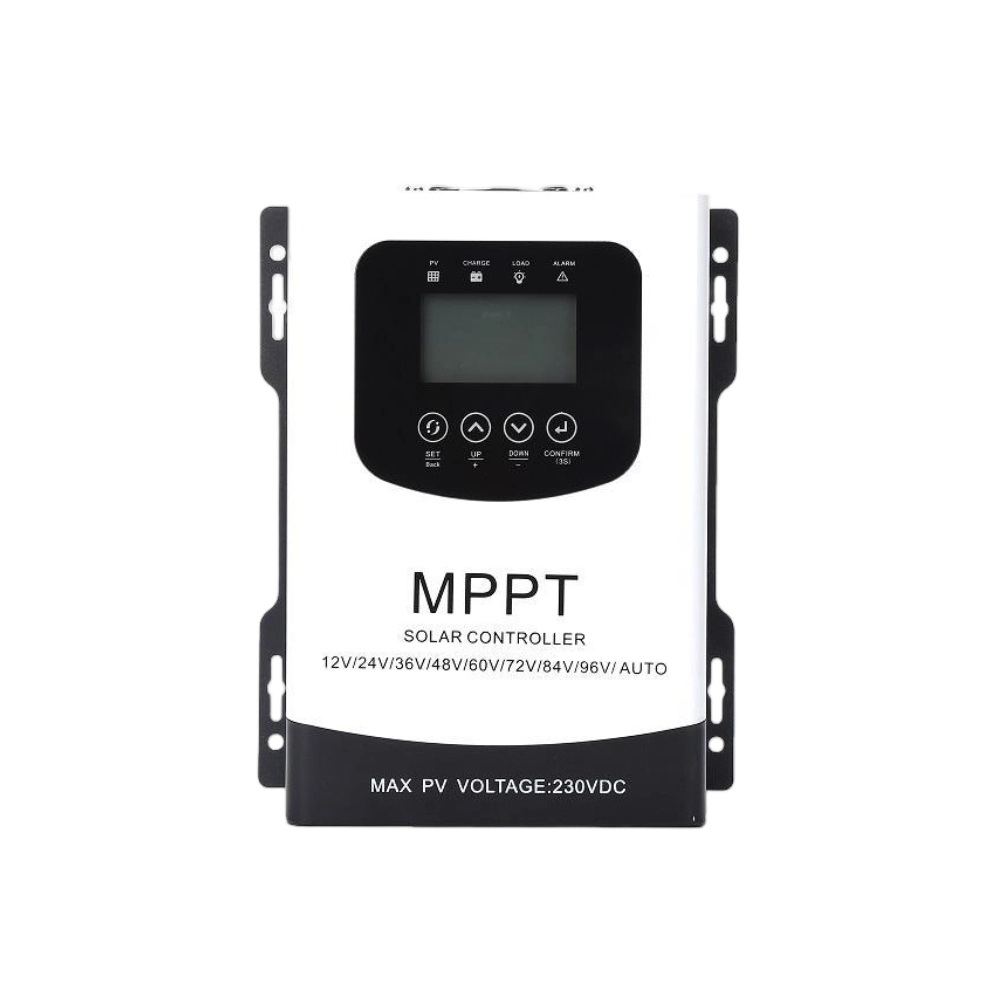
High Efficiency MPPT Solar Charge Controller for Off Grid Systems with 98% Tracking Battery Protection and RS485 Monitoring
This MPPT Solar Charge Controller is designed for off grid solar power systems, delivering up to 98% tracking efficiency to maximize photovoltaic energy utilization. It supports lead acid and lithium batteries with optimized multi stage charging to extend battery lifespan. Built in overcharge, over discharge, overload and short circuit protection ensure system safety, while the RS485 communication interface enables remote monitoring and intelligent energy management. Ideal for residential, telecom and small commercial solar applications.
Request More Information or Subscribe for Updates
Thank you for reading our article!
If you would like more detailed information, have specific questions, or want to stay updated with the latest articles and guides, please fill out the form below.
Our team will get back to you with tailored information and resources.
Powering the Future with Smart, Safe Solutions
EcoNewlink delivers cutting-edge intelligent power products and solutions to ensure safety, efficiency, and reliability in your power distribution systems.
Contact
Email: nali@newlink.ltd
WhatsApp:
Address: No.76 Chuangyu road, Zengcheng District, Guangzhou, China

 WhatsApp
EcoNewlink
EcoNewlink