





What is your Minimum Order Quantity (MOQ) for wholesale low-voltage equipment?
- 1. How do I verify a low-voltage switchgear's true short-circuit rating on a supplier quote?
- 2. What manufacturing tolerances and busbar clearances should I insist on for 400–1600 A distribution panels to prevent derating?
- 3. How should I interpret IP and IK ratings on outdoor distribution boards—what complications cause real-world failures?
- 4. What is your Minimum Order Quantity (MOQ) for wholesale low-voltage equipment?
- 5. Which certifications and test reports should I request to ensure LV switchgear complies with IEC 61439 and local regulations?
- 6. How much lead time and what production milestones should I require in the contract for custom switchboards to avoid hidden delays?
As an experienced electrical components manufacturing consultant, this guide answers six specific, buyer-focused questions that are often missing in depth online. It embeds practical details on LV switchgear, distribution panels, busbars, MCCs, and procurement practices to help facility engineers, procurement managers and system integrators make confident purchases.
1. How do I verify a low-voltage switchgear's true short-circuit rating on a supplier quote?
Why this matters: Incorrect short-circuit ratings risk catastrophic failure under fault conditions. Suppliers sometimes quote “kA short circuit” without documentation or suitable type-test basis.
What to request and verify:
- Type test report referencing IEC 61439-2 (low-voltage switchgear and controlgear assemblies) or UL 1558/UL 891 where applicable. The report must show the verified peak let-through current (Ipk) and prospective short-circuit current (Icw or Icw (1s)), and the withstand/closing ratings (kA peak/kA rms).
- Routine test certificates for the delivered unit: power frequency dielectric test (AC withstand), insulation resistance, and verification of protection device settings.
- Clarify whether the quoted kA is kA peak, kA symmetrical, or kA rms (commonly 25 kA, 35 kA, 50 kA, 65 kA are used in LV assemblies). For many industrial LV switchgear, 50 kA to 65 kA (1s rms) is a common contractor spec for substations and large plants; commercial installations may be 25 kA–35 kA.
- Ask for the short-circuit calculation basis: system nominal voltage (e.g., 400/415 V 3-phase), prospective fault current at the point of installation, and whether the supplier’s rating is valid with the specific busbar material and jointing method used.
- Confirm mechanical operations under fault (closing/withstand) if using withdrawable breaker frames—request dynamic test evidence or type test notes.
Red flags: a quote that lists kA without an identifiable type test report, only factory internal tests without third-party validation, or references to non-applicable standards. If in doubt, engage an independent test/lab to witness routine tests or validate documents.
2. What manufacturing tolerances and busbar clearances should I insist on for 400–1600 A distribution panels to prevent derating?
Why this matters: Busbar geometry, clearances, and finish directly affect current-carrying capacity, temperature rise, and short-circuit behavior. Incorrect tolerances lead to overheating and premature derating.
Key tolerances and checks:
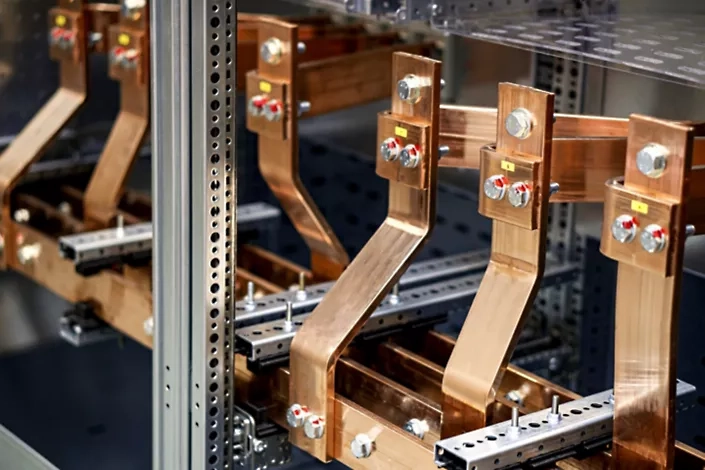
- Busbar copper cross-section and ampacity: Ensure busbar cross-sections are sized for rated current with standard ampacity calculations (considering ambient temperature and grouping). For 400–1600 A panels, manufacturers commonly provide busbar designs validated by temperature-rise tests to IEC 61439; verify the temperature rise at rated current (e.g., ≤65 K above ambient in many specs).
- Clearances and creepage distances: Per IEC 61439 and IEC 60664, ensure minimum air clearances and creepage distances are maintained for the system voltage (e.g., for 690 V systems tolerances are larger than for 400 V). Request the manufacturer’s drawings showing minimum clearances and conformal compliance statements.
- Parallel busbar balancing: For parallel busbars or multi-bar arrangements, insist on manufacturing tolerance for busbar flatness and parallelism (typically within 0.5–1.0 mm on mating surfaces) to avoid uneven current distribution and hotspots.
- Surface finish and plating: Tin or silver plating on copper busbars reduces oxidation and contact resistance—require specification of plating thickness (e.g., minimum tin thickness or manufacturer standard) and solderless jointing hardware torque specs.
- Jointing methods: Bolted joints should use specified torque values with spring washers or Belleville washers to maintain contact pressure. Ask for recommended torque, lubrication, and acceptance criteria after assembly.
- Thermal expansion and support: For long busbar runs, verify fixed and sliding supports, and specify allowable expansion clearances to avoid mechanical stress on enclosures and connections.
Demand temperature-rise test reports (or type test reports) that map busbar current vs. temperature rise for your chosen ambient conditions. This prevents hidden derating at high ambient temperatures or where multiple feeders are grouped.
3. How should I interpret IP and IK ratings on outdoor distribution boards—what complications cause real-world failures?
Why this matters: Suppliers often quote an IP rating (e.g., IP54, IP65) but site conditions (UV, salt spray, dust, condensation) require more nuanced selection and installation practices.
Practical interpretation and pitfalls:
- IP vs. real environment: IP codes (IEC 60529) measure ingress protection against solids/liquids in controlled tests. An IP65 cabinet resists jets of water, but prolonged salt-laden coastal environments require corrosion-resistant materials and coatings beyond IP testing.
- Material and surface treatment: For outdoor switchgear, specify corrosion classifications (e.g., C3–C5 per ISO 12944) and choose stainless steel or hot-dip galvanized steel with powder coating for coastal or chemical plant environments. UV-stabilized coatings avoid embrittlement and peeling.
- Condensation and internal humidity: Even IP66 enclosures can suffer condensation cycles. Insulation of critical electronics, desiccant packs, or thermostatically controlled heaters/venting with filters mitigate condensation risks.
- Cable gland integrity and cable entry: A high IP rating is only maintained if cable glands and penetrations are properly selected and installed. Require supplier to specify gland types, sealing washers, and cable bend radii to preserve IP rating after installation.
- IK impact and mechanical protection: For kiosks or outdoor distribution centers exposed to vandalism or mechanical impacts, specify IK ratings (e.g., IK10) and reinforced enclosures or bollards.
Ask the supplier for environmental qualification tests or references from similar installations, and include site-specific conditions in the purchase spec. Where available, request climate-specific test reports (salt spray, UV) or extended warranties for coastal installations.
4. What is your Minimum Order Quantity (MOQ) for wholesale low-voltage equipment?
Why this matters: Buyers often need clear expectations for pricing, lead time, and flexibility—especially when mixing stock items (MCCBs, contactors) and custom assemblies (LV switchboards).
How MOQs are determined and typical industry ranges:
- Stock components vs assembled products: Off-the-shelf components (MCCBs, MCBs, relays, contactors) are commonly sold as single units or small packs—most distributors and wholesalers will accept orders of 1–10 pieces. For OEM-packaged component lots or custom-labeled items, MOQs can rise (commonly 100–500 pcs) depending on supplier packaging economics.
- Custom switchboards and LV assemblies: For bespoke assembled panels, many reputable manufacturers accept low-volume orders (even single sets) because switchgear is a high-value product. However, economic MOQ for serial production that reduces per-unit cost is often 5–20 sets depending on complexity (e.g., integrated busbar, metering, protective relays).
- Price/lead-time trade-offs: Expect per-unit prices to decline noticeably at breakpoints (e.g., 1 set, 5 sets, 20 sets). Ask suppliers to show price curves or tiered pricing for common production quantities.
- How to negotiate if you need low quantity: Offer to accept longer lead times, flexible packaging, or share engineering drawings to avoid design changes. Alternatively, buy from stock variants or accept neutral labeling to meet smaller MOQs.
- Documentation and logistics: For wholesale purchases, confirm documentation (factory test reports, type tests, certificates) and who pays for third-party inspections—these affect minimum feasible order sizes and total landed cost.
Actionable advice: When asking a supplier “What is your MOQ?”, include the exact product specification (standard part vs. custom assembly), desired lead time, and target price. Ask for tiered pricing at 1, 5, 10, 20+ units so you can evaluate economies of scale. For precise quotes and MOQ for your product mix, contact sales with drawings and BOMs.
5. Which certifications and test reports should I request to ensure LV switchgear complies with IEC 61439 and local regulations?
Why this matters: Certificates and test reports are the primary evidence of safety and compliance. Missing or incomplete documentation can prevent installation sign-off or insurance acceptance.
Essential documents to request:
- Type test report referencing IEC 61439 (or relevant national standard). This should include dielectric test, temperature-rise test, short-time withstand and dynamic tests, making and breaking short-circuit tests, and degree of protection (IP) verification.
- Routine test certificates for each delivered unit: Insulation resistance, power-frequency dielectric test, earth continuity, and verification of mechanical interlocks and breaker settings.
- Third-party certifications where required: CE marking for EU markets (with Declaration of Conformity), UL listings (UL 1558/UL 891/UL 508A as applicable) for North America, and local type approvals for specific utilities or regions.
- Material certification for critical items: Copper or aluminum material certificates (EN/ASTM references), paint/coating system specs (ISO 12944 corrosion category), and fastener grade (e.g., ISO 7091 or ASTM equivalent).
- Factory quality system certificates: ISO 9001 (quality management) is increasingly expected; ISO 14001 or OHSAS/ISO 45001 are valuable for large projects and public tenders.
- Witnessed testing and FAT reports: For large orders, request factory acceptance test (FAT) witnessed by client or third-party inspector, and obtain signed FAT reports covering sequence-of-operation, protection coordination, and metering accuracy.
Procurement tip: Create a minimum documentation checklist in the contract that binds the supplier to deliver specified certificates. If local authorities require additional approvals (utility type-test acceptance), include those as contract milestones.
6. How much lead time and what production milestones should I require in the contract for custom switchboards to avoid hidden delays?
Why this matters: Delivery uncertainty causes project delays and site cost overruns. Many contracts lack clear manufacturing milestones, which reduces accountability.
Recommended lead-time planning and milestones:
- Typical lead times: For standard LV distribution panels from stock, lead times can be days to 4 weeks. For custom switchboards and integrated LV assemblies, typical fabrication lead time is 6–12 weeks depending on complexity, materials, and testing requirements. Complex projects involving protection relays, automation, and control panels may require 12–20 weeks.
- Contract milestones to include: engineering approval (2–4 weeks), procurement of long-lead items (switchgear, relay panels), mechanical fabrication start, electrical assembly start, pre-test (internal), FAT (witnessed), packing and dispatch. Assign firm dates and acceptance criteria to each milestone.
- Long-lead items & procurement risks: Identify long-lead components (e.g., digital protection relays, large molded-case circuit breakers) and require the supplier to list their procurement schedule. Consider allowing the buyer to procure these items separately to reduce lead time risk.
- Quality gates and inspection: Include provisions for FAT witness windows, remedial actions timelines, and penalties for missed delivery if agreed. Also require that manufacturer submits weekly progress reports and photos at key milestones when in production.
- Contingency & change control: Define allowable design changes, their effect on lead time and cost, and a formal change-control procedure. Include an agreed buffer (e.g., 10–20%) for schedule slippage in complex projects and a clause for force majeure events.
Project management tip: Request an itemized BOM with supplier lead times during quotation. This enables you to see which components drive schedule and to explore alternative sources early.
Concluding summary: Choosing the right supplier for power distribution equipment demands technical verification beyond price: validate short-circuit and temperature-rise type tests (IEC 61439), insist on clear busbar tolerances and jointing procedures, match IP/IK ratings to real environmental risks, understand realistic MOQs for stock items versus custom assemblies, obtain full certification and FAT documentation, and lock in production milestones. These measures reduce installation risk, hidden costs, and long-term maintenance headaches.
Advantages of working with a compliant, experienced manufacturer include: faster commissioning thanks to complete test documentation, lower lifecycle costs via correct busbar sizing and temperature rise validation, reduced warranty claims through controlled manufacturing tolerances, and clearer commercial terms (MOQ and lead time transparency).
For an accurate quote, BOM review, or to request test-document examples and MOQ tiers for your specific low-voltage equipment needs, please contact us at www.econewlink.com or email nali@newlink.ltd.
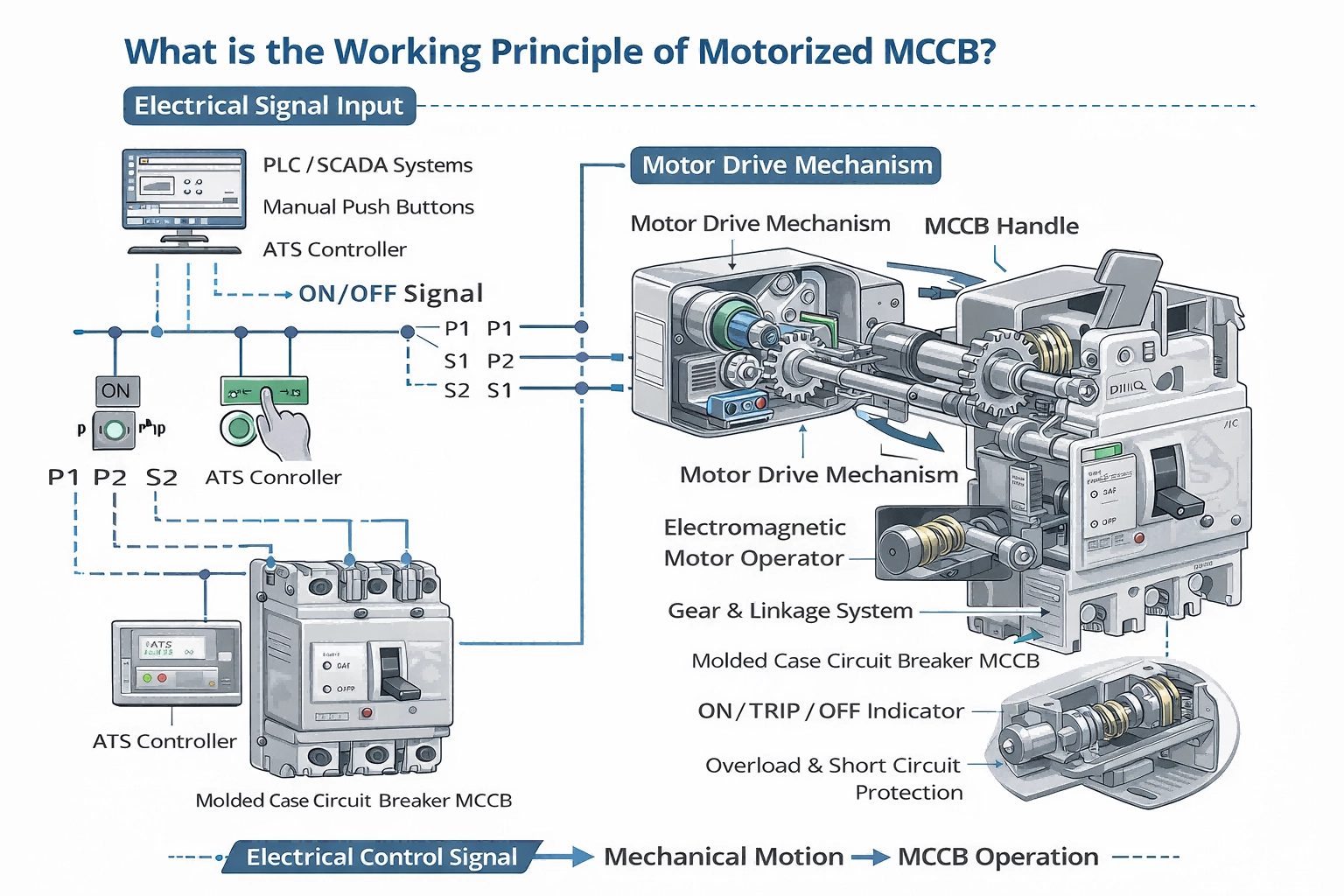
How to Use a Motorized MCCB Circuit Breaker for Remote Control and ATS Systems
30-Day DIY Electrical Panel Cost-Saving Guide – Day 3

30-Day DIY Electrical Panel Cost-Saving Guide – Day 2
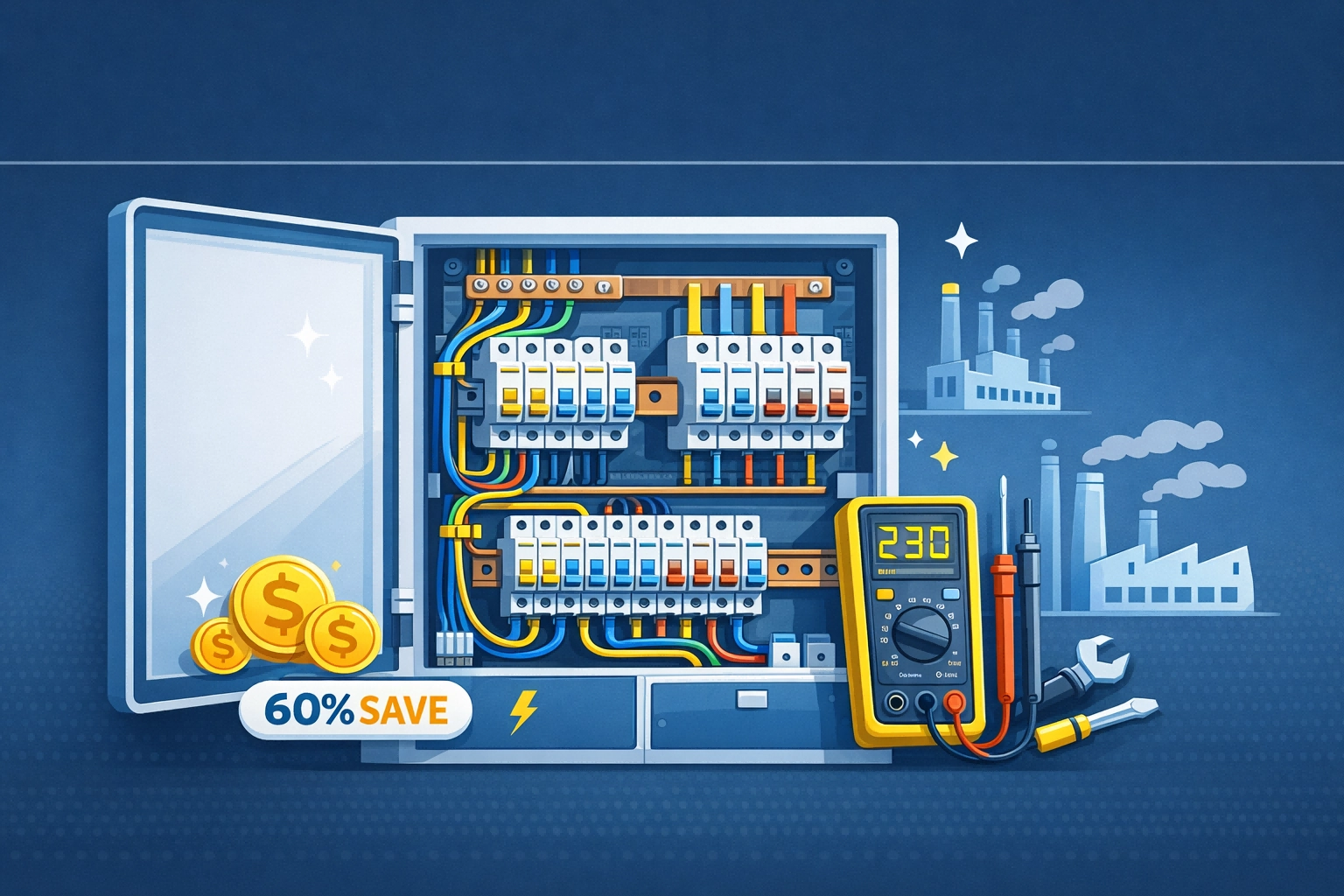
How to Build Your Own Electrical Panel and Save Up to 60% on Costs
Photovoltaic DC circuit breaker DC MCB
What voltage does it support?
The breaker supports DC125V (1P) and DC250V (2P) configurations.
NLDB1Z-125 manul
Three-phase multifunction guide rail meter
Does the meter have pulse output?
Yes, it provides electrical energy pulse output.
Energy Meter Single-Phase Ammeter
Can it connect to PLC or SCADA systems
Yes, it can be integrated into industrial automation systems via RS485 communication.
Current Transformer(CT)
What certifications does this current transformer have?
The product is manufactured under strict quality control and complies with ISO and CE certification standards.
LCD2 Series Motorized Operating MCCB
Can OEM/ODM be supported?
Yes, logo, parameters, and design customization are available for OEM/ODM orders.
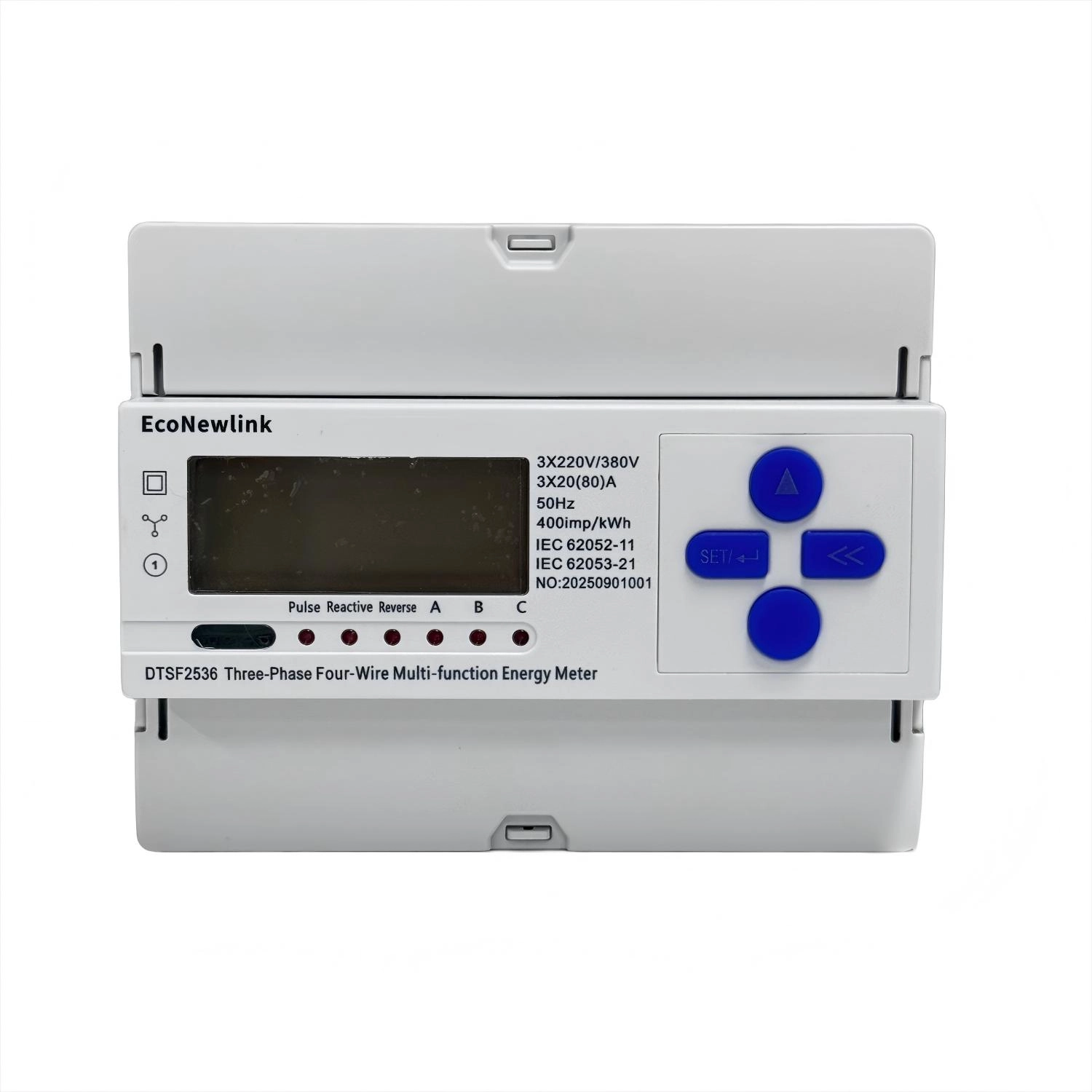
EcoNewlink Three Phase anti backflow energy meter RS485 Modbus DINRail Zero Export for PV Inverter
This three-phase anti-backflow energy meter is designed for solar PV systems to prevent excess electricity from feeding back into the grid. With RS485 Modbus communication, it provides real-time data to the inverter for dynamic power control, helping maximize self-consumption and ensure compliance with grid regulations. Ideal for residential, commercial, and rental energy management systems.
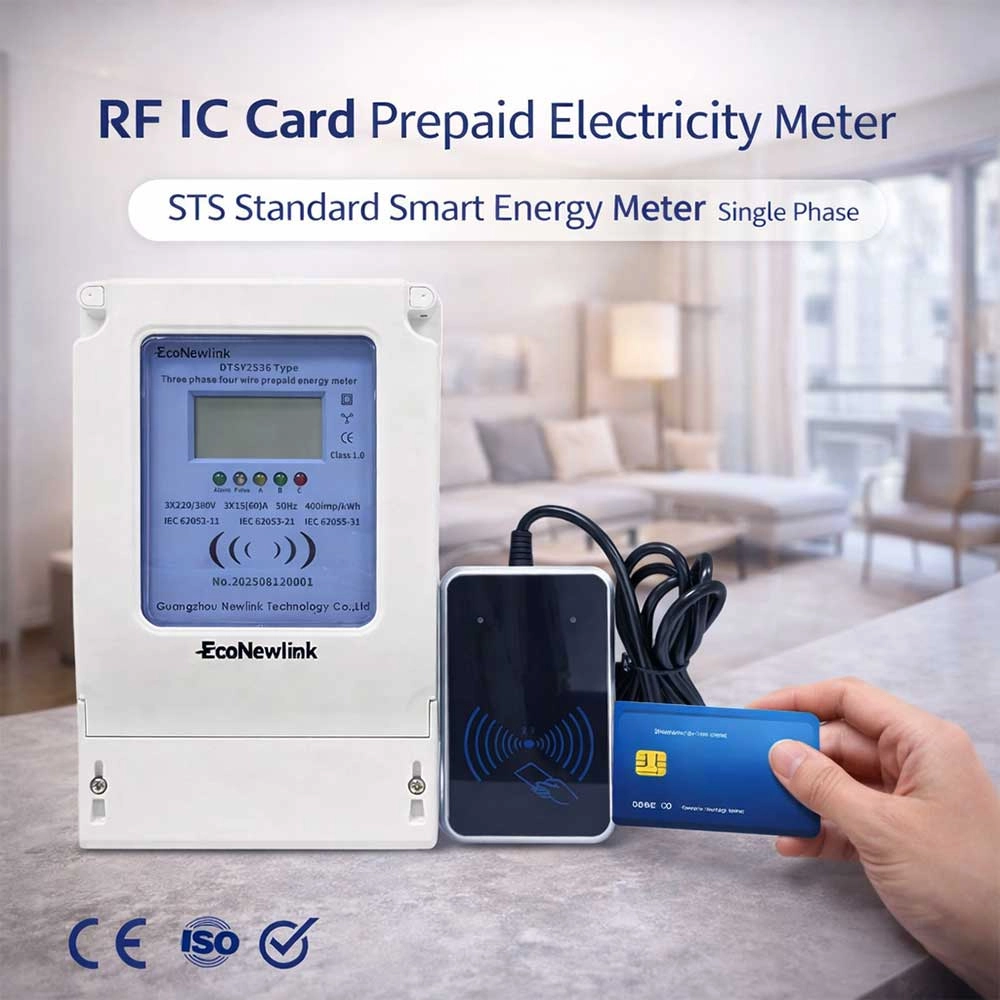
STE18-RF Prepaid IC Card Energy Meter – STS Compliant RF Smart Electricity Meter for Secure Prepaid Power Management and Vending System Integration
The STE18-RF Prepaid IC Card Electricity Meter is an STS-compliant smart energy meter designed for secure and efficient prepaid power management. Using reliable RF IC card communication, the meter enables accurate electricity data storage, token-based credit management, and seamless integration with vending systems or handheld units. Its modular plug-and-play architecture supports flexible smart metering deployment while ensuring stable performance, tamper protection, and offline operation without continuous network connectivity.
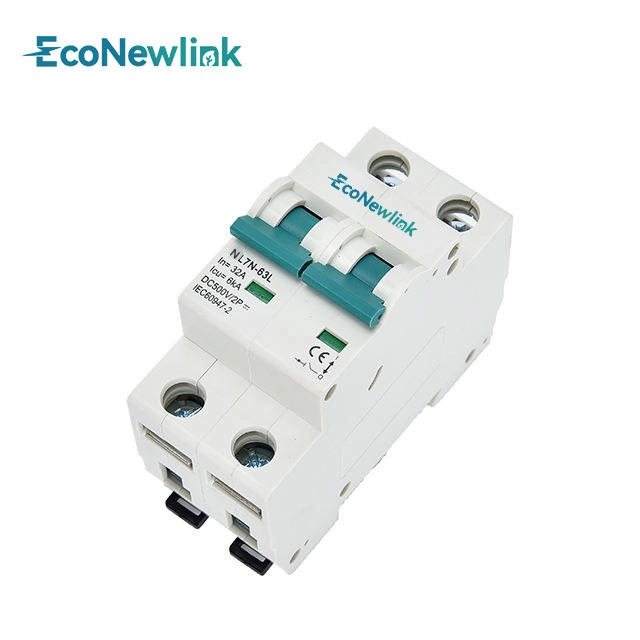
Breaking Capacity Dual Power Manual Transfer Isolating Switch Interlock MCB
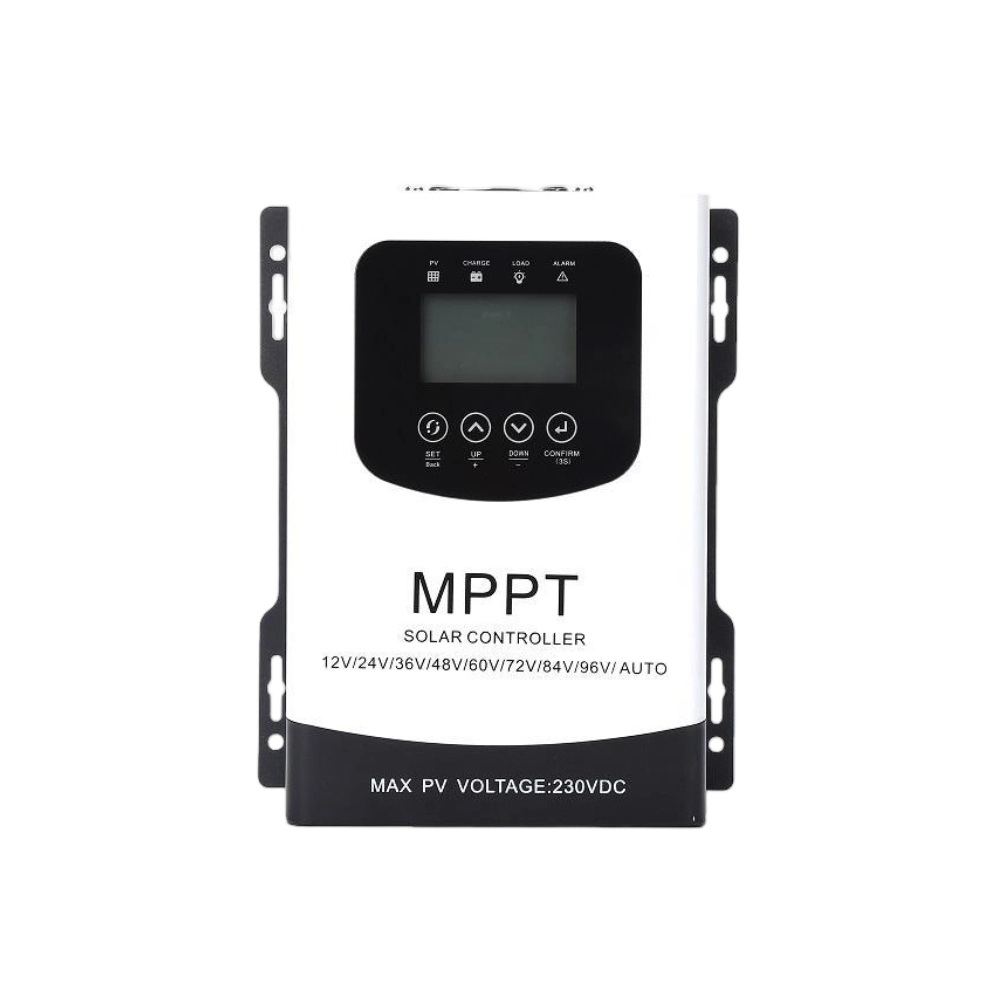
High Efficiency MPPT Solar Charge Controller for Off Grid Systems with 98% Tracking Battery Protection and RS485 Monitoring
This MPPT Solar Charge Controller is designed for off grid solar power systems, delivering up to 98% tracking efficiency to maximize photovoltaic energy utilization. It supports lead acid and lithium batteries with optimized multi stage charging to extend battery lifespan. Built in overcharge, over discharge, overload and short circuit protection ensure system safety, while the RS485 communication interface enables remote monitoring and intelligent energy management. Ideal for residential, telecom and small commercial solar applications.
Request More Information or Subscribe for Updates
Thank you for reading our article!
If you would like more detailed information, have specific questions, or want to stay updated with the latest articles and guides, please fill out the form below.
Our team will get back to you with tailored information and resources.
Powering the Future with Smart, Safe Solutions
EcoNewlink delivers cutting-edge intelligent power products and solutions to ensure safety, efficiency, and reliability in your power distribution systems.
Contact
Email: nali@newlink.ltd
WhatsApp:
Address: No.76 Chuangyu road, Zengcheng District, Guangzhou, China

 WhatsApp
EcoNewlink
EcoNewlink