





What is the electricity distribution system? | Insights by EcoNewlink
- 1) How do I size a distribution transformer to account for future load growth, harmonics and distributed generation?
- 2) How to calculate accurate fault current levels and choose switchgear/breaker ratings when distributed generation and EV chargers are present?
- 3) What are the real-world cable sizing and derating steps for industrial distribution (ambient, grouping, harmonic and short-circuit thermal limits)?
- 4) How should I specify protection coordination for a distribution network with bidirectional flows and inverter-based resources?
- 5) What power quality metrics should I require in component specs (transformers, UPS, switchgear) and how do I verify them?
- 6) What should I require during factory acceptance testing (FAT) and site acceptance testing (SAT) for distribution switchgear and breakers?
Understanding what is the electricity distribution system is essential when procuring transformers, switchgear, cables and protection devices for manufacturing applications. This guide answers six specific, technical questions beginners and procurement engineers often find under-explained online—covering transformer selection, fault calculations with distributed generation (DG), protection coordination, cable derating, power quality and factory acceptance testing (FAT). Standards referenced include IEC 60076 (transformers), IEC 60909 (short-circuit), IEEE C37 (switchgear), and IEC 61000 (power quality).
1) How do I size a distribution transformer to account for future load growth, harmonics and distributed generation?
Problem: Many online answers only use simple kVA-per-floor rules. Real procurement must incorporate diversity, harmonic heating, inrush, parallel operation and rooftop solar/backfeed from distributed generation (DG).
Step-by-step approach:
- Load forecast: Create a 10-year rolling peak load forecast (annual growth %) based on historical meter data and anticipated process or facility changes. Use conservative growth assumptions and scenario branches (base, high growth, energy efficiency).
- Diversity and simultaneity: Apply diversity factors per IEEE and local practice; for industrial processes with synchronous peaks, assume higher simultaneity than for mixed-use buildings.
- Harmonics and thermal effects: If nonlinear loads (VFDs, UPS, welding) are present, estimate total harmonic distortion (THD) and calculate K-factor or use IEEE/IEC guidance for transformer derating. Specify transformers with appropriate K-rating or use oversizing (commonly 10–30% depending on THD and frequency content) and consider duplex filters or active front-end drives to reduce harmonic heating.
- Inrush and magnetizing current: For multiple transformer energization sequences, ensure inrush does not cause nuisance tripping—coordinate inrush with upstream protection and consider pre-insertion resistors or controlled energization.
- Parallel operation and DG interaction: If parallel transformers or onsite generation/solar will interact, specify vector group, tap-changer ranges and phase shift requirements. Use locking or synchronizing schemes and ensure protection covers backfeed and islanding scenarios.
- Cooling and losses: Balance no-load and load-loss tradeoffs. Modern distribution transformers often have efficiencies >98% at rated load; however, for lightly loaded future scenarios, prioritize low core (no-load) losses. Reference IEC 60076 for loss measurement.
- Specification tip: Request detailed short-circuit impedance, temperature rise, K-rating or harmonic derating data, LTC (on-load tap changer) or OLTC if load variability demands it, and guaranteed efficiency curves at 25%, 50% and 100% load.
Practical outcome: A correct kVA selection accounts for growth, harmonic derating and DG, minimizing forced replacements and reducing lifecycle cost.
2) How to calculate accurate fault current levels and choose switchgear/breaker ratings when distributed generation and EV chargers are present?
Problem: Many sources give single-source short-circuit examples. In modern grids feeders can have multiple current contributors (utility, onsite DG, battery systems, EV chargers). Underestimating fault current risks underspec’d switchgear or protection miscoordination.
Procedure:
- Gather source data: Obtain utility short-circuit MVA at POI and X/R ratios. For onsite generators, battery inverters and solar inverters, get symmetrical fault contribution models (typically limited and inverter-specific) and persistent contribution levels per vendor data.
- Model per IEC 60909 / IEEE 141: Use standard short-circuit calculation methods to compute prospective fault currents at each bus. Include contribution from synchronous machines (fuel generators) and converter-interfaced resources (which often provide limited fault contribution and behave as current-limited sources).
- Consider X/R ratios: These affect DC offset and peak asymmetrical currents—important for mechanical stress ratings of breakers and busbars.
- Select equipment ratings: Choose switchgear and circuit breaker interrupting/short-time withstand ratings that exceed worst-case prospective fault current by a safety margin. Include closing ratings and stress due to multiple breakers operating in fast succession (restrike possibilities).
- Coordination with protection: Define time-current characteristic (TCC) curves for relays and fuses to ensure selective clearing. Account for DG contribution which may reduce selectivity—use directional protection for feeders with bidirectional flows.
- Periodic re-evaluation: Recalculate if new DG, battery storage, EV fast-charging stations, or utility upgrades are connected—these change fault levels materially.
Practical numbers: Typical MV distribution voltages are 11–33 kV and LV is 400/230 V. Prospective fault currents can vary widely—always use measured or utility-provided values rather than rule-of-thumb estimates.
3) What are the real-world cable sizing and derating steps for industrial distribution (ambient, grouping, harmonic and short-circuit thermal limits)?
Problem: Online ampacity tables alone ignore installation conditions. Underestimating derating causes overheating; oversizing increases cost unnecessarily.
Checklist for correct cable selection:
- Base ampacity: Start with manufacturer/standard ampacity tables (IEC/NEC).
- Ambient and grouping derating: Apply correction factors for ambient temperature, number of conductors in a conduit, trefoil arrangement, and thermal resistivity of soil for buried cables.
- Harmonic heating: For significant harmonic currents (VFDs, nonlinear loads), calculate RMS heating effect and use an equivalent continuous current (Ieq) to determine thermal stress. Consider oversized conductors or harmonic filters to reduce RMS heating.
- Inrush and short-circuit withstand: Ensure conductor and termination materials can withstand mechanical and thermal stress from short-circuit currents—verify short-time ratings (1s, 2s) and let-through energy (I²t).
- Voltage drop: Check voltage drop for longest feeders; maintain within site or statutory limits (often 3–5% for LV feeders). For long runs prioritize larger conductors or higher distribution voltage.
- Installation type: Distinguish between cable tray, buried, conduit, free-air—each has different cooling and derating implications.
- Testing and documentation: Require factory and on-site insulation resistance tests, power factor/tan delta for long XLPE or EPR cables, and thermal imaging after commissioning.
Result: Proper cable specification reduces failures, avoids nuisance trips, and ensures safe operation under harmonics and overloads.
4) How should I specify protection coordination for a distribution network with bidirectional flows and inverter-based resources?
Problem: Traditional radial coordination assumes unidirectional current. With DG and bidirectional flows, time-only coordination fails; directional and adaptive schemes are often needed.
Best-practice approach:
- Protection philosophy: Define protection zones, selectivity margin and acceptable outage time. For feeders with DG, use directional overcurrent relays, voltage-sensing islanding detection and anti-islanding schemes for inverters.
- TCC and simulations: Produce complete TCC studies that include DG contribution, utility fault contribution, and realistic reclosing sequences. Use relay vendor software and power system simulators to validate coordination under multiple scenarios.
- Adaptive protection: Consider adaptive or communication-assisted protection (IEC 61850 GOOSE, teleprotection) where DER penetration is high. Adaptive schemes can change protection settings automatically with network topology changes.
- Selectivity with fuses: Use current-limiting fuses and sectionalizers carefully—DG contributions can prevent proper fuse discrimination. Where needed, add directional sensing or recloser logic.
- Testing and commissioning: Perform primary injection testing for relay calibration and end-to-end tests with simulated DG injections when possible.
Outcome: Specifying directional relays, communications-enabled protection and thorough TCC studies prevents widespread outages and nuisance operations in modern distribution networks.
5) What power quality metrics should I require in component specs (transformers, UPS, switchgear) and how do I verify them?
Problem: General procurement lists “low harmonics” or “good power factor” without measurable acceptance criteria, leading to disputes post-installation.
Actionable requirements:
- Define measurable metrics: Specify limits for voltage THD (e.g., <5% LV or per local code), individual harmonic orders, flicker (Pst), voltage unbalance (<2–3%), and supply voltage tolerances.
- Transformer and UPS specs: Require harmonic impedance data, K-factor or harmonic derating for transformers, and UPS output THD and crest factor. Specify power factor correction equipment ratings where needed.
- Switchgear and filters: If VFDs and nonlinear loads exist, require active or passive harmonic filters with documented insertion loss and THD performance under loading ranges.
- Verification: Include acceptance tests—power quality logging for 7–14 days under representative loading to capture transient and steady-state behavior. Use calibrated PQ analyzers and provide certification reports per IEC 61000 series.
- Warranty and corrective clauses: Put remediation requirements in contract if measured THD, flicker or voltage unbalance exceed specified limits during commissioning or within the warranty period.
Benefit: Clear PQ acceptance criteria protect production quality and reduce downtime caused by sensitive equipment tripping or premature motor heating.
6) What should I require during factory acceptance testing (FAT) and site acceptance testing (SAT) for distribution switchgear and breakers?
Problem: FAT is often perfunctory. Missing tests lead to site rework, acceptance delays and reliability issues.
FAT & SAT checklist (must-have items):
- Documentation review: Nameplate data, wiring diagrams, protection settings, factory test certificates, material certificates and paint/coating specs.
- Primary and secondary injection tests: Perform primary injection on breakers and CTs to verify interrupting capability and secondary injection for protection relay logic, TCC validation and settings backup.
- Mechanical and interlock tests: Verify operation of racking mechanisms, interlocks, earthing switches and motor operators. Cycle counts should be logged.
- Insulation and power frequency tests: Megger insulation resistance, power frequency withstand and partial discharge tests for MV switchgear as applicable per IEC/IEEE.
- Functional test with simulated network conditions: Simulate short-circuit levels, remote control via SCADA/IEC 61850, interlocking with adjacent equipment, and communication interfaces (Modbus, IEC 61850 GOOSE/MMS).
- Witness and traceability: Require vendor to provide test data traceable to manufacturer test benches and allow buyer’s engineer (or third party) to witness tests and retain signed reports.
- Spares and commissioning support: Ensure critical spare parts list, factory-trained commissioning support hours, and firmware/relay setting backups are included.
Result: A thorough FAT/SAT minimizes on-site surprises, ensures protection and control interoperability, and shortens commissioning time.
Concluding summary: Modern electricity distribution systems—incorporating smart-grid telemetry, distributed generation, advanced protection and power-quality controls—give manufacturers better reliability, lower losses and improved operational flexibility. Advantages include improved uptime, optimized transformer and cable lifecycle costs, reduced thermal issues from harmonics, and clearer procurement risk management when FAT/SAT and performance metrics are enforced.
Contact us for a quote and tailored specification support at nazdg5vp.gooeyun.com or email nali@newlink.ltd.
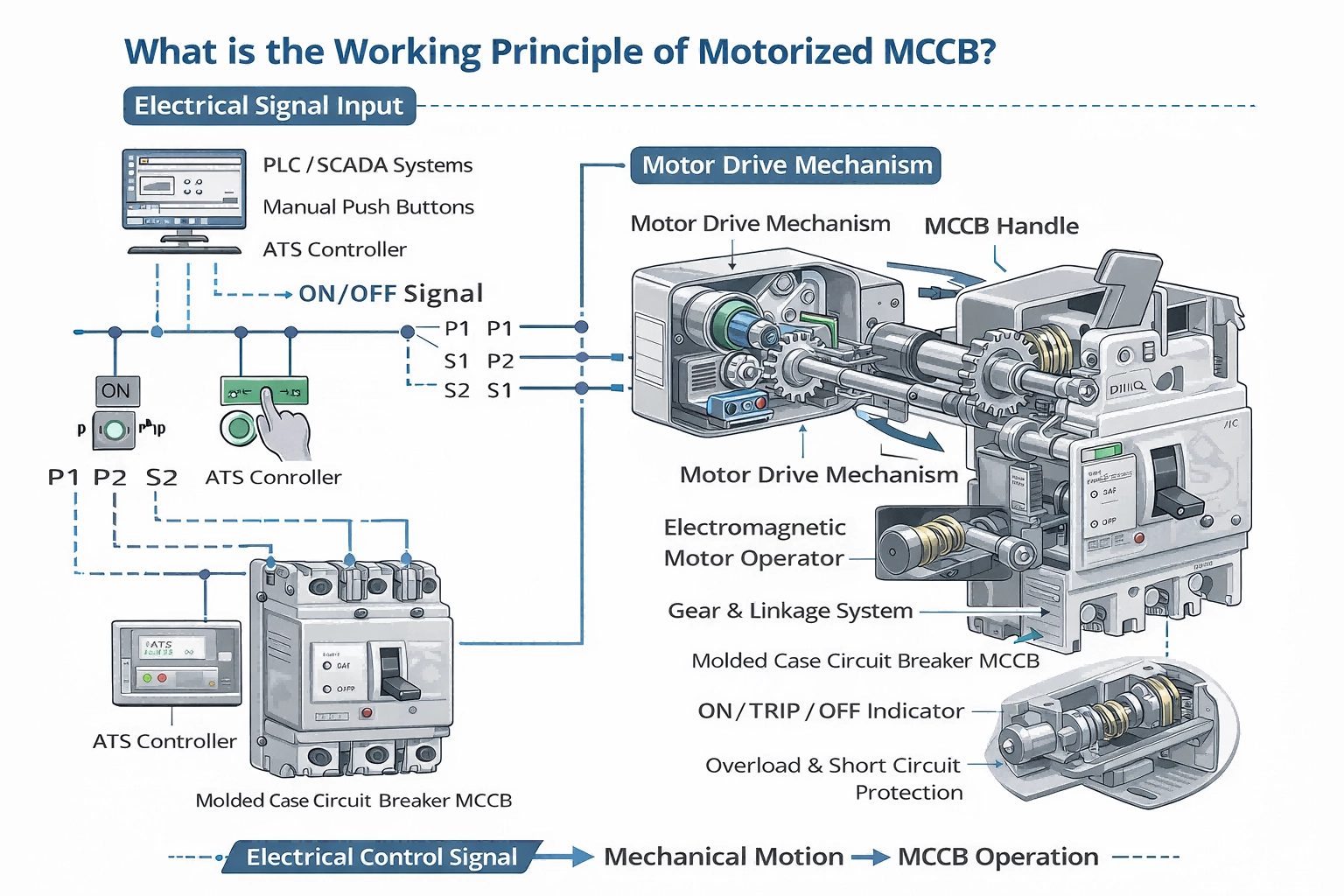
How to Use a Motorized MCCB Circuit Breaker for Remote Control and ATS Systems
30-Day DIY Electrical Panel Cost-Saving Guide – Day 3

30-Day DIY Electrical Panel Cost-Saving Guide – Day 2
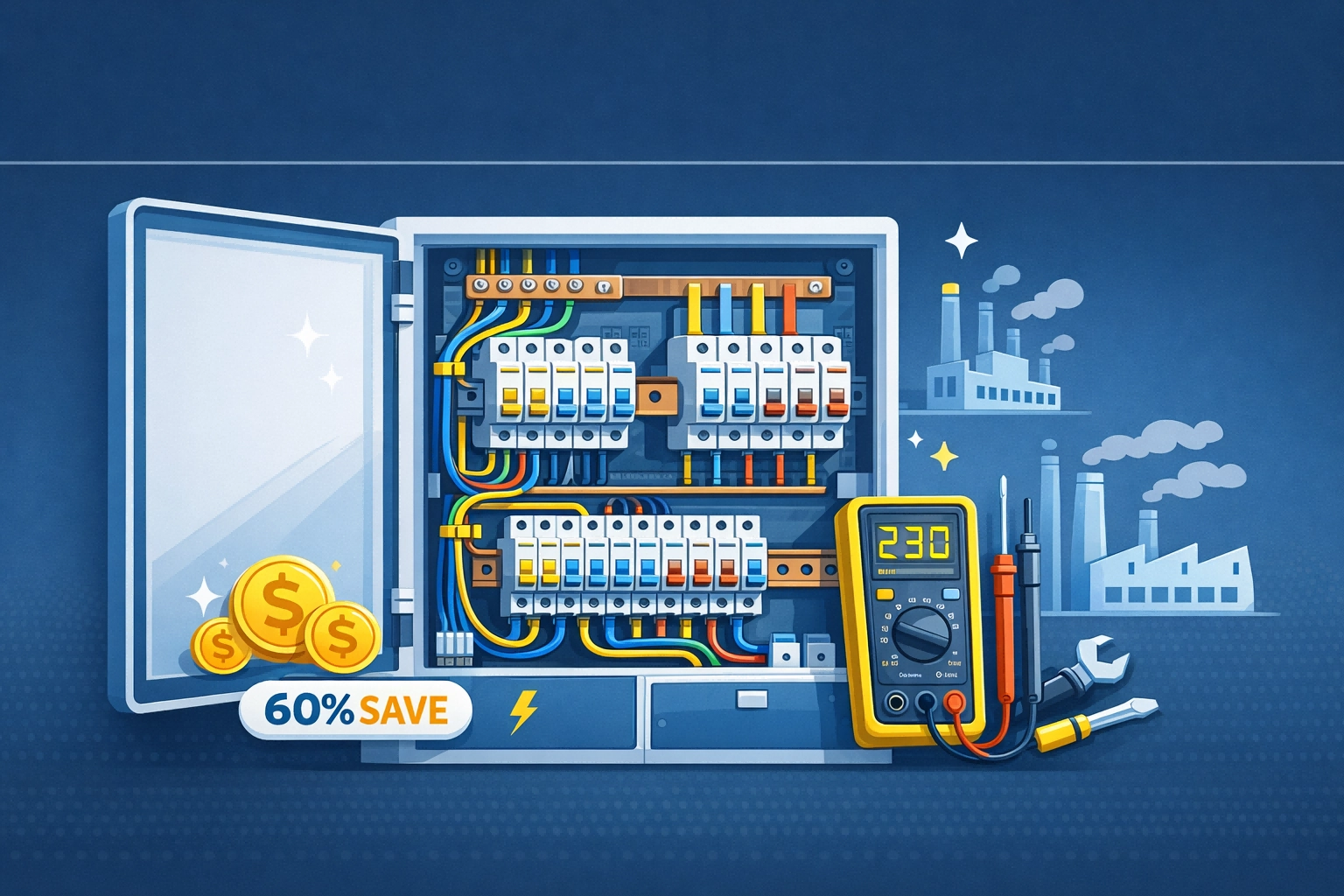
How to Build Your Own Electrical Panel and Save Up to 60% on Costs
NLDM1 Molded Case Circuit Breaker(MCCB)
What standards does the MCCB comply with?
It complies with IEC 60947-2 and GB 14048.2 standards.
Three-phase power meter
Are OEM/ODM services available?
Yes, factory-direct OEM and ODM services are available for branding and functional customization.
Logistics
Do you offer DDP (Delivered Duty Paid) shipping service?
Yes, we can provide DDP shipping solutions, especially for regions such as:
- Europe
- Southeast Asia
- Middle East
- North America
Under DDP terms:
- We handle shipping, customs clearance, and import duties
- Customers receive goods directly without extra charges
This is ideal for clients who want a hassle-free, door-to-door delivery experience.
Current Transformer(CT)
Is secondary grounding required during installation?
Yes. One side of the secondary winding must be reliably grounded to ensure safety and prevent dangerous open circuit conditions.
Three-phase multifunction guide rail meter
What standards does the product comply with?
It complies with GB/T 17215, GB/T 17883, and CE certification requirements.
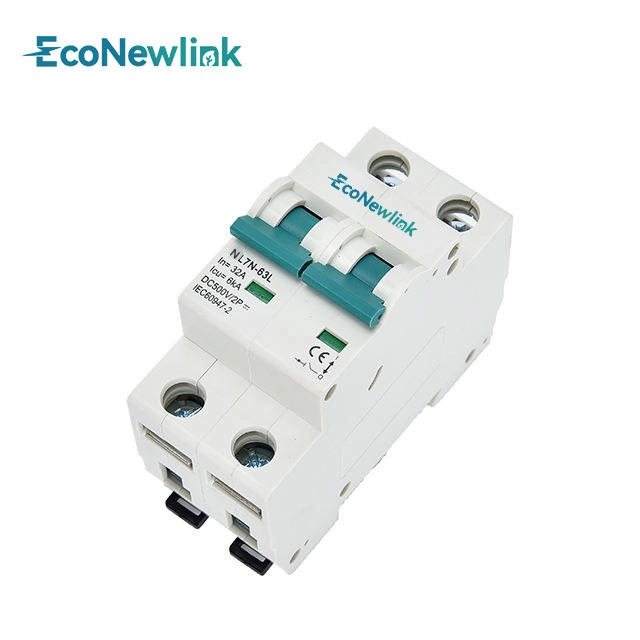
Breaking Capacity Dual Power Manual Transfer Isolating Switch Interlock MCB
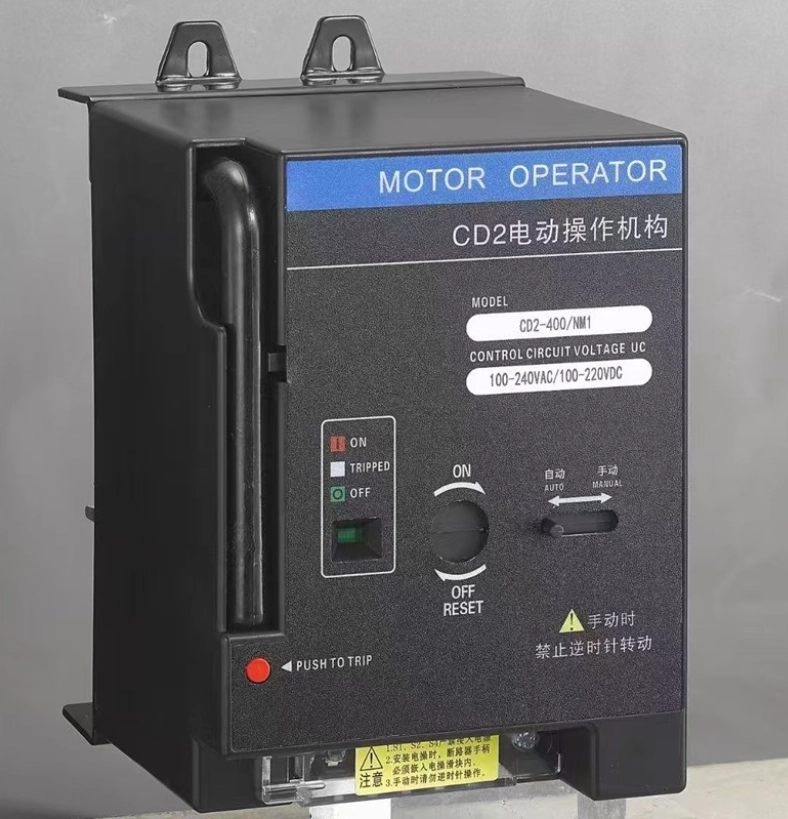
LCD2 Motorized MCCB Circuit Breaker with Remote Control | Molded Case Circuit Breaker for ATS Generator Power Distribution
NLCD2 motorized MCCB is designed for remote switching and automation control in low-voltage power systems. It supports AC/DC control voltage, fast operation, and reliable mechanical coupling, ideal for industrial panels, ATS systems, and smart energy applications.
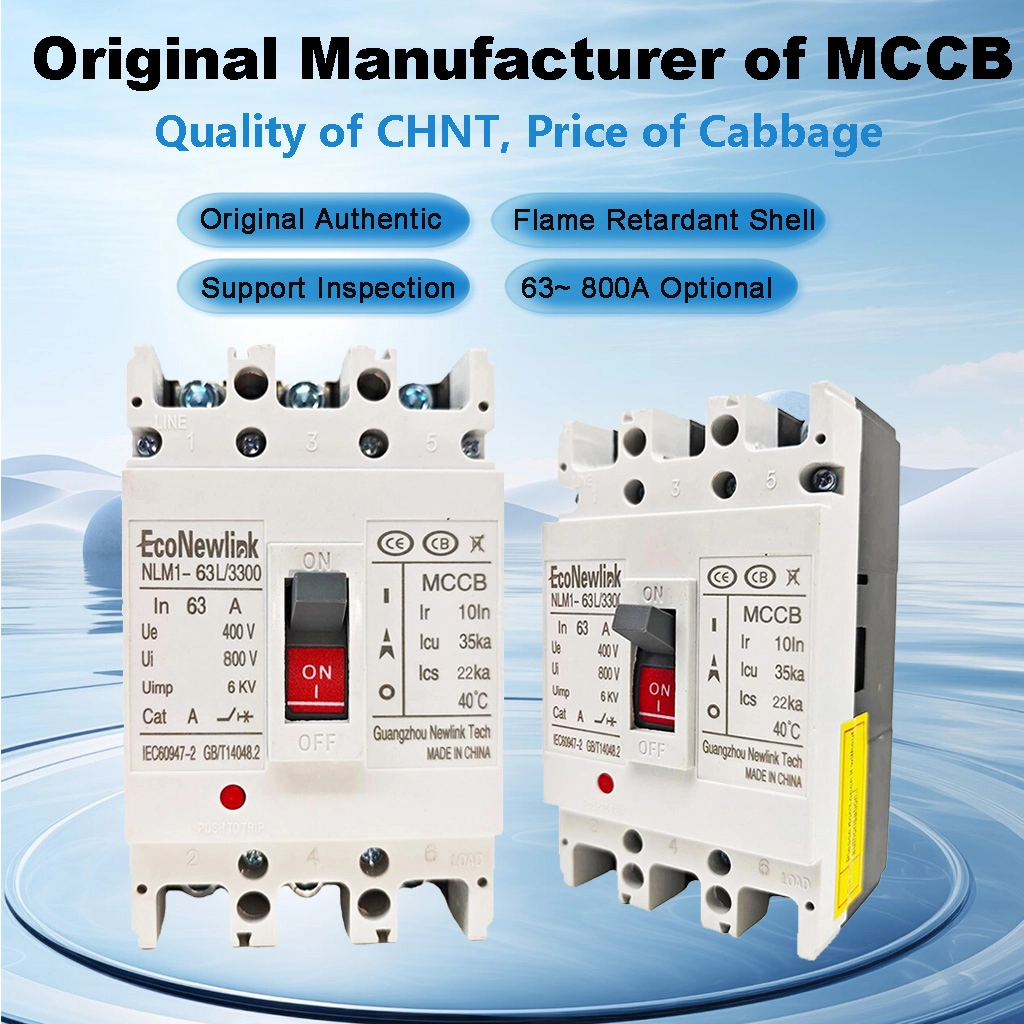
M1 / NLDM1 Series Moulded Case Circuit Breaker MCCB Manufacturer | 400V–1000V | 10A–2000A | High Breaking Capacity
The M1 / NLDM1 Series moulded case circuit breaker (MCCB) is designed for AC power distribution up to 1000V and 2000A. It provides overload, short circuit and undervoltage protection with high breaking capacity, compact design and modular accessories. Ideal for industrial, commercial and motor protection applications.
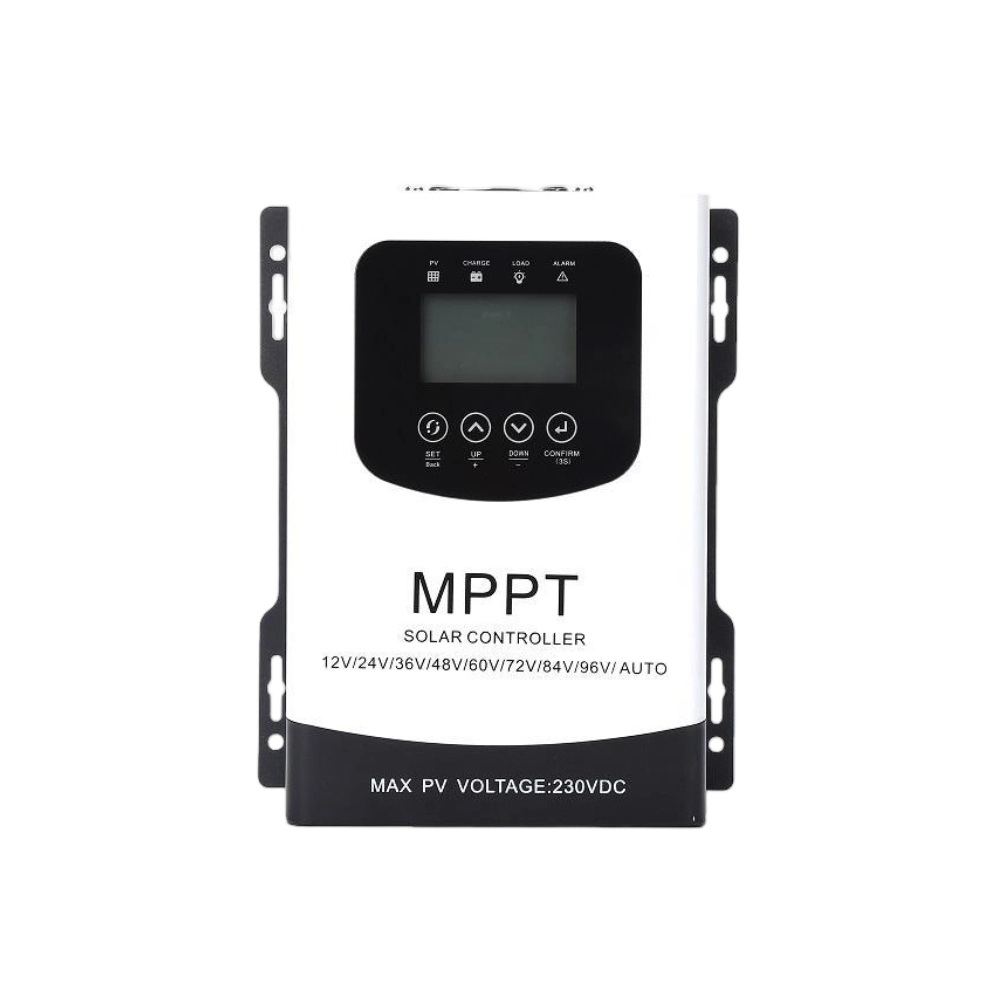
High Efficiency MPPT Solar Charge Controller for Off Grid Systems with 98% Tracking Battery Protection and RS485 Monitoring
This MPPT Solar Charge Controller is designed for off grid solar power systems, delivering up to 98% tracking efficiency to maximize photovoltaic energy utilization. It supports lead acid and lithium batteries with optimized multi stage charging to extend battery lifespan. Built in overcharge, over discharge, overload and short circuit protection ensure system safety, while the RS485 communication interface enables remote monitoring and intelligent energy management. Ideal for residential, telecom and small commercial solar applications.
Request More Information or Subscribe for Updates
Thank you for reading our article!
If you would like more detailed information, have specific questions, or want to stay updated with the latest articles and guides, please fill out the form below.
Our team will get back to you with tailored information and resources.
Powering the Future with Smart, Safe Solutions
EcoNewlink delivers cutting-edge intelligent power products and solutions to ensure safety, efficiency, and reliability in your power distribution systems.
Contact
Email: nali@newlink.ltd
WhatsApp:
Address: No.76 Chuangyu road, Zengcheng District, Guangzhou, China

 WhatsApp
EcoNewlink
EcoNewlink