





Single-Phase Ammeter with RS485 Modbus for Panels — Accurate, Networked Current Measurement

- How to integrate a panel-mounted single-phase ammeter with RS485 Modbus into your control system
- How to wire the RS485 Modbus ammeter for reliable communication
- How to configure Modbus registers and address settings for SCADA integration
- How to place the ammeter in a panel for serviceability and cooling
- Why choose a Modbus-enabled single-phase ammeter for modern panels
- Why Modbus RTU over RS485 is preferred for meter-to-SCADA communication
- Why panel builders benefit from digital telemetry instead of analog outputs
- Why accuracy class and CT selection matter for billing and protection
- How to select the right single-phase ammeter model and configuration
- How to match current range and CT ratio to your application
- How to verify compatibility with panel form factor and mounting standards
- How to check certifications and lifecycle support for procurement risk reduction
- How to maintain, troubleshoot, and optimize your Modbus ammeter deployment
- How to perform field calibration and verify meter accuracy
- How to diagnose common Modbus and RS485 communication faults
- How to use meter alarms and data logging to reduce downtime
- FAQs
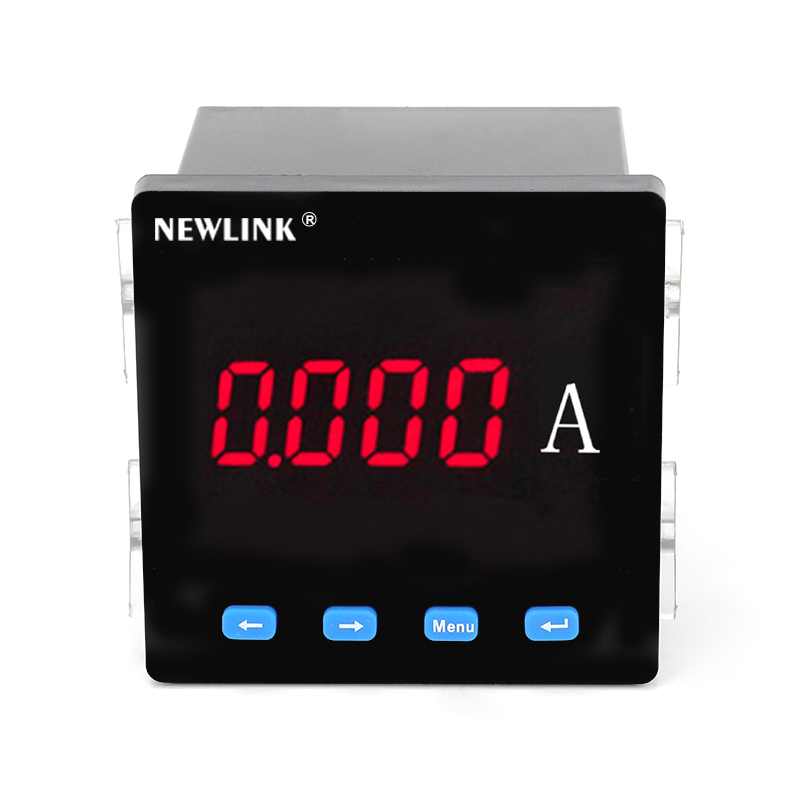
Single-Phase Ammeter with RS485 Modbus for Panels — Accurate, Networked Current Measurement
This article explains how a panel-mounted single-phase ammeter with RS485 Modbus connectivity transforms current monitoring for electrical panels, distribution boards, and SCADA systems. It summarizes integration steps, communication best practices, accuracy and safety considerations, and procurement tips that help electrical panel builders, EPC contractors, and system integrators select and deploy the right instrument for real-time current measurement and reliable Modbus RTU telemetry.
How to integrate a panel-mounted single-phase ammeter with RS485 Modbus into your control system
How to wire the RS485 Modbus ammeter for reliable communication
Wire the ammeter's RS485 A/B pair twisted and shielded to the Modbus network, keep terminations only at both ends, and maintain a common ground reference to prevent floating voltages. For long runs, use biasing resistors or the meter's onboard bias options to avoid false idle states; standard wiring practices per RS-485 guidance reduce noise and ensure robust communication (RS-485 signalling overview).
How to configure Modbus registers and address settings for SCADA integration
Set the meter's Modbus ID, baud rate (commonly 9600 or 19200 bps), parity, and stop bits to match your RTU/PLC. Map the current and alarm registers into your SCADA or PLC using the manufacturer's register map; many ammeters expose instantaneous current, peak, and alarm flags across Modbus holding/input registers for seamless polling and archival.
How to place the ammeter in a panel for serviceability and cooling
Mount the panel ammeter at eye level for easy reading and maintenance, leave at least 50 mm clearance above and below for thermal dissipation, and follow IP/ventilation requirements for enclosed cabinets to maintain display readability and extend component life.
Why choose a Modbus-enabled single-phase ammeter for modern panels
Why Modbus RTU over RS485 is preferred for meter-to-SCADA communication
Modbus RTU over RS485 is a widely supported, lightweight protocol that enables deterministic polling of multiple meters on a single pair of wires, reducing field wiring complexity and integration time; official Modbus guidelines and device interoperability are documented by the Modbus Organization (Modbus Organization — protocol resources).
Why panel builders benefit from digital telemetry instead of analog outputs
Digital Modbus telemetry transmits full-value resolution and status flags (alarms, reverse current, loss of CT) without signal degradation over distance, whereas analog outputs often require additional converters and are more prone to noise and calibration drift. Digital meters simplify commissioning and reduce spare-part inventories.
Why accuracy class and CT selection matter for billing and protection
Choose an ammeter with an accuracy rating compatible with your application (for monitoring ±0.5% is typical for power monitoring; protection or revenue metering may require higher classes). Select CTs with rated primary currents that place normal load readings near the CT’s optimal range to minimize measurement error and harmonic distortion effects.
How to select the right single-phase ammeter model and configuration
How to match current range and CT ratio to your application
Determine the maximum continuous load current and choose a CT ratio that keeps most operational currents between 20%–80% of CT rating for best linearity. For example, a 0–100 A load often pairs well with a 100/5 CT feeding the ammeter’s 5 A input or a direct 100 A input if supported.
How to verify compatibility with panel form factor and mounting standards
Confirm front-panel cutout dimensions (common panel meters use 96x96 mm or 72x72 mm standard sizes) and IP/IK ratings for the intended environment. Panel seal gaskets, bezel finishes, and cutout compatibility speed assembly and ensure consistent cabinet aesthetics.
How to check certifications and lifecycle support for procurement risk reduction
Request certificates like CE and RoHS and review the supplier’s production capacity, warranty terms, and firmware update policies. Align procurement with vendors who provide traceable quality processes (ISO 9001) and long-term spare availability to reduce lifecycle risk; organizations like ISO provide quality management guidance (ISO 9001 — Quality management).
How to maintain, troubleshoot, and optimize your Modbus ammeter deployment
How to perform field calibration and verify meter accuracy
Verify meter readings against a calibrated reference clamp meter or secondary standard at several load points including low (10%), nominal (50%), and high (90%) currents. Document any offset, and if the device supports calibration coefficients via Modbus registers, apply corrections during commissioning for best accuracy.
How to diagnose common Modbus and RS485 communication faults
Check wiring continuity, termination resistors, and biasing, then validate serial settings (baud, parity, address). Use a USB-to-RS485 adapter and a Modbus scanner to read registers; persistent CRC errors point to wiring or grounding issues rather than firmware faults.
How to use meter alarms and data logging to reduce downtime
Enable threshold alarms for overcurrent, reverse current, and communication loss to trigger PLC interlocks or SMS/SCADA alerts. Use periodic polling and historic trend logging in your SCADA to spot slow changes (e.g., a 10% rising current trend over weeks) before failures occur.
For a ready-to-integrate option, consider the Single-phase Ammeter with RS485 Modbus for Panel, which is designed for straightforward panel mounting, Modbus RTU connectivity, and fast commissioning for intelligent power distribution systems.
Authoritative resources for protocol and signalling practices include the RS-485 specification summary and Modbus technical documentation, which support robust implementations (Modbus protocol overview, RS-485 electrical standard summary). For industry and power instrumentation context, consult the IEEE Power & Energy Society guidance on instrumentation and monitoring (IEEE Power & Energy Society).
FAQs
What communication protocol does the ammeter support?
The ammeter supports Modbus RTU over RS485. This enables multi-drop polling and integration with SCADA/PLC systems using standard Modbus registers for current and alarm data.
How do I set the baud rate and address for Modbus?
You set the baud rate (typically 9600, 19200, or up to 115200 bps) and the Modbus slave ID via the ammeter's front panel or configuration registers; match these with your master device for successful polling.
Can this ammeter measure peak and average current values?
Yes, the meter reports instantaneous, peak, and averaged current values through dedicated Modbus registers for trend analysis and alarm logic in your monitoring system.
Why is CT selection important for measurement accuracy?
Correct CT selection keeps operating currents within the CT’s optimal range and minimizes errors; for example, pairing a 100 A load with a 100/5 CT yields accurate readings and simplified connections.
How often should the ammeter be recalibrated?
Recalibrate every 12–24 months for critical monitoring; non-critical applications may extend intervals based on stability, usage, and site verification records.
Is the ammeter suitable for outdoor or humid environments?
Use a version with appropriate IP rating for outdoor panels; ensure the enclosure has the required ingress protection and environmental sealing for the site.
If you need technical specifications, firmware, or OEM/ODM integration support, contact our sales and engineering team at nali@newlink.ltd for datasheets, Modbus register maps, and procurement guidance.
Top low voltage fuse Manufacturers and Suppliers
Top current transformer Manufacturers and Suppliers
Best digital electric energy meter manufacturers and supplier brands in us
Top digital panel meter Manufacturers and Suppliers
STE18-RF Prepaid IC Card Energy Meter
How do users recharge the electricity meter?
Users can recharge electricity credit through a vending system, recharge station, handheld unit (HHU), or authorized platform. After payment, the credit is written to the IC card and transferred to the meter.
Tuya WiFi Smart Recloser
Does it support voice control?
Yes. The device is compatible with Amazon Alexa and Google Assistant for voice control.
Energy Meter Single-Phase Ammeter
Does this meter support communication?
Yes, RS485 communication with MODBUS-RTU protocol is available as an optional feature.
MCCB NLECB-250
Is the product waterproof?
Yes, the housing is designed for outdoor photovoltaic environments with enhanced sealing and weather resistance.
Photovoltaic DC circuit breaker DC MCB
Is it suitable for solar PV protection?
Yes, it is designed for DC photovoltaic circuits.
You May Also Like
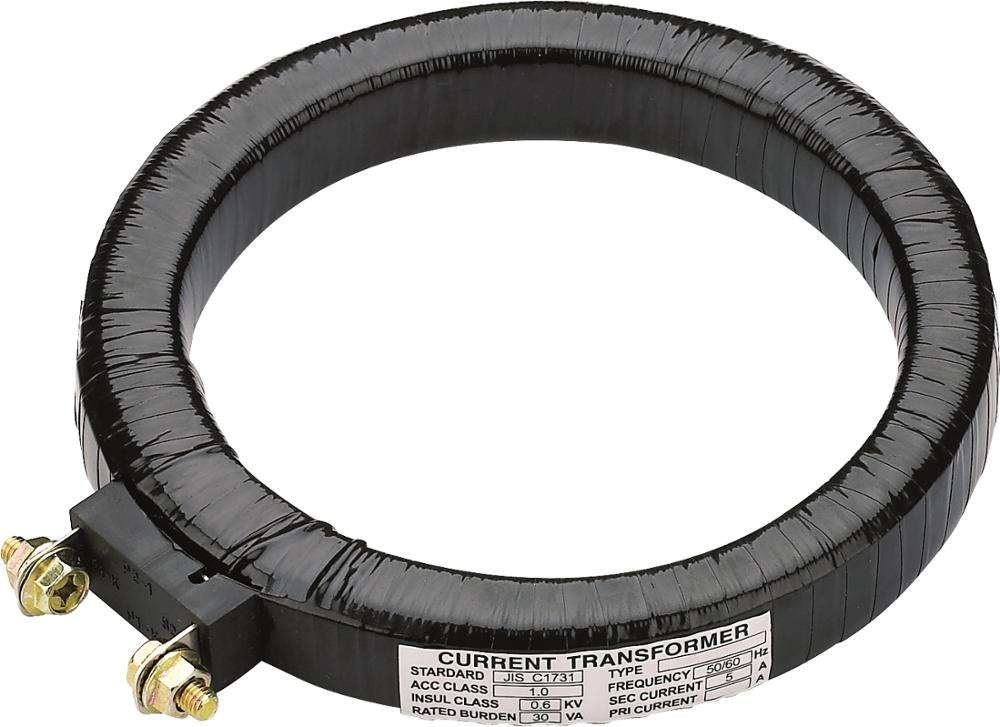
EcoNewlink High Accuracy 720 V Busbar AC DC Current Transformer 400 to 5 A 220 V Ammeter
Fixing system: Busbar support mounting, metallic bracket panel mounting, by an accessory directly to cable by
MEASURING TRANSFORMERS
A range of (12 frames) compact design plastic case current transformer It's volume is much smaller than genera model, integral hinged plate terminal cover, DIN rail mounting all makes this series CT match the requiremens
-These transformers are used for measuring current from 5A to 4000A, second current 5A/1A, cl. 1-cl02s. Busbar
dimensions from omm to 30X100mm
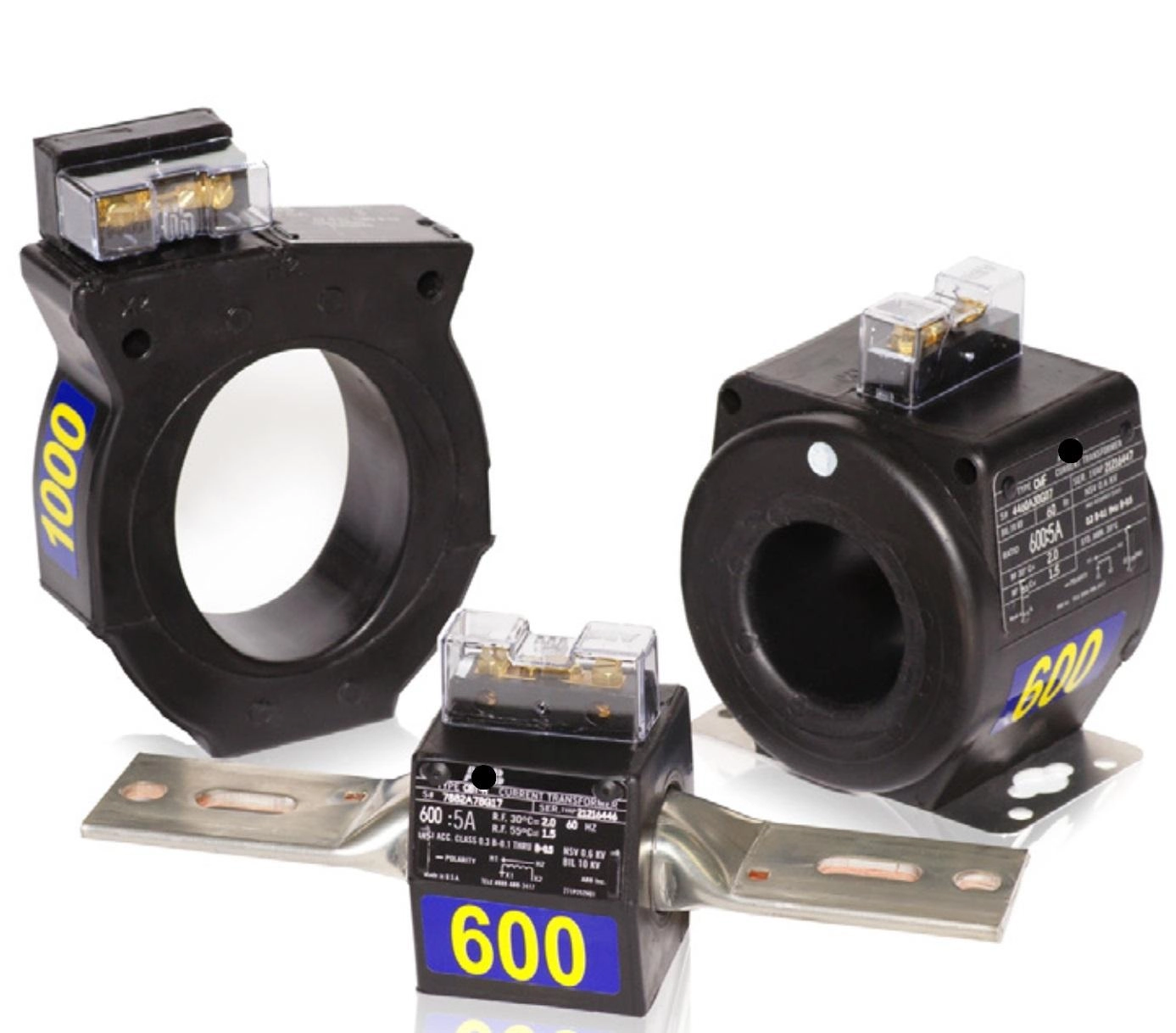
Low-voltage Current Transformer Extended Range Current Transformer (erct) Revenue Metering // window-type Current Transformer 0.2s
Low-voltage Current Transformer Extended Range Current Transformer (erct) Revenue Metering // window-type Current Transformer 0.2s
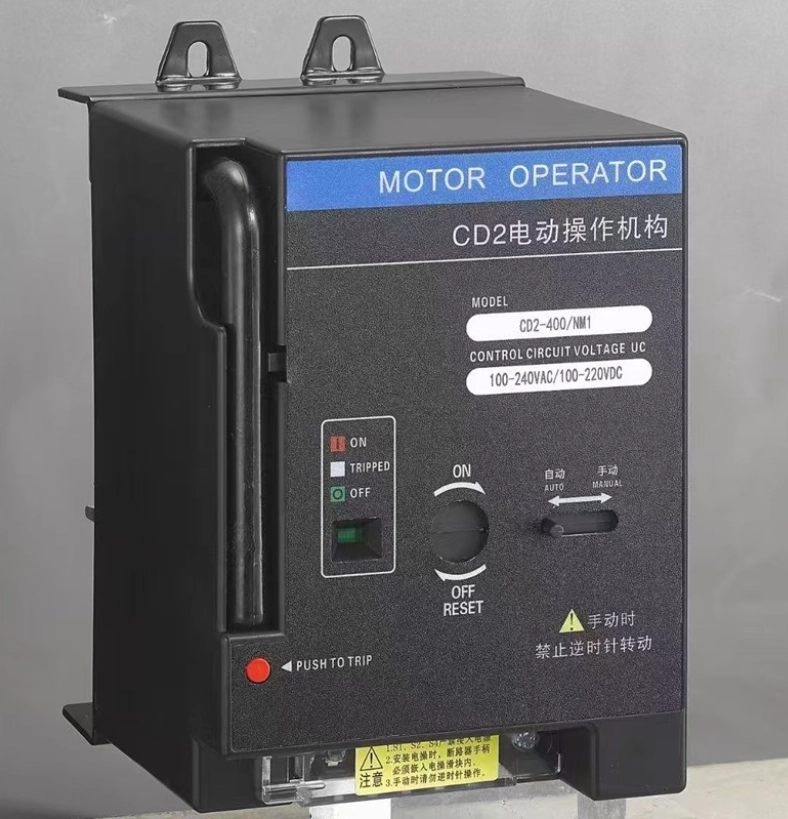
LCD2 Motorized MCCB Circuit Breaker with Remote Control | Molded Case Circuit Breaker for ATS Generator Power Distribution
NLCD2 motorized MCCB is designed for remote switching and automation control in low-voltage power systems. It supports AC/DC control voltage, fast operation, and reliable mechanical coupling, ideal for industrial panels, ATS systems, and smart energy applications.
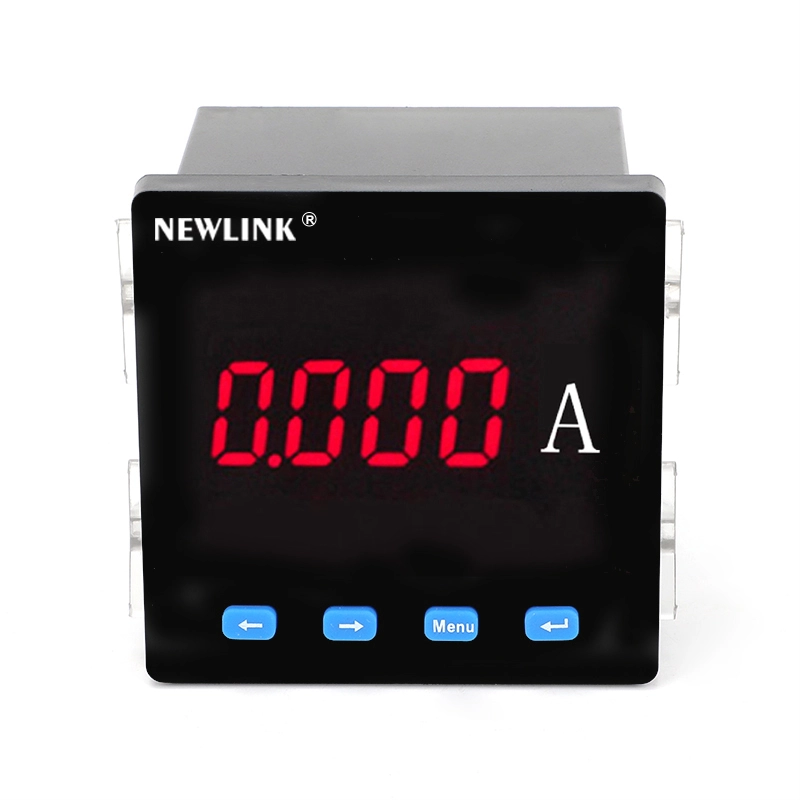
Single Phase Digital Ammeter with RS485 Modbus | LED LCD Panel Current Meter for Industrial Power Monitoring
High-precision single phase digital ammeter with RS485 Modbus communication, LED/LCD display, and programmable CT ratio. Ideal for power systems, automation equipment, and industrial monitoring applications.
Get A Free Business Quote
Looking for a reliable electrical supplier for your next large-scale engineering project?
We are committed to providing you with tailored low-voltage solutions and exact factory-direct pricing.
Fill out the form below to request technical specifications, discuss OEM/ODM partnerships, or get bulk pricing for our wholesale power meters, MCCBs, and fuses.
Our dedicated technical sales team will review your requirements and respond within 24 hours.
Powering the Future with Smart, Safe Solutions
EcoNewlink delivers cutting-edge intelligent power products and solutions to ensure safety, efficiency, and reliability in your power distribution systems.
Contact
Email: nali@newlink.ltd
WhatsApp:
Address: No.76 Chuangyu road, Zengcheng District, Guangzhou, China

 WhatsApp
EcoNewlink
EcoNewlink