





5 Common Low-Voltage Circuit Breakers You Should Know: MCB, MCCB, ACB, RCCB, and RCBO
Discover the 5 key low-voltage circuit breakers—MCBs, MCCBs, ACBs, RCCBs, and RCBOs—their applications, features, and why EcoNewlink provides reliable solutions for safe and efficient power distribution.
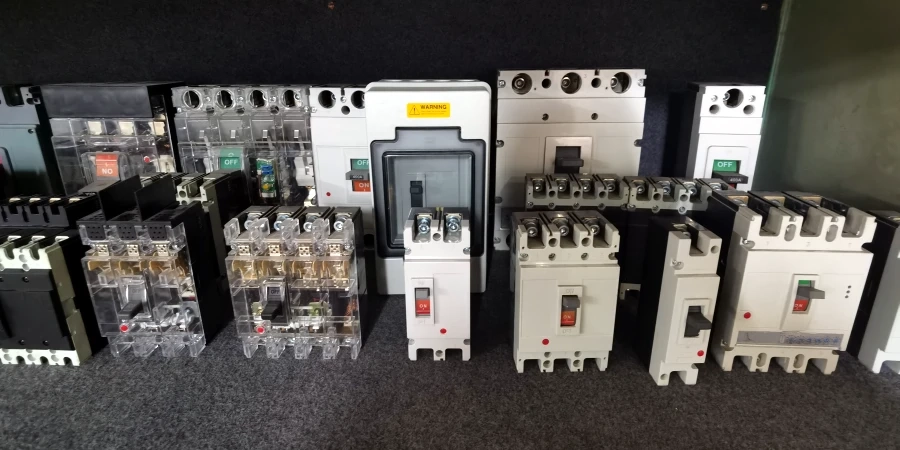
- 5 Common Low-Voltage Circuit Breakers You Should Know
- 1. Miniature Circuit Breakers (MCBs)
- 2. Molded Case Circuit Breakers (MCCBs)
- 3. Air Circuit Breakers (ACBs)
- 4. Residual Current Circuit Breakers (RCCBs)
- 5. Residual Current Breaker with Overcurrent Protection (RCBO)
- EcoNewlink Advantage
- Conclusion
- FAQ
5 Common Low-Voltage Circuit Breakers You Should Know
Electricity powers our homes, offices, and industrial systems—but when things go wrong, even a small surge can cause damage. Low-voltage circuit breakers act as the first line of defense, keeping systems safe, preventing fires, and protecting equipment.
At Guangzhou EcoNewlink Technology Co., Ltd., we provide MCBs, MCCBs, ACBs, RCCBs, RCBOs, and custom OEM/ODM power distribution solutions, serving clients worldwide in residential, commercial, and industrial sectors. With over 15 years of manufacturing experience and strict 5S-controlled automated production, we ensure every breaker meets high standards of performance and reliability.
Understanding the differences between these breakers helps engineers, panel builders, and system integrators make the right choice for each application.
1. Miniature Circuit Breakers (MCBs)
MCBs are compact, resettable devices that protect against overloads and short circuits. They have largely replaced fuses in modern installations because they can be reset instead of replaced.
- Operation: Uses a bimetal strip for thermal overloads and a magnetic coil for instantaneous short-circuit protection.
- Ratings: Up to 125A, with breaking capacities up to 25kA. Residential applications commonly use 6kA, while commercial setups may require 10kA.
- Trip Curves:
- Type B: 3–5× rated current, suitable for homes and lighting circuits
- Type C: 5–10×, for small motors or commercial loads
- Type D: 10–20×, for large motors and high inrush equipment
Applications: Residential homes, apartments, small offices, shops, and light industrial systems. MCBs save panel space, are affordable, and simple to reset.
At EcoNewlink, our MCBs are manufactured with consistent quality and strict testing, ensuring safe and reliable operation across all installations.
2. Molded Case Circuit Breakers (MCCBs)
MCCBs handle higher current and more complex industrial systems. They provide adjustable trip settings, allowing selective coordination between upstream and downstream devices.
- Current Ratings: 16A–2,500A
- Breaking Capacity: 10kA–200kA
- Features: Electronic monitoring, fault logs, IoT connectivity for predictive maintenance
Applications: Industrial power distribution, large commercial buildings, motor circuits, generators, and renewable energy systems.
EcoNewlink MCCBs offer robust protection, configurable trips, and long-term durability, suitable for demanding environments where safety and uptime are critical.
3. Air Circuit Breakers (ACBs)
ACBs are used for high-current, low-voltage industrial applications, such as main power distribution in factories, high-rise buildings, and data centers.
- Operation: Uses compressed air to extinguish arcs when contacts separate, combined with intelligent electronic trip systems.
- Current Rating: 400A–6,300A
- Breaking Capacity: 25kA–200kA
- Features: Modular design, remote monitoring, arc flash mitigation, zone-selective interlocking
Applications: Power plants, substations, industrial facilities, critical infrastructure like hospitals and airports.
EcoNewlink’s ACBs are engineered for high reliability, modular maintenance, and advanced protection, ideal for industrial and commercial projects with high fault currents.
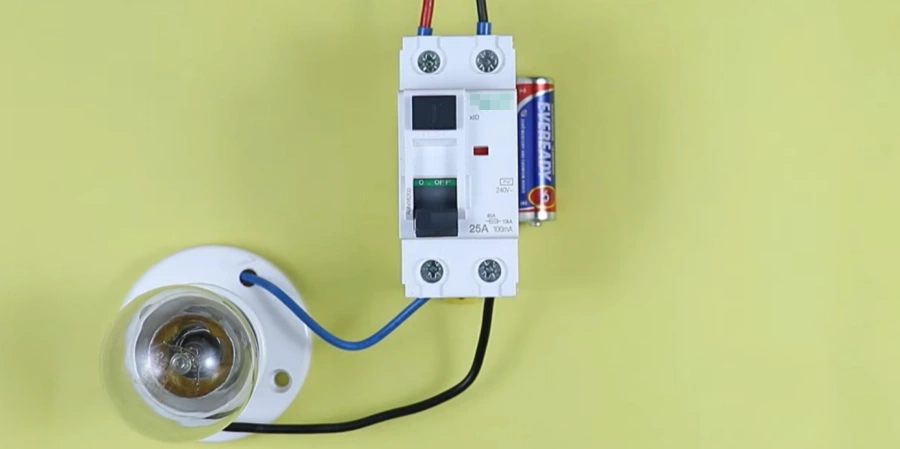
4. Residual Current Circuit Breakers (RCCBs)
RCCBs, or RCDs, protect people from electric shocks caused by leakage currents. They do not protect against overloads or short circuits.
- Operation: Detects imbalance between live and neutral currents; trips in milliseconds.
- Types:
- Type AC: Detects sinusoidal AC leakage
- Type A: AC + pulsating DC
- Type B: AC + pulsating + smooth DC (used for inverters, solar PV, EV chargers)
- Type F/S: Mixed frequency, selective protection
Applications: Bathrooms, kitchens, outdoor outlets, and offices. In industrial environments, RCCBs protect exposed personnel and critical areas.
5. Residual Current Breaker with Overcurrent Protection (RCBO)
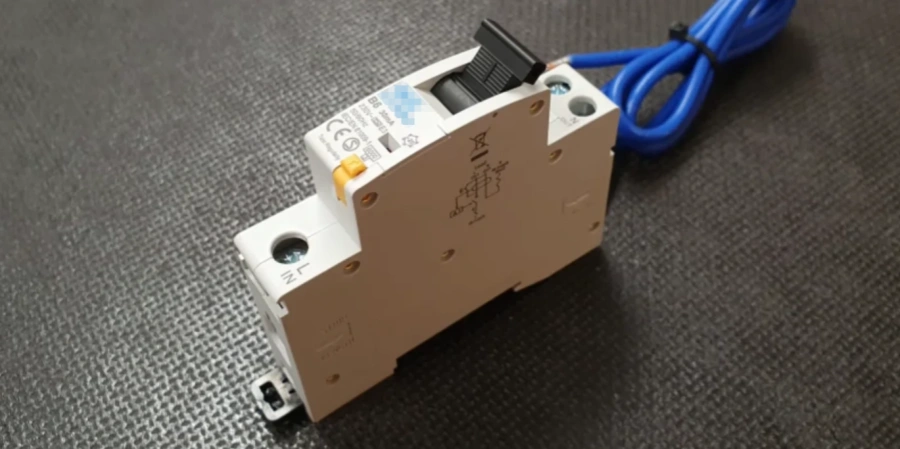
RCBOs combine RCCB and MCB functions in a single device, offering overcurrent and leakage protection per circuit.
- Operation: Independent overcurrent and residual current tripping.
- Benefits: Saves panel space, isolates only the affected circuit, simplifies wiring, improves fault management.
- Ratings: 6A–125A for residential and light commercial use, with standard 30mA personal protection.
Applications: Modern homes, offices, light industrial systems, and solar PV installations.
EcoNewlink Advantage
At EcoNewlink, our low-voltage circuit breakers are designed with:
- High-quality materials and precise manufacturing
- Full compliance with IEC, UL, and BS EN standards
- Modular designs for easier maintenance
- OEM/ODM customization for distribution boards, solar systems, and industrial panels
With 26 years of experience controlling the production chain from mold making to assembly, EcoNewlink ensures every MCB, MCCB, and ACB meets highest safety and reliability standards.
Conclusion
From homes to factories, understanding low-voltage breakers ensures safety and reliability. Each type—MCB, MCCB, ACB, RCCB, or RCBO—serves a specific purpose in overcurrent or leakage protection.
Choosing the right device and a trusted manufacturer like EcoNewlink guarantees compliance, performance, and long-term peace of mind.
Contact EcoNewlink: nali@newlink.ltd
FAQ
1. What’s the difference between MCB and MCCB?
MCBs are small, fixed-trip breakers for residential/light commercial use. MCCBs handle higher currents, allow adjustable trips, and are used in industrial systems.
2. Why are ACBs only used in low-voltage systems?
Air can efficiently interrupt arcs only up to about 1kV. Beyond that, vacuum or SF₆ breakers are used.
3. Can RCBO replace RCCB + MCB?
Yes. RCBO integrates overcurrent and residual current protection for individual circuits, saving space and simplifying panel wiring.
4. How does EcoNewlink ensure quality?
By controlling the full production chain, testing all units, and adhering to international safety standards.
5. What applications are RCCBs used for?
Personal protection in wet areas, offices, commercial spaces, and industrial zones with personnel exposure.
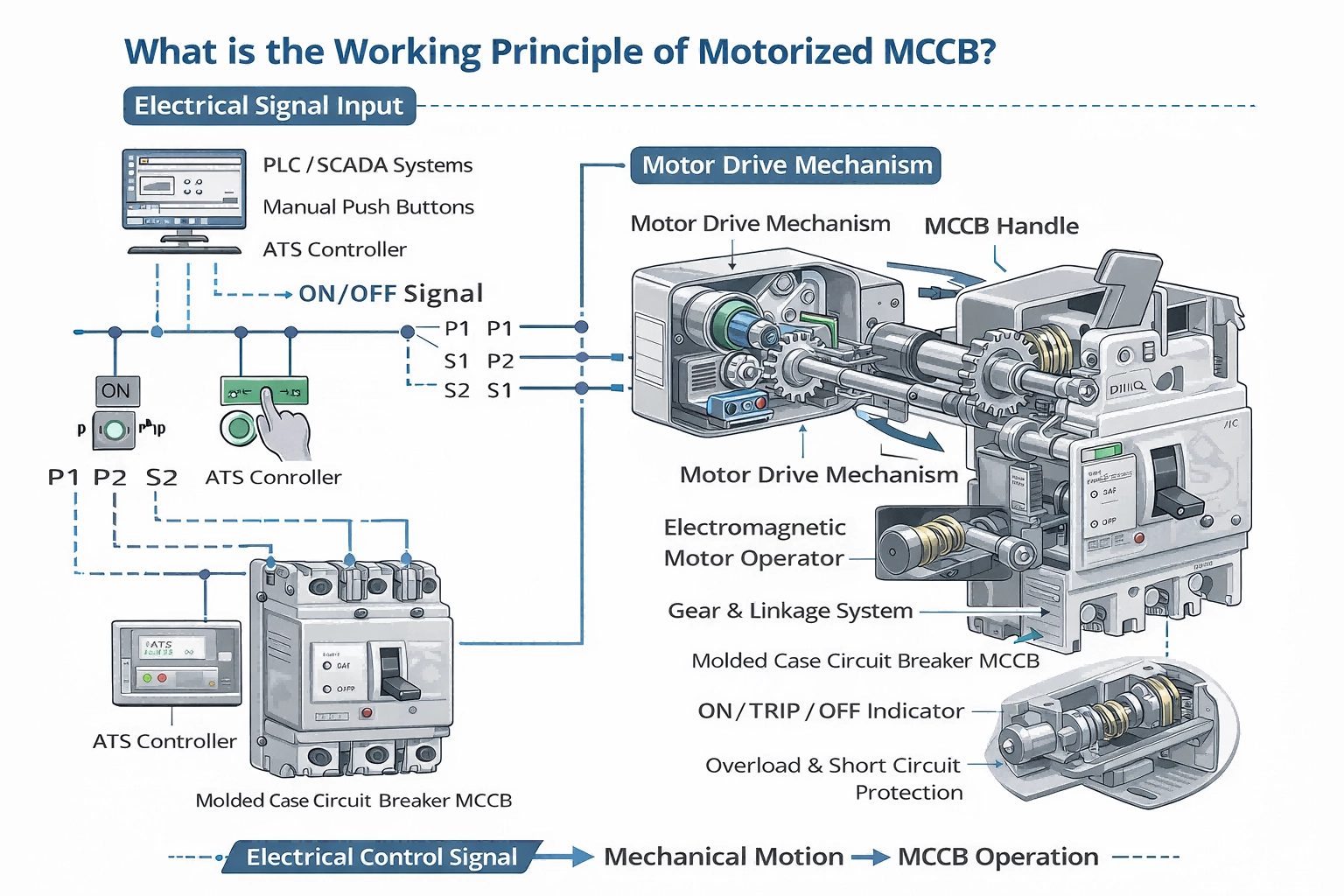
How to Use a Motorized MCCB Circuit Breaker for Remote Control and ATS Systems
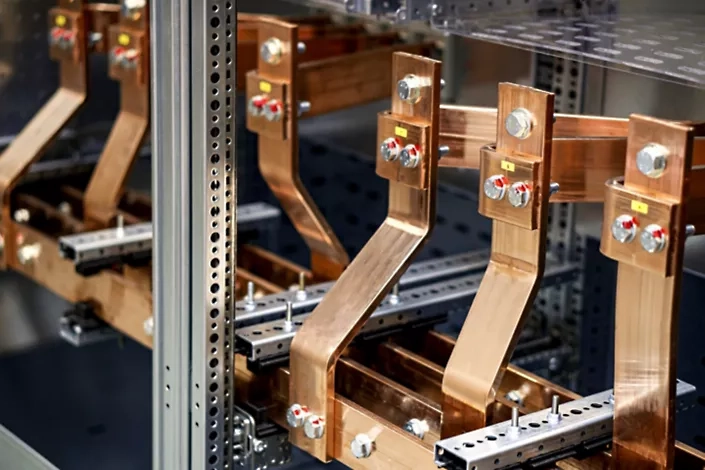
30-Day DIY Electrical Panel Cost-Saving Guide – Day 3

30-Day DIY Electrical Panel Cost-Saving Guide – Day 2
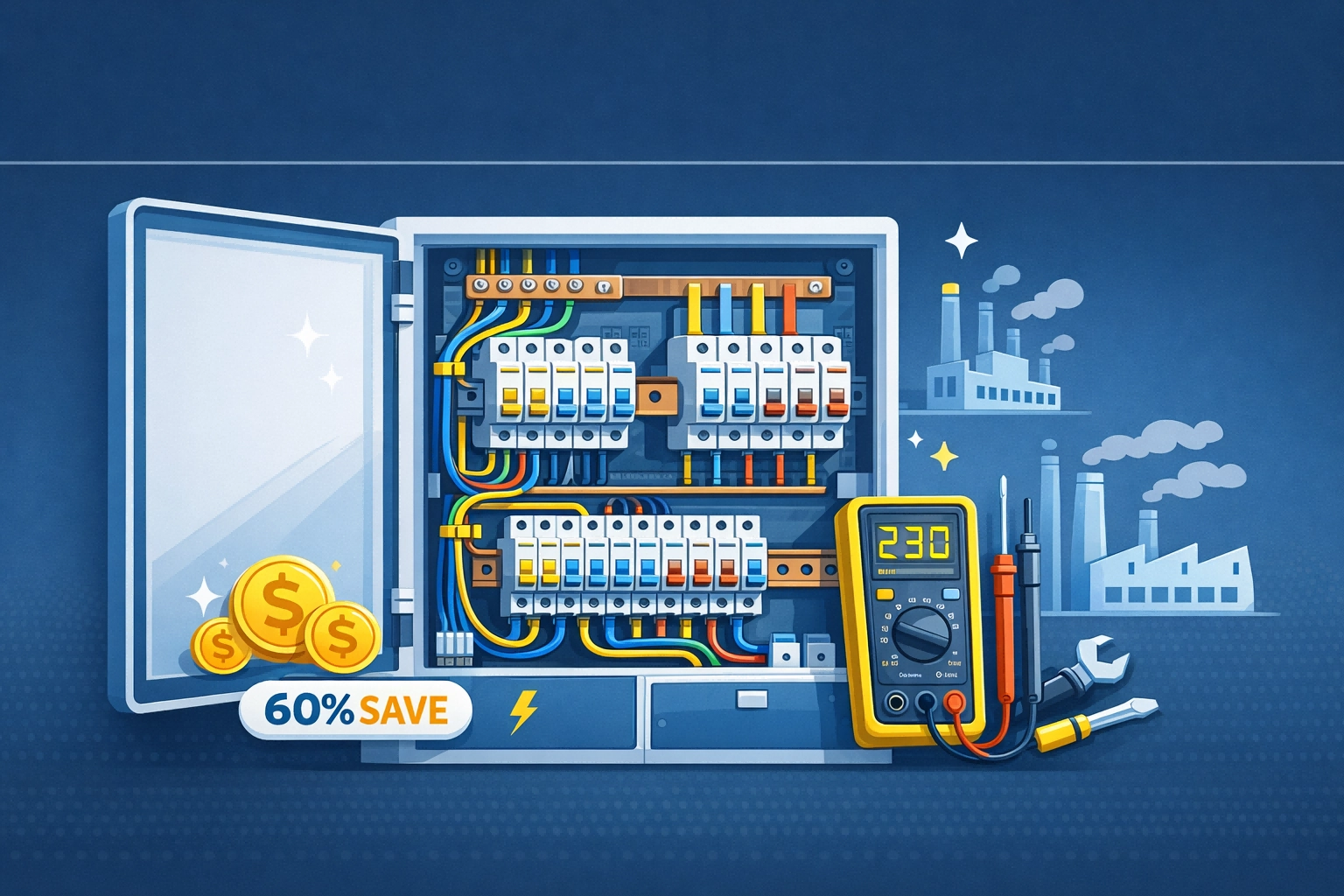
How to Build Your Own Electrical Panel and Save Up to 60% on Costs
Three Phase anti backflow energy meter
Does this meter save electricity directly?
No it helps optimize solar usage but does not generate extra power.
Why is energy saving sometimes limited?
This may be due to low daytime load no battery storage or incorrect installation.
Current Transformer(CT)
What happens if the secondary circuit is open while the primary is energized?
The secondary must never be open circuited under load. It may generate high voltage and damage the transformer or create safety risks.
LCD2 Series Motorized Operating MCCB
Does it support intelligent control systems?
Yes, suitable for smart power, automation, remote IO and IoT applications.
Service
What kind of technical support do you provide?
We offer comprehensive technical support, including:
- Product selection guidance
- System design support
- OEM/ODM engineering assistance
- Installation and application advice
Our engineering team ensures customers receive efficient and customized solutions for different applications.
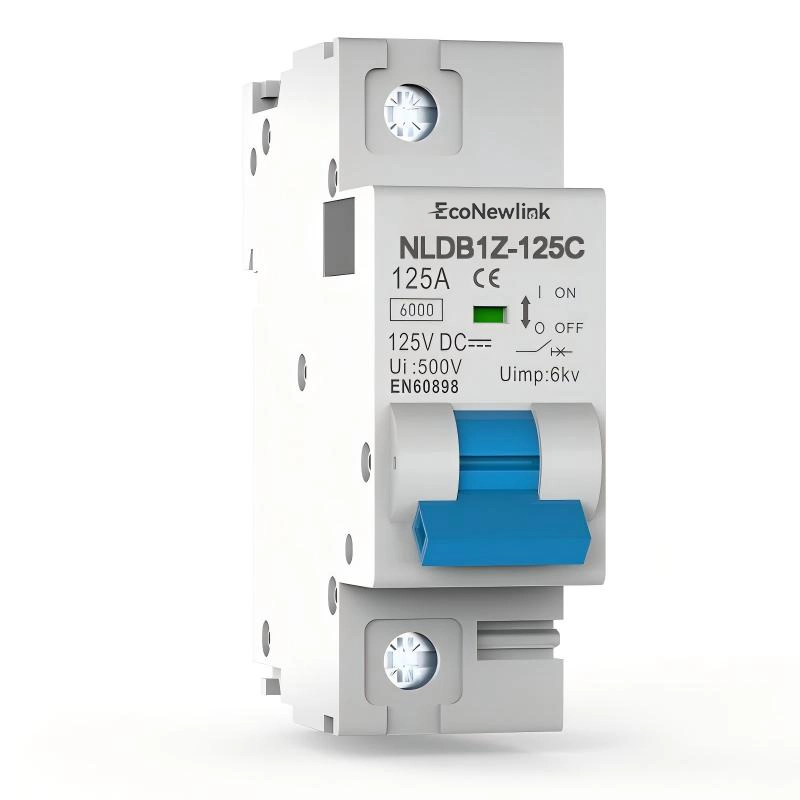
DIN Rail Solar DC MCB Circuit Breaker 63A-125A 250V DIN Rail Miniature Circuit Breaker for Photovoltaic System
High-performance DC miniature circuit breaker for solar photovoltaic systems, supporting 63A-125A current and up to 250V DC voltage. DIN rail installation, optional 6kA/10kA breaking capacity, reliable protection for solar panels, battery systems and DC distribution.
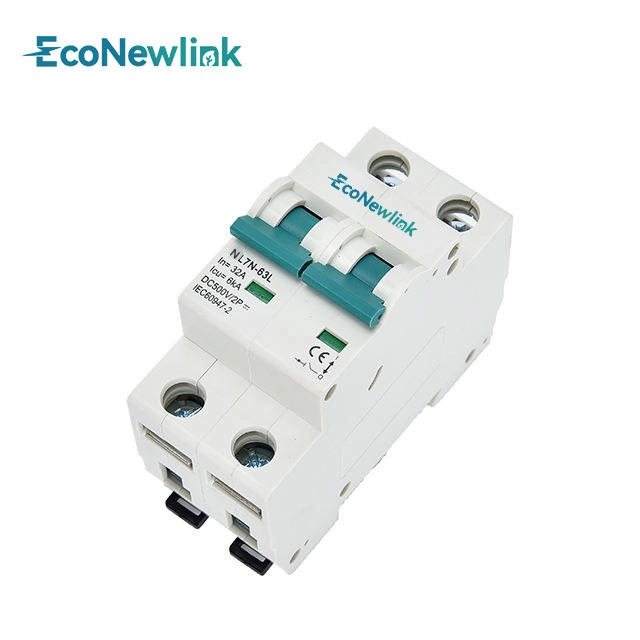
Breaking Capacity Dual Power Manual Transfer Isolating Switch Interlock MCB
Request More Information or Subscribe for Updates
Thank you for reading our article!
If you would like more detailed information, have specific questions, or want to stay updated with the latest articles and guides, please fill out the form below.
Our team will get back to you with tailored information and resources.
Powering the Future with Smart, Safe Solutions
EcoNewlink delivers cutting-edge intelligent power products and solutions to ensure safety, efficiency, and reliability in your power distribution systems.
Contact
Email: nali@newlink.ltd
WhatsApp:
Address: No.76 Chuangyu road, Zengcheng District, Guangzhou, China

 WhatsApp
EcoNewlink
EcoNewlink