





Why Are Air Circuit Breakers Usually Used Only in Low-Voltage Systems?
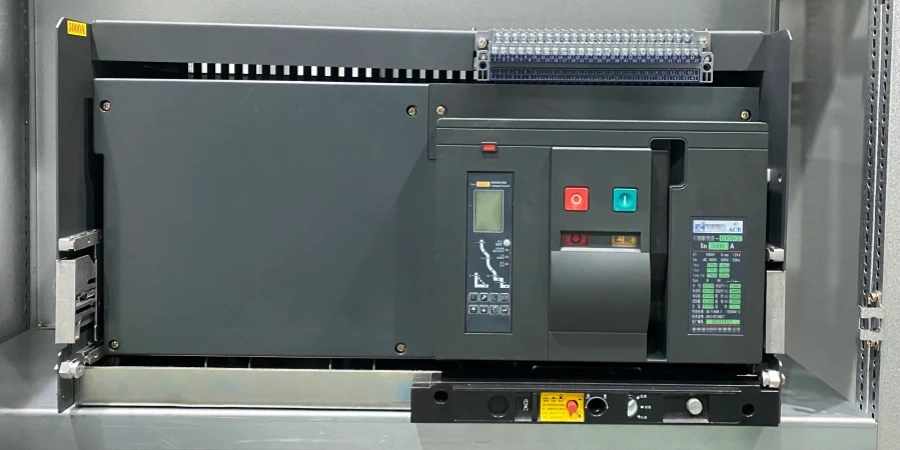
Air circuit breakers play a critical role in modern power distribution, especially in low-voltage systems where high current capacity, easy maintenance, and reliable fault interruption are essential. However, although ACBs are highly effective in low-voltage applications, they are rarely used in medium- or high-voltage systems.
- Why Are Air Circuit Breakers Usually Used Only in Low-Voltage Systems?
- Typical Voltage and Current Ratings of ACBs
- Why Air Struggles at Higher Voltages
- 1. Arc Interruption Becomes Much More Difficult
- 2. Insulation and Clearance Requirements Increase Rapidly
- 3. Size and Mechanical Complexity Become Impractical
- What Is Used Instead in Medium-Voltage Systems?
- Vacuum Circuit Breakers (VCBs)
- SF₆ Circuit Breakers
- Comparison: Why ACBs Stay in Low Voltage
- Why This Matters in Real Projects
- Conclusion
- FAQ
Why Are Air Circuit Breakers Usually Used Only in Low-Voltage Systems?
Air circuit breakers play a critical role in modern power distribution, especially in low-voltage systems where high current capacity, easy maintenance, and reliable fault interruption are essential. However, although ACBs are highly effective in low-voltage applications, they are rarely used in medium- or high-voltage systems.
At Guangzhou EcoNewlink Technology Co., Ltd., we specialize in intelligent power distribution solutions for panel builders, EPC contractors, and system integrators worldwide. Founded in 2018 and backed by over 15 years of manufacturing experience, we understand that choosing the right breaker technology is not only about current ratings, but also about arc control, insulation performance, safety, and long-term system reliability.
So why are ACBs usually limited to low-voltage systems? The answer lies in the physical limitations of air as an arc-quenching and insulating medium.
Typical Voltage and Current Ratings of ACBs
Air circuit breakers are designed for low-voltage, high-current power distribution. In most industrial catalogs, ACBs are typically rated for:
| Parameter | Typical ACB Range |
|---|---|
| Rated operational voltage | 400–690V AC |
| Extended low-voltage range | Up to 1000V AC in some designs |
| Rated current | 630A–6300A |
| Breaking capacity | 25kA–150kA, with some high-end LV models reaching 200kA |
This is where ACBs perform best. They are widely used in:
-
Main incoming low-voltage panels
-
Generator protection systems
-
Industrial power distribution boards
-
Large commercial buildings
-
Data centers and critical infrastructure
At EcoNewlink, we work with customers who require dependable low-voltage protection in systems with high current demand. In these applications, ACBs are ideal because they combine high continuous current handling, strong interrupting capability, and service-friendly maintenance access.
But once voltage rises beyond the low-voltage range, the design challenges become far more difficult.
Why Air Struggles at Higher Voltages
The main reason ACBs are usually not used in medium-voltage systems is simple: air is not an efficient interruption medium at higher voltages.
1. Arc Interruption Becomes Much More Difficult
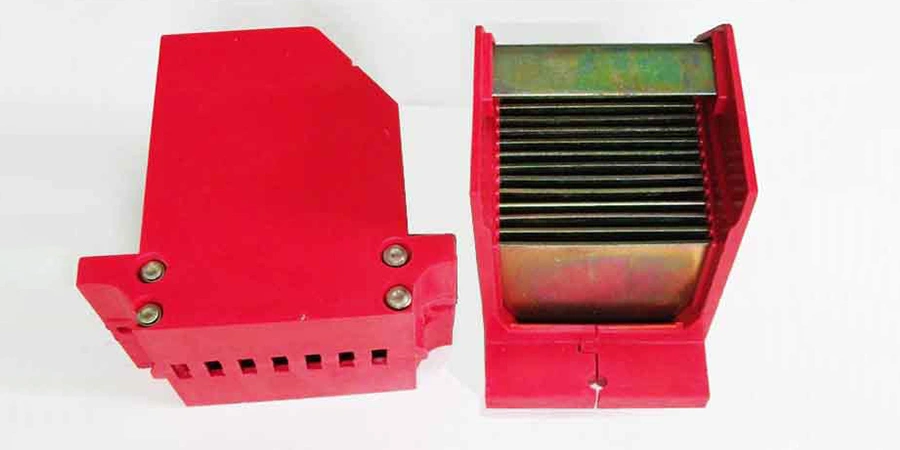
When a breaker opens under load or fault conditions, an electric arc forms between the separating contacts. In an ACB, this arc is interrupted in air using arc chutes, splitter plates, and contact separation.
At low voltage, this method works well. The arc can be cooled, divided, and extinguished effectively.
At medium voltage, however, the situation changes dramatically:
-
The arc becomes longer and hotter
-
The risk of re-striking increases
-
Larger contact gaps are required
-
The arc chamber must be much bigger
-
The operating mechanism must open faster and farther
In other words, as voltage rises, the arc energy increases to a point where open-air interruption becomes inefficient and impractical.
2. Insulation and Clearance Requirements Increase Rapidly
Air also serves as an insulating medium inside the breaker and switchgear. At low voltage, phase-to-phase and phase-to-ground clearances are manageable.
But once the system enters medium-voltage territory, the required:
-
clearance distance
-
creepage distance
-
insulation coordination
-
enclosure spacing
all increase significantly.
This makes an air-based breaker much larger, heavier, and more complex. A breaker that might be compact and practical at 690V becomes oversized and inefficient at 11kV or 24kV.
3. Size and Mechanical Complexity Become Impractical
To interrupt higher voltages in air, the breaker would need:
-
much larger arc chutes
-
longer contact travel distance
-
stronger springs or operating mechanisms
-
larger insulated structures
-
more robust enclosure design
At that point, using air is no longer the most practical solution. The equipment becomes too bulky and too maintenance-intensive compared with other available technologies.
What Is Used Instead in Medium-Voltage Systems?
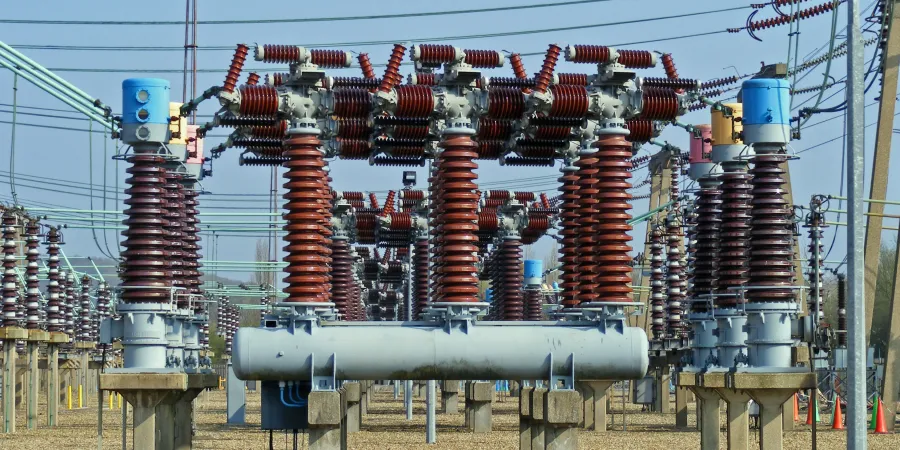
When voltage rises beyond about 1kV, the industry typically moves away from ACBs and uses other interruption technologies designed specifically for medium- and high-voltage applications.
Vacuum Circuit Breakers (VCBs)
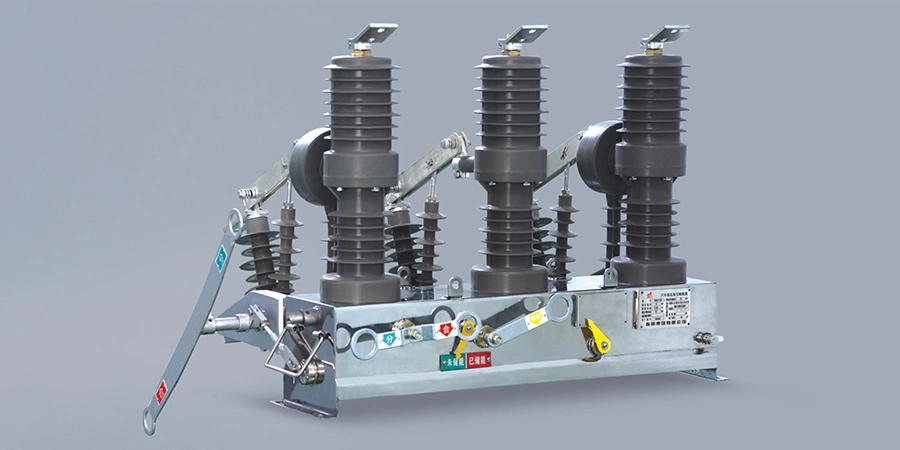
For most medium-voltage systems, vacuum circuit breakers are the preferred solution.
Typical VCB application range:
-
3.3kV
-
6.6kV
-
11kV
-
24kV
-
36kV
Vacuum interrupters offer major advantages:
-
Excellent dielectric strength
-
Fast arc extinction
-
Much smaller contact gap
-
Compact switchgear design
-
Long mechanical life
-
Low maintenance requirements
Unlike ACBs, VCBs interrupt the arc inside a sealed vacuum bottle, where there is no air to sustain a long plasma arc. This makes medium-voltage interruption much more efficient and compact.
SF₆ Circuit Breakers
At higher voltages, especially in transmission and substation applications, SF₆ gas circuit breakers are often used.
They are suitable for:
-
very high insulation requirements
-
high fault interruption capacity
-
compact high-voltage installations
SF₆ technology remains common in high-voltage systems, although environmental concerns are encouraging the industry to develop cleaner alternatives.
Comparison: Why ACBs Stay in Low Voltage
| Voltage Level | Common Breaker Type | Interruption Medium | Typical Use |
|---|---|---|---|
| Up to 1kV | ACB | Air | Low-voltage main distribution |
| 3.3kV–36kV | VCB | Vacuum | Medium-voltage industrial distribution |
| Above 36kV | SF₆ CB / other HV technologies | SF₆ gas / alternatives | Transmission and utility substations |
This explains the practical rule used across the industry:
ACBs are excellent for low-voltage high-current systems, but once voltage increases, vacuum and gas-based technologies become far more effective.
Why This Matters in Real Projects
For panel builders, EPC contractors, and system integrators, understanding this difference is essential when designing reliable power systems.
Trying to use the wrong breaker technology can lead to:
-
oversized or unsuitable equipment
-
reduced safety margins
-
difficult maintenance
-
unnecessary cost
-
poor long-term reliability
At EcoNewlink, we focus on delivering the right protection device for the right electrical environment. Our expertise covers MCCBs, power meters, energy meters, current transformers, fuses, and customized intelligent power distribution solutions for global projects.
For low-voltage switchgear and distribution assemblies, selecting properly rated protection devices is critical to ensure:
-
safe interruption of fault current
-
stable system operation
-
compliance with project standards
-
long-term user safety
Conclusion
Air circuit breakers are usually used only in low-voltage systems because air has practical limits as both an arc-quenching medium and an insulation medium.
At low voltage, ACBs offer excellent performance for high-current distribution. But at medium and high voltages, the arc becomes harder to control, insulation distances become much larger, and the breaker design becomes too bulky and inefficient.
That is why the electrical industry relies on:
-
ACBs for low-voltage systems
-
VCBs for medium-voltage systems
-
SF₆ and other advanced technologies for higher-voltage applications
Understanding where each breaker technology fits helps engineers and buyers make safer, more economical, and more reliable decisions for modern power distribution systems.
FAQ
1. What voltage range is an ACB usually used for?
Air circuit breakers are typically used in low-voltage AC systems, usually from 400V to 690V, and in some cases up to 1000V.
2. Why are ACBs not common in medium-voltage systems?
Because air is less effective at interrupting higher-voltage arcs, and the breaker would require much larger contact gaps, insulation distances, and overall size.
3. What breaker is normally used instead of an ACB at 11kV or 24kV?
Vacuum circuit breakers are the standard choice for most medium-voltage systems in that range.
4. What is the main advantage of an ACB?
High current capacity, high breaking capacity in low-voltage systems, serviceability, and suitability for main incoming power distribution.
5. Are ACBs still important in modern electrical systems?
Yes. They remain a key protection device in low-voltage switchgear for industrial plants, commercial buildings, generators, and critical infrastructure.
6. How does EcoNewlink support low-voltage distribution projects?
We provide integrated intelligent power distribution solutions including MCCBs, meters, CTs, fuses, and customized OEM/ODM support for panel builders and EPC customers.
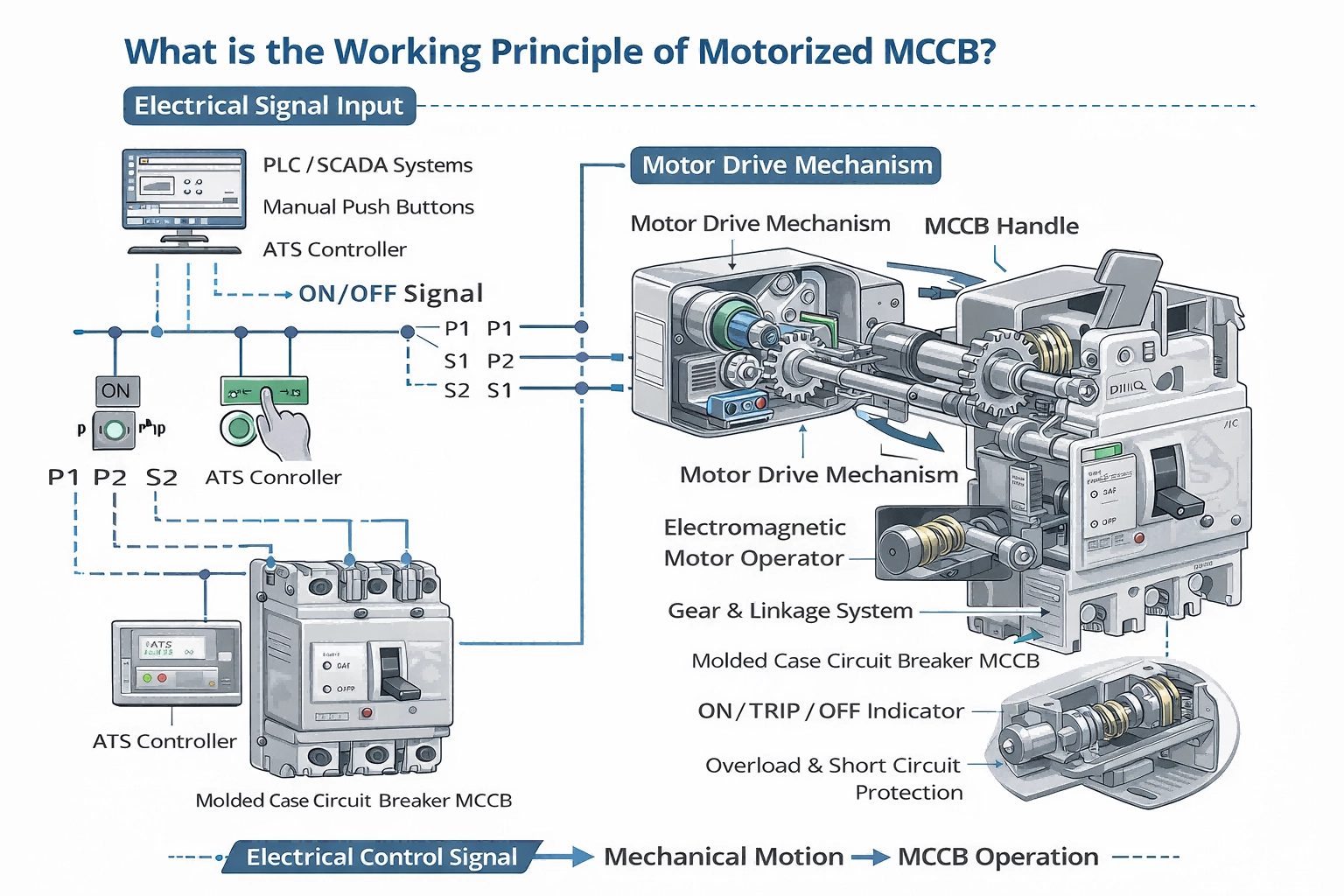
How to Use a Motorized MCCB Circuit Breaker for Remote Control and ATS Systems
30-Day DIY Electrical Panel Cost-Saving Guide – Day 3

30-Day DIY Electrical Panel Cost-Saving Guide – Day 2
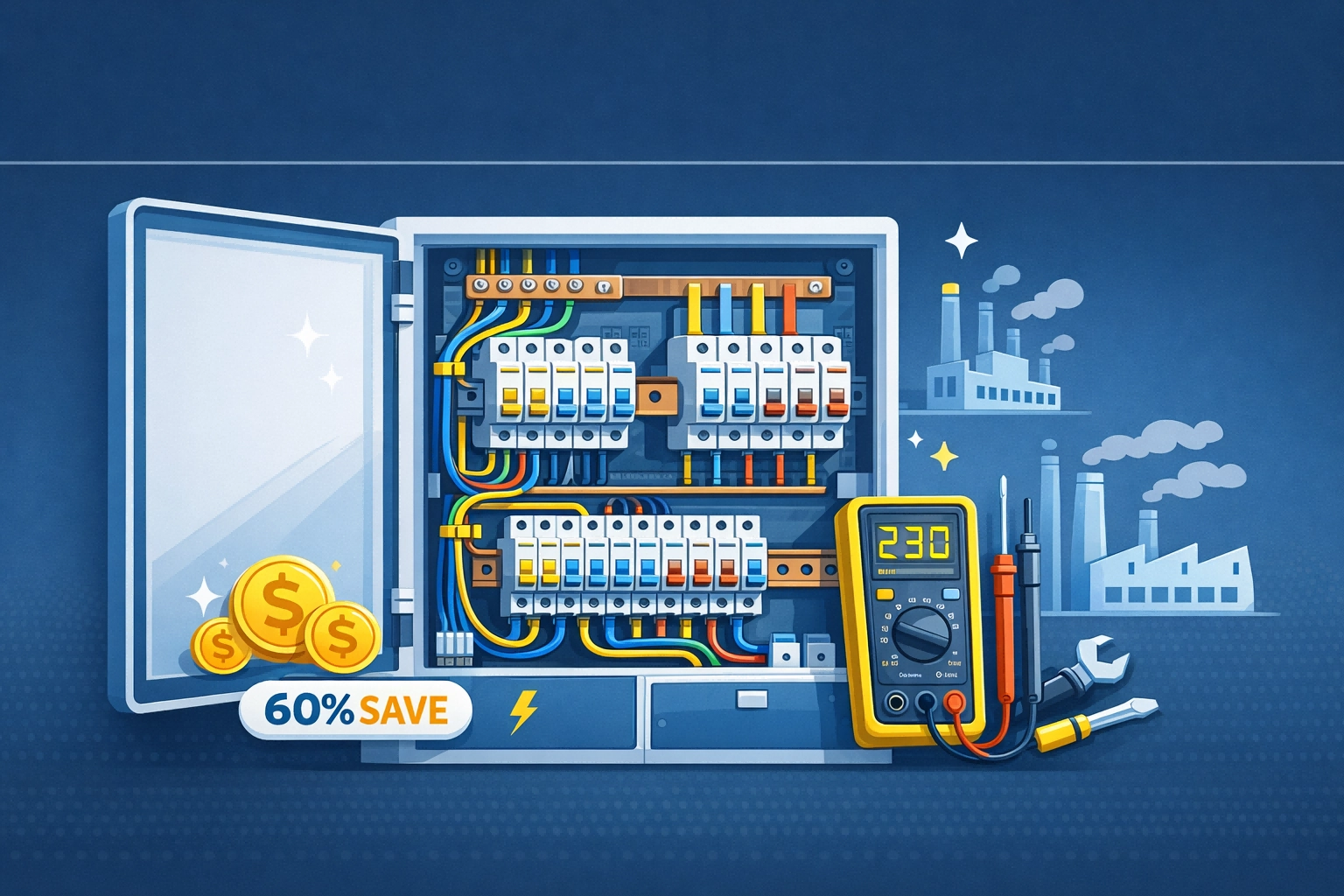
How to Build Your Own Electrical Panel and Save Up to 60% on Costs
NH series fuses
What standards and certifications can the product comply with?
Our fuses can comply with international low voltage protection standards and relevant certifications according to different market requirements.
Do you support OEM and customized specifications?
Yes. As a source manufacturer, we provide OEM branding, customized current ratings, packaging design, and technical solutions based on your project requirements.
What is the service life and warranty policy?
Manufactured with premium materials and strict quality control, the fuse ensures long service life. Warranty terms are available based on project and order agreements.
Energy Meter Single-Phase Ammeter
Is it suitable for industrial environments
Yes, it is designed for power systems, automation equipment, and industrial monitoring.
Tuya WiFi Smart Recloser
How is the breaker installed?
The device supports standard 35mm DIN rail installation, commonly used in electrical distribution boxes.
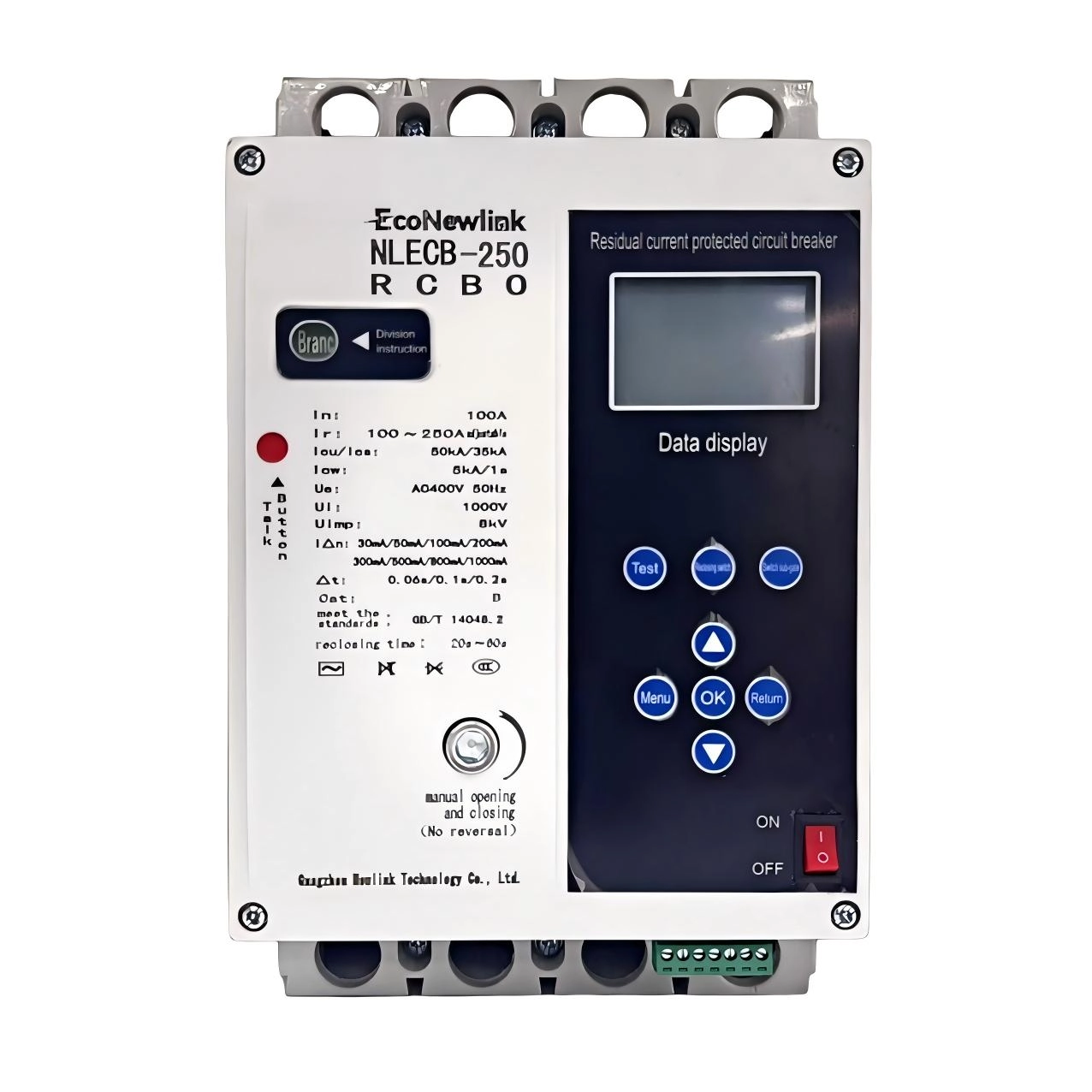
NLECB Automatic Reclosing ECB Circuit Breaker for Overload, Short-Circuit & Leakage Protection
This photovoltaic automatic reclosing circuit breaker (ECB) is designed for solar and low-voltage power distribution systems. It provides automatic reclosing functionality and comprehensive protection, including overload, short-circuit, and leakage protection, ensuring stable and reliable operation in harsh environments.
It solves common pain points in solar and smart power systems, such as manual reset issues, system downtime, and safety risks caused by unstable grid conditions. The waterproof design enhances durability and extends product life in outdoor installations.
Key advantages include high reliability, improved safety, reduced maintenance time, and automatic fault recovery. The product complies with international standards and certifications including ISO, CE, RoHS, and GRS, making it suitable for global markets.
OEM and customization services are available to support brand differentiation and specific engineering requirements.
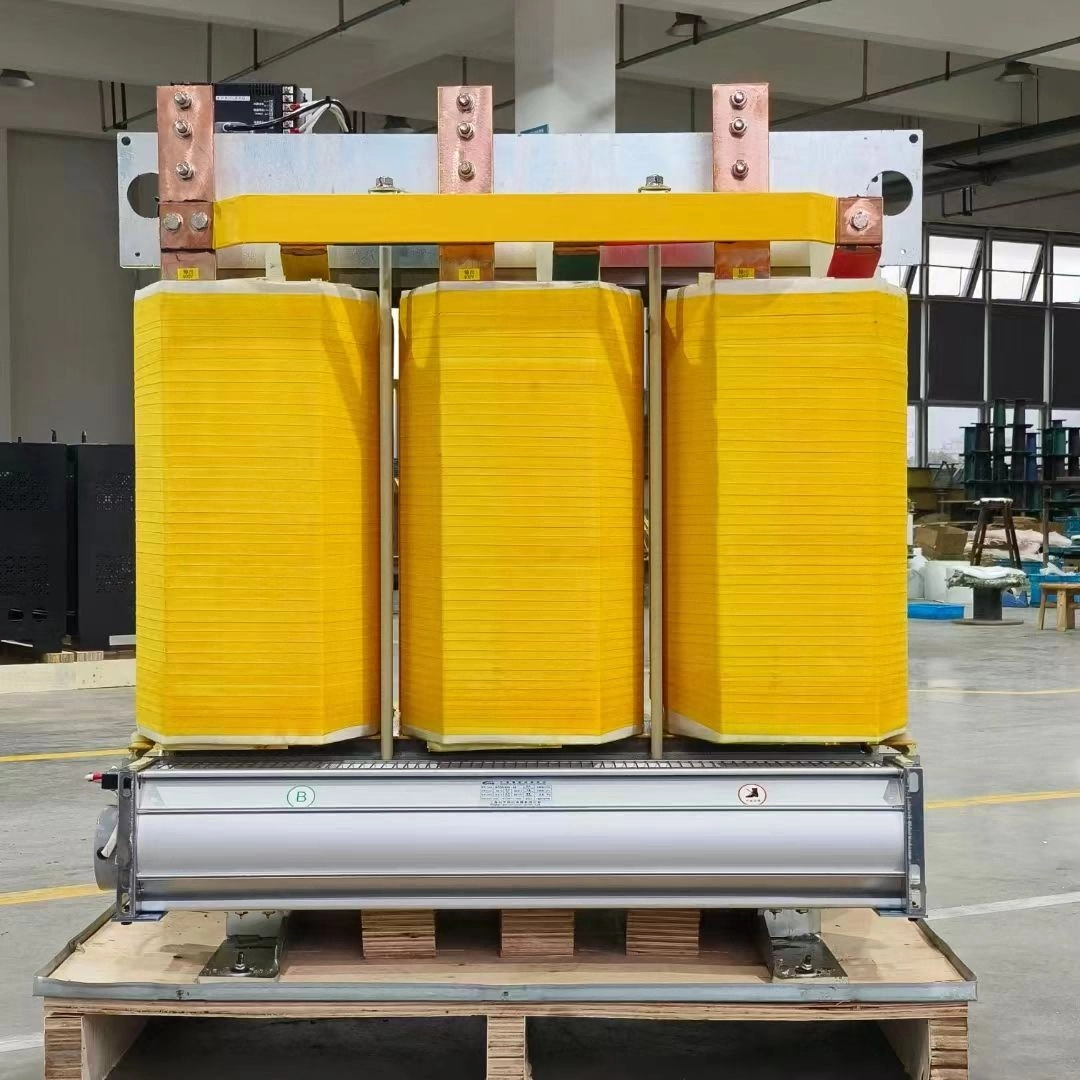
EcoNewlink Three phase transformer 25kVA Dry Type Isolation Energy Efficient Industrial
The three-phase dry-type isolation transformer is designed to provide safe, stable, and efficient power distribution for industrial and commercial applications. By electrically isolating the primary and secondary circuits, it effectively protects sensitive equipment from voltage fluctuations, electrical noise, and grounding issues, ensuring reliable system performance.
Built with high-quality insulation materials and advanced manufacturing processes, this dry-type transformer offers excellent thermal performance, low loss, and long service life without the need for oil cooling. Its environmentally friendly and fire-resistant design makes it ideal for indoor installations such as switchgear systems, control panels, data centers, factories, and commercial buildings.
With a compact structure and flexible configuration options, the transformer can be customized for different voltage levels, capacities (kVA), and installation requirements. It supports stable operation in demanding environments while reducing maintenance costs and improving overall energy efficiency.
This three-phase isolation transformer is widely used in power distribution systems, renewable energy projects, automation systems, and critical infrastructure where safety, reliability, and power quality are essential.
Request More Information or Subscribe for Updates
Thank you for reading our article!
If you would like more detailed information, have specific questions, or want to stay updated with the latest articles and guides, please fill out the form below.
Our team will get back to you with tailored information and resources.
Powering the Future with Smart, Safe Solutions
EcoNewlink delivers cutting-edge intelligent power products and solutions to ensure safety, efficiency, and reliability in your power distribution systems.
Contact
Email: nali@newlink.ltd
WhatsApp:
Address: No.76 Chuangyu road, Zengcheng District, Guangzhou, China

 WhatsApp
EcoNewlink
EcoNewlink