





What role do transformers play in power distribution systems?
- 1) What role do transformers play in power distribution systems, and how does that affect transformer selection for my substation?
- 2) How do I size a distribution transformer for mixed non-linear loads and large motor starts without overpaying?
- 3) How does transformer impedance affect fault currents, voltage regulation and upstream breaker sizing?
- 4) When should I specify an on-load tap changer (OLTC) vs. off-circuit tap settings for distribution transformers?
- 5) What factory tests, documentation and certificates should I demand from MV/LV transformer and switchgear manufacturers to comply with IEC/IEEE and local grid rules?
- 6) How do harmonics from inverters, VFDs and EV chargers affect transformer life, and what mitigation should I require at purchase?
- Concluding summary: Advantages of properly specified power distribution equipment and correctly selected transformers
Power Distribution Equipment: What Role Do Transformers Play and How to Specify Them
Modern electrical distribution systems rely on a coordinated assembly of transformers, switchgear, protection relays, busbars and monitoring devices to deliver safe, reliable energy. Below are six specific, pain-point-focused questions beginners and procurement engineers frequently face — with detailed, actionable answers for manufacturers, specifying engineers and buyers in the electrical components industry.
1) What role do transformers play in power distribution systems, and how does that affect transformer selection for my substation?
Transformers are the central voltage-conversion and isolation devices in power distribution. Their core roles are:
- Voltage conversion: step-up for transmission and step-down to medium-voltage (MV) and low-voltage (LV) distribution levels.
- Isolation: protect secondary systems and provide a defined grounding point via vector groups and neutral arrangements.
- Impedance control: determine short-circuit contribution and voltage regulation across distribution feeders.
- Thermal buffer and harmonic absorber: influence system thermal behavior and interact with non-linear loads.
How that translates into selection requirements:
- Rated kVA and voltage: size the kVA using realistic load profiles (not nameplate sums). For three-phase loads, start with kVA = sqrt(3) × VL × IL / 1000 and then add start-up contributions for motors and a harmonic derating factor for non-linear loads.
- Vector group and grounding: select a vector group that meets system grounding strategy (e.g., Dyn11 for wye-delta grounding/neutral availability). Wrong vector group can break protection coordination and earthing schemes.
- Impedance: choose impedance to balance fault current contribution and voltage drop. Typical MV-LV distribution transformers have impedance in the 4–8% range; confirm with short-circuit studies to ensure breaker interrupting ratings and protection coordination.
- Cooling and temperature rise: choose cooling class (ONAN, ONAF) and temperature-rise limits per ambient expectations and load cycles.
- On-load tap changer (OLTC) vs. off-circuit taps: OLTC for tight voltage regulation under load; off-load taps acceptable where voltage fluctuations are small.
Standards and tests to require: IEC 60076 series or IEEE C57.x tests for dielectric, temperature rise, short-circuit and routine tests. Request factory acceptance tests (FAT) and type-test reports.
Practical procurement tip: supply the manufacturer with load scans (1 min and 10 min records), harmonic spectra, motor starting profiles and the required fault level at the transformer secondary. This prevents underspecification and costly retrofit trips.
2) How do I size a distribution transformer for mixed non-linear loads and large motor starts without overpaying?
Common purchasing mistakes: using simple diversity factors or nameplate sums; ignoring harmonics and motor inrush; selecting a too-small or overly conservative unit that increases cost and losses.
Step-by-step practical approach:
- Create a realistic load model: collect measured load data (kW, kVAR, THD) or at minimum compile loads by type—lighting, HVAC drives, welding, VFDs, motors—with duty cycles.
- Calculate fundamental kVA demand: sum continuous loads and add intermittent loads with correct diversity. Use sqrt(3) × V × I for three-phase conversions.
- Account for motor starting: motors draw locked-rotor currents of 4–8× rated current (or higher for large motors). For groups of motors, perform motor starting coincidence studies. Use motor starting curves or apply inrush duration compensation in kVA terms (approximate starts as additional kVA demand based on starting energy).
- Include harmonic heating: if THD > 5–8%, consult IEEE 519 limits and consider a K-factor rated transformer or oversize the transformer (commonly 10–30% depending on measured harmonic heating). Request the manufacturer’s harmonic derating chart.
- Finalize rating: define steady-state kVA and short-term overload capability (e.g., 150% for 60 minutes, if applicable) and ensure cooling class accommodates overloads.
Specify these items in the purchase order: required kVA, overload profile, harmonic content, altitude/ambient derating, required tap-changer type, vector group, and acceptance tests. This ensures the vendor supplies the correct distribution transformer without hidden upcharges.
3) How does transformer impedance affect fault currents, voltage regulation and upstream breaker sizing?
Transformer impedance (Z%) is a key specification with direct operational effects:
- Fault current contribution: transformer short-circuit impedance limits prospective fault current. Lower Z% → higher fault current at the transformer terminals. Ensure upstream and downstream circuit breakers and fuses have adequate interrupting ratings and will operate in coordination.
- Voltage regulation: higher impedance increases voltage drop under load (poor regulation), while lower impedance maintains tighter voltage but increases fault contribution.
- Protection coordination: Z% interacts with feeder impedances to shape fault currents used in relay settings and coordination studies. Mismatched impedance can prevent selective tripping.
Procurement guidance:
- Provide the required maximum prospective fault current and ask the manufacturer to provide Z% and short-circuit test results per IEC 60076-5/IEEE C57.12.00.
- For distribution networks, typical Z% ranges 4–8% for MV/LV units; use the exact value in short-circuit studies.
- If limiting fault current is a design objective (e.g., to avoid expensive breaker upgrades), specify a higher Z% transformer or add series impedance devices or HV fuses.
Action item: before purchase, run (or ask your vendor to run) an updated short-circuit study using the transformer's proposed Z% and confirm breaker interrupting and relay settings remain valid.
4) When should I specify an on-load tap changer (OLTC) vs. off-circuit tap settings for distribution transformers?
This is a common budget vs. performance decision.
OLTC (on-load tap changer):
- Use when the customer requires tight voltage regulation under varying loads (e.g., feeders with long radial runs, large motor starts, or significant distributed generation fluctuations).
- OLTC allows automatic regulation (±10% typical range) without de-energizing the transformer.
- Essential when regulatory grid codes require voltage band maintenance or in critical process plants where voltage excursions impact production.
Off-circuit taps (manual taps):
- Appropriate for stable load profiles with infrequent adjustments such as fixed consumer distribution, small commercial buildings, or where upstream regulators control voltage.
- Lower capital cost, fewer maintenance needs, simpler design.
Considerations for procurement:
- OLTC adds capex and maintenance but reduces operational risk and can extend equipment life by limiting over/under-voltage stress.
- Specify step size (e.g., ±2.5% per step), number of steps, motorized or manual operation, and communication/remote control requirements if integrating with SCADA.
Decision checklist: analyze historical voltage variation, future DER additions, permitted voltage bands by the utility, and maintenance capability on-site. For growth or variable loads, prefer OLTC; for stable, low-cost projects, offline taps may suffice.
5) What factory tests, documentation and certificates should I demand from MV/LV transformer and switchgear manufacturers to comply with IEC/IEEE and local grid rules?
Avoid the frequent trap of accepting equipment with incomplete test evidence. Insist on the following minimum deliverables:
For transformers (IEC 60076 / IEEE C57 series):
- Type test reports: short-circuit, temperature-rise, dielectric, noise and impulse/BIL tests.
- Routine tests: ratio & phase displacement, winding resistance, insulation resistance, induced over-voltage (partial discharge where applicable), and polarity.
- Factory Acceptance Test (FAT) reports: signed test sheets with instrument traceability. Witness testing by the buyer or third-party recommended for critical projects.
- Oil analysis: dielectric strength (BDV), moisture content, dissolved gas analysis (DGA) if applicable for used/refurbished units.
- Quality & production evidence: ISO 9001, material certificates for windings/steel, and conformance to IEC/IEEE standards.
For switchgear and protection:
- Type test and routine test certificates per IEC 62271 (MV) and IEC 61439 (LV) including mechanical operation, dielectric tests, temperature rise, and short-circuit withstand.
- Relay configuration sheets, settings, and fault simulation reports showing coordination with the proposed transformer impedance and feeder characteristics.
- Protection relay firmware version, communication protocols (Modbus/TCP, IEC 61850), and IED test reports.
Local grid interconnection: confirm compliance with local utility codes—harmonic injection limits (IEEE 519), anti-islanding rules for DER, and protection settings for anti-fault ride-through.
Procurement clause template to include: vendor must provide complete type-test and routine-test reports, FAT schedule, witness test rights, traceable instrument calibration certificates, and a two-year minimum warranty. This prevents later disputes and ensures E-E-A-T traceability for critical assets.
6) How do harmonics from inverters, VFDs and EV chargers affect transformer life, and what mitigation should I require at purchase?
Harmonics are a frequent cause of premature transformer aging due to localized heating from stray flux and eddy currents in windings and structural parts. Effects include increased core and winding losses, higher winding hot-spot temperatures, accelerated insulation aging, and mechanical vibration/noise.
Mitigation strategies to specify:
- K-factor or harmonic-rated transformers: for heavy harmonic environments, require K-rated transformers sized per the measured harmonic spectrum. K-rated transformers are designed to tolerate additional heating from harmonics.
- Oversizing: where K-rated units are uneconomical, specify a larger capacity transformer (typically 10–30% oversize depending on harmonic severity). Vendor should provide derating charts.
- Phase-shifting and zig-zag configurations: use delta-wye phase shifts or parallel transformers with phase shifts to cancel triplen harmonics.
- Active or passive harmonic filters: near high-THD sources like large banks of drives or solar inverters, require site-level active filters or tuned passive filters specified by harmonic analysis (IEEE 519 compliance).
- Temperature monitoring and thermal protection: include hot-spot monitors, top-oil temperature sensors, and thermal trip interlocks to protect against harmonic-induced overheating.
Procurement requirement: include a clause that the vendor must provide harmonic derating guidance and confirmation that the transformer insulation system and cooling class are adequate for the expected THD and ambient conditions. Request a signed statement of compliance with IEEE 519 limits or an action plan if limits are exceeded.
Concluding summary: Advantages of properly specified power distribution equipment and correctly selected transformers
A correctly specified and tested ensemble of distribution transformer, switchgear, protection relays, busbar systems and monitoring devices delivers measurable benefits:
- Improved reliability and uptime via proper fault-level coordination and thermal design.
- Lower life-cycle cost through optimized efficiency, correct impedance, and reduced retrofit risk.
- Better power quality and equipment longevity when harmonics and motor inrush are addressed with K-rated units, filters, or phase-shifts.
- Simplified maintenance and operational safety with modern features (OLTC, IEDs, thermal and oil monitoring) and complete factory testing documentation.
- Faster regulatory approvals and grid-connection when IEC/IEEE test evidence and utility compliance are provided upfront.
Procurement action: always send precise load profiles, harmonic measurements, expected short-circuit levels, ambient/altitude conditions and desired control/communication requirements to potential suppliers. Require factory type and routine test documentation per IEC 60076/IEEE C57 and switchgear standards.
For tailored quotes, technical datasheets and factory acceptance schedules, contact us at www.econewlink.com or nali@newlink.ltd. Our team provides specification templates, FAT witness services and manufacturer audits to ensure the power distribution equipment delivered matches your operational needs.
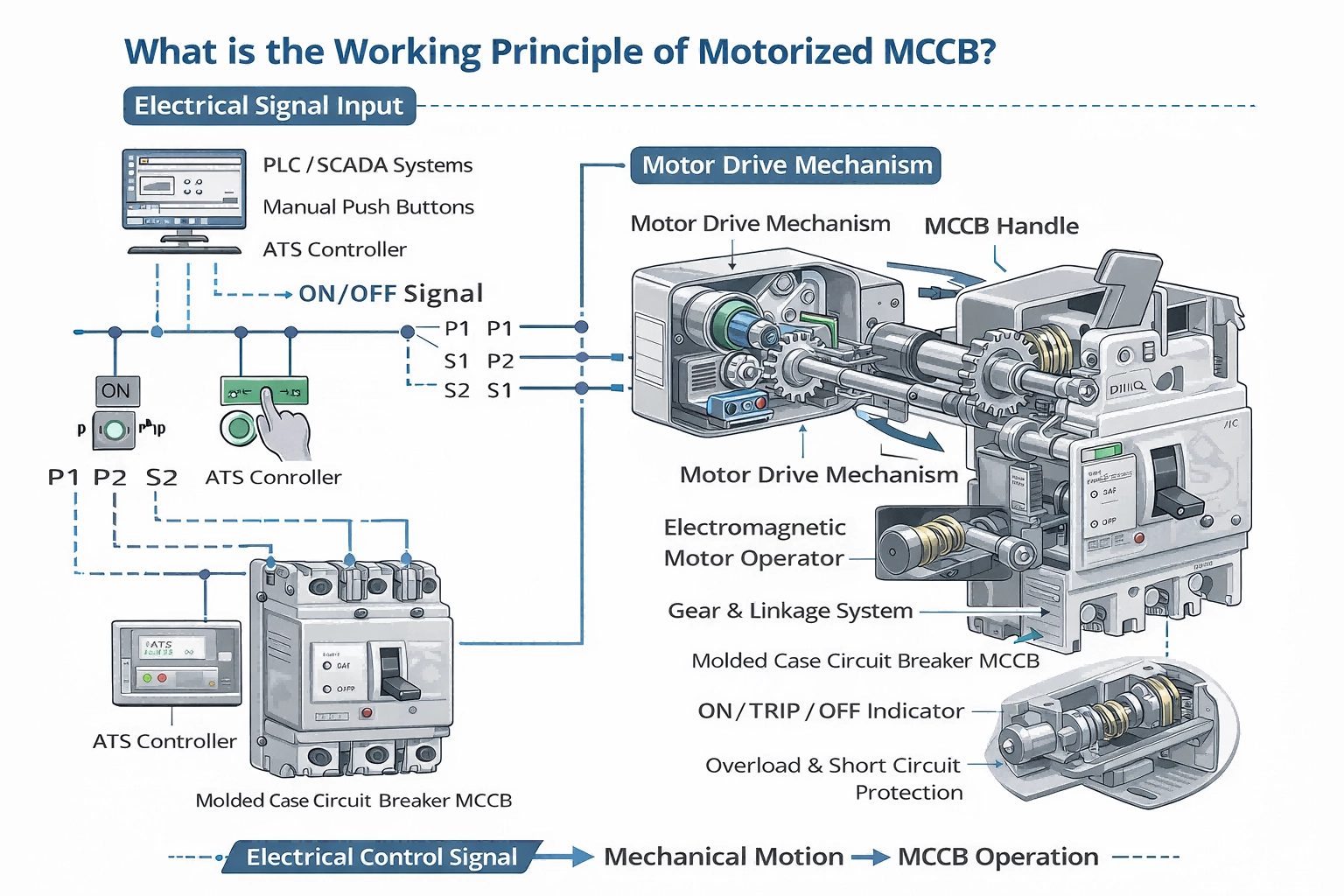
How to Use a Motorized MCCB Circuit Breaker for Remote Control and ATS Systems
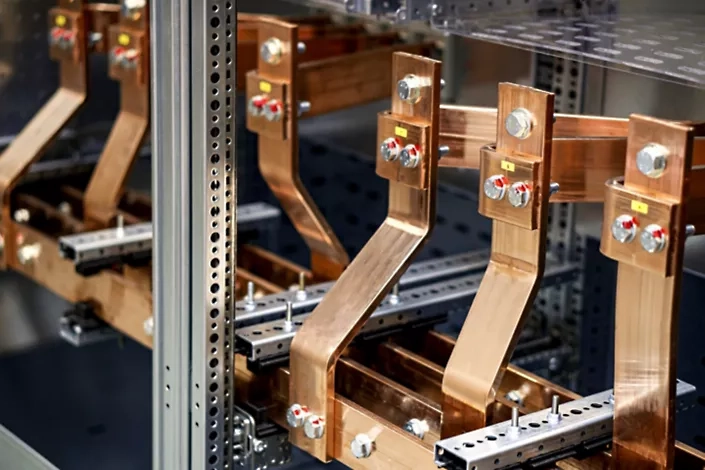
30-Day DIY Electrical Panel Cost-Saving Guide – Day 3

30-Day DIY Electrical Panel Cost-Saving Guide – Day 2
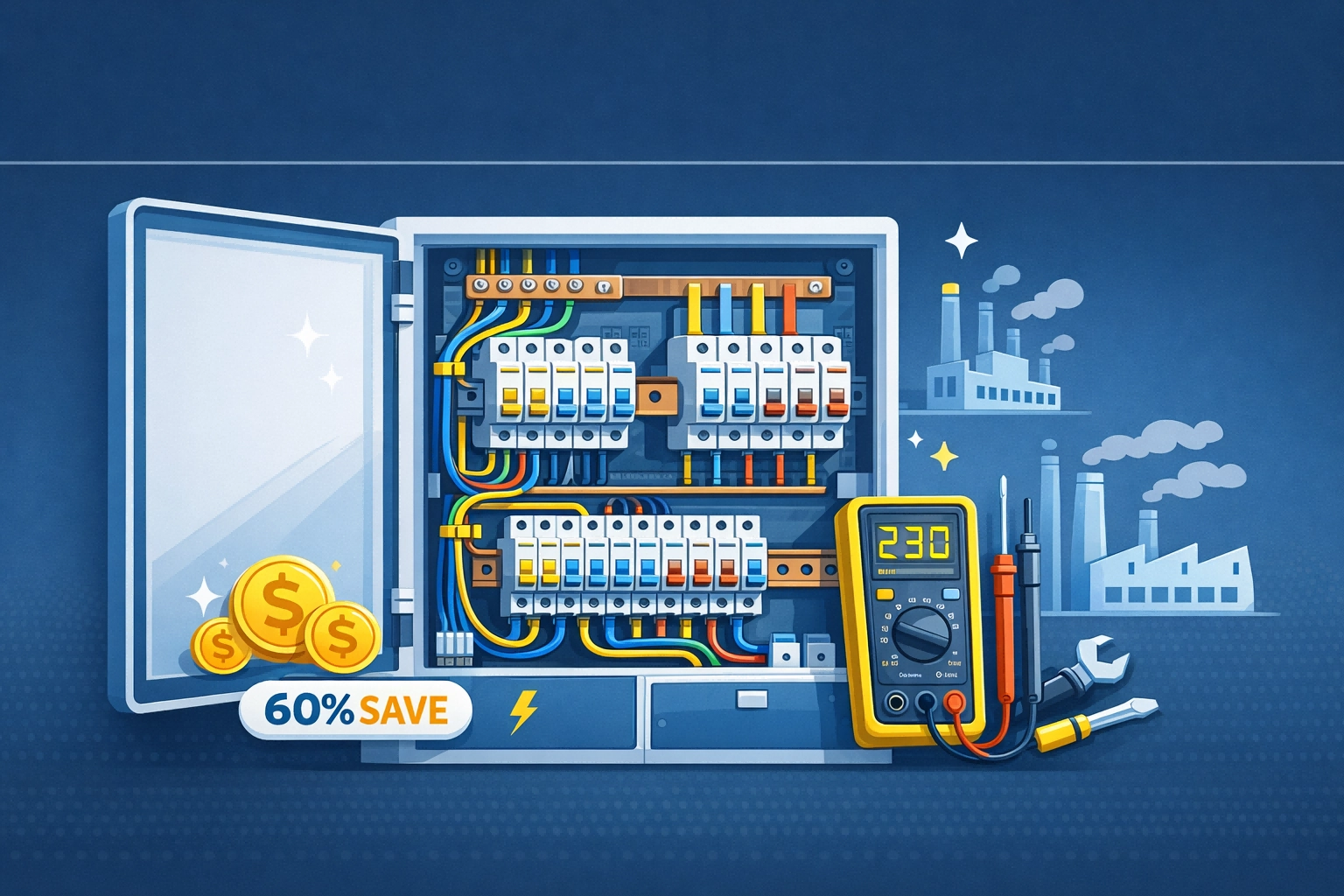
How to Build Your Own Electrical Panel and Save Up to 60% on Costs
Three Phase anti backflow energy meter
Does this meter save electricity directly?
No it helps optimize solar usage but does not generate extra power.
Can it be used in rental properties?
Yes it is widely used for landlords to control and optimize energy usage.
OEM/ODM
How do you ensure product quality and consistency?
All OEM products are manufactured under strict 5S management and quality control procedures, with 100% functional testing, achieving an ultra-low defect rate of only 0.01% (1 in 10,000 units).
STE18-RF Prepaid IC Card Energy Meter
How do users recharge the electricity meter?
Users can recharge electricity credit through a vending system, recharge station, handheld unit (HHU), or authorized platform. After payment, the credit is written to the IC card and transferred to the meter.
MCCB NLECB-250
Is the product waterproof?
Yes, the housing is designed for outdoor photovoltaic environments with enhanced sealing and weather resistance.
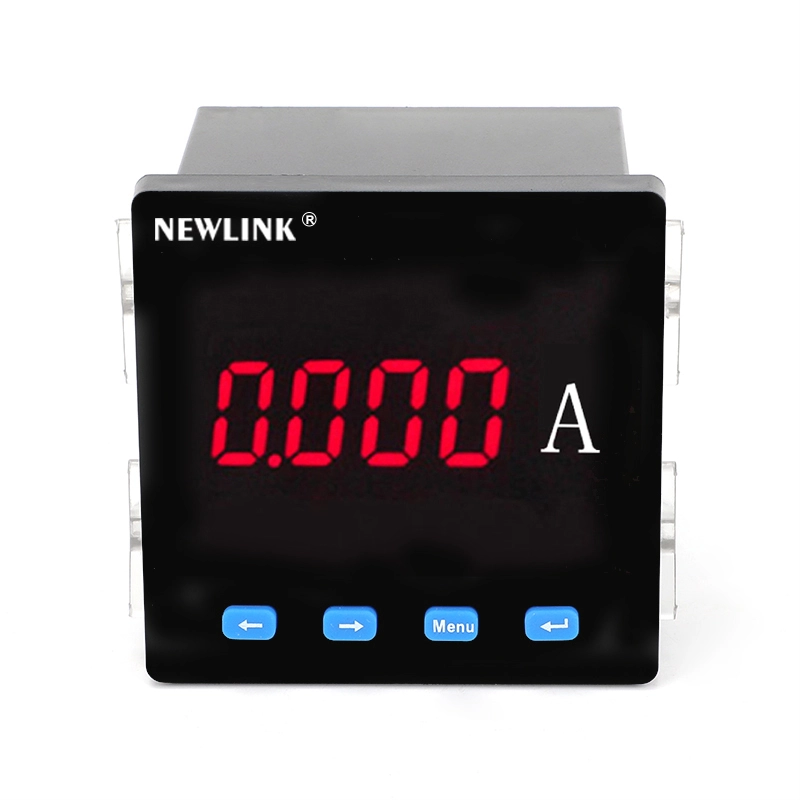
Single Phase Digital Ammeter with RS485 Modbus | LED LCD Panel Current Meter for Industrial Power Monitoring
High-precision single phase digital ammeter with RS485 Modbus communication, LED/LCD display, and programmable CT ratio. Ideal for power systems, automation equipment, and industrial monitoring applications.
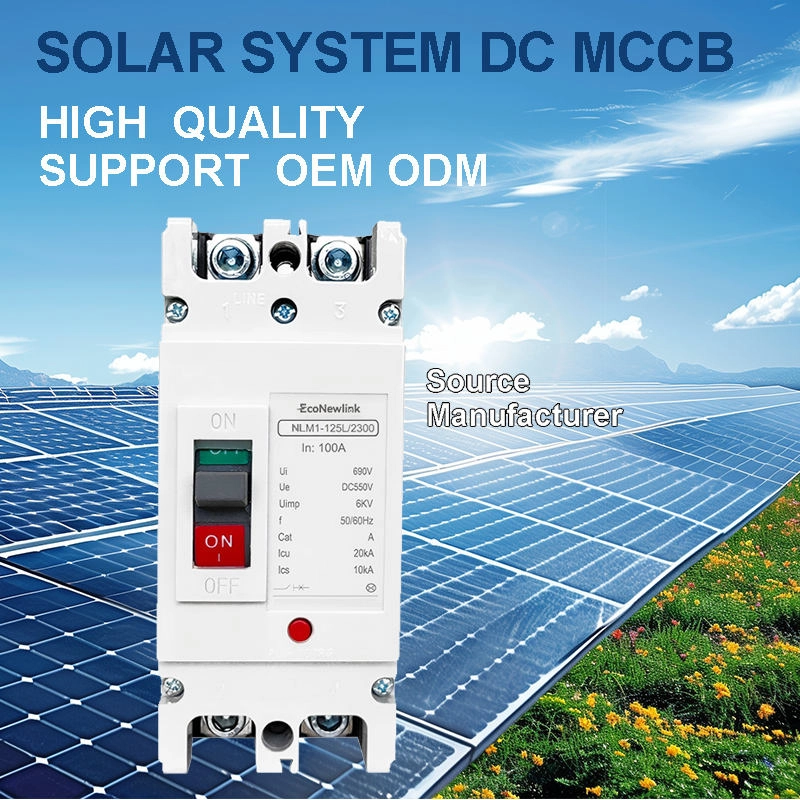
EcoNewlink DC MCCB NLM1Z 250 200A 48V Waterproof Electronic Trip 25kA Breaking Capacity
The EcoNewlink DC MCCB NLM1Z 250 200A 48V is a high-performance miniature circuit breaker designed for reliable low-voltage DC protection. Featuring a 25kA breaking capacity and waterproof design, it ensures safe and stable operation in harsh environments, including industrial systems, solar power installations, and energy storage solutions. With electronic trip technology, this MCCB delivers precise overload and short-circuit protection, combining durability, efficiency, and ease of integration for OEM and custom power distribution applications.
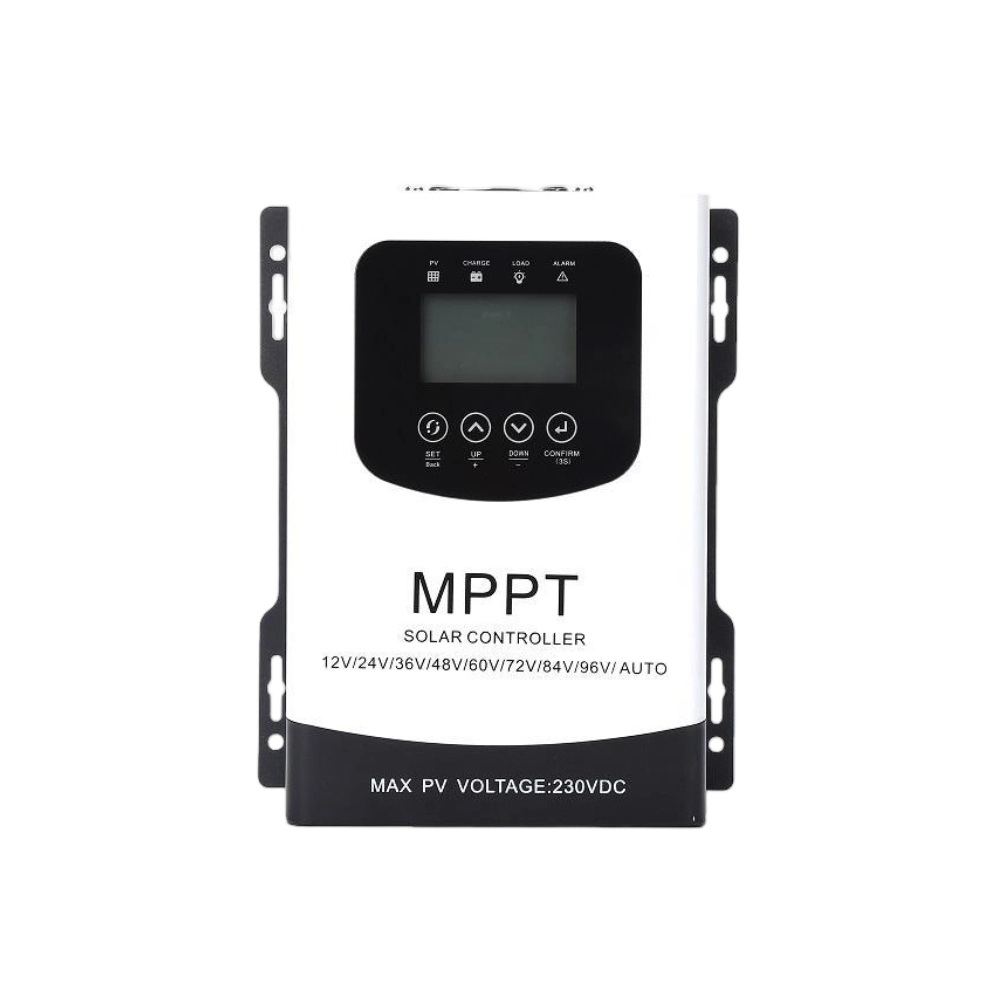
High Efficiency MPPT Solar Charge Controller for Off Grid Systems with 98% Tracking Battery Protection and RS485 Monitoring
This MPPT Solar Charge Controller is designed for off grid solar power systems, delivering up to 98% tracking efficiency to maximize photovoltaic energy utilization. It supports lead acid and lithium batteries with optimized multi stage charging to extend battery lifespan. Built in overcharge, over discharge, overload and short circuit protection ensure system safety, while the RS485 communication interface enables remote monitoring and intelligent energy management. Ideal for residential, telecom and small commercial solar applications.
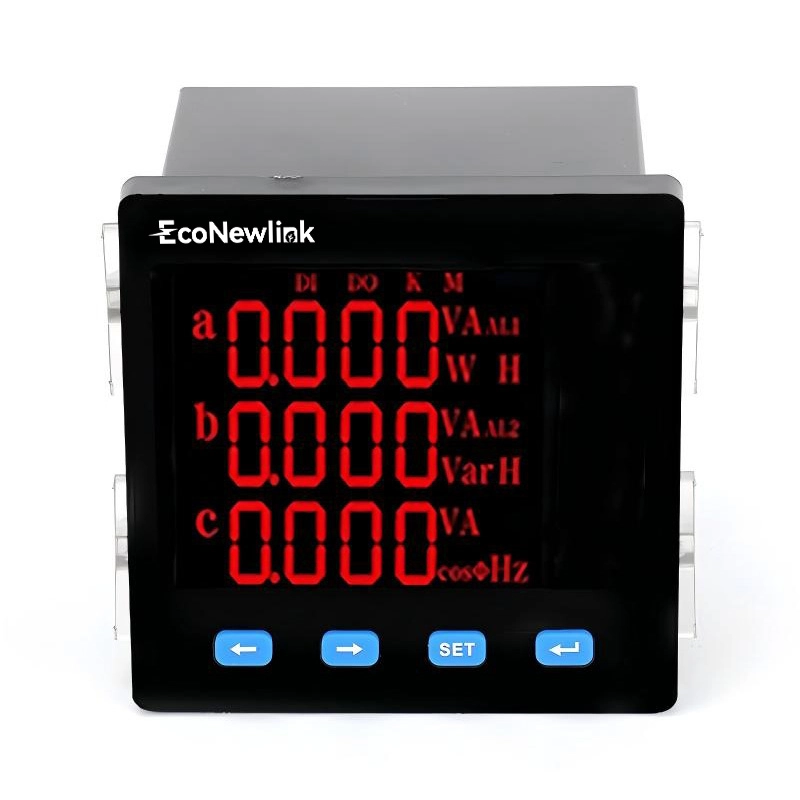
EcoNewlink 3 phase energy meter RS485 Modbus multifunctional power meter DIN rail kWh
The EcoNewlink Three-Phase Multifunctional Power Meter is engineered for complex industrial power distribution systems. Featuring a user-friendly interface, robust anti-interference performance, and reliable RS485 communication, it delivers real-time, high-accuracy energy data. Certified to CE, GRS, and RoHS standards, this meter is available for factory-direct bulk supply and deep OEM/ODM customization to ensure long-term system stability.
Request More Information or Subscribe for Updates
Thank you for reading our article!
If you would like more detailed information, have specific questions, or want to stay updated with the latest articles and guides, please fill out the form below.
Our team will get back to you with tailored information and resources.
Powering the Future with Smart, Safe Solutions
EcoNewlink delivers cutting-edge intelligent power products and solutions to ensure safety, efficiency, and reliability in your power distribution systems.
Contact
Email: nali@newlink.ltd
WhatsApp:
Address: No.76 Chuangyu road, Zengcheng District, Guangzhou, China

 WhatsApp
EcoNewlink
EcoNewlink