





how to choose a reliable energy meter supplier for projects? | Insights by EcoNewlink
- 1. How do I verify a supplier’s meters are truly revenue‑grade and compliant with local metrology rules across multiple countries?
- 2. What SLA, warranty and acceptance test clauses should I insist on to protect timelines and financial exposure?
- 3. How can I assess a supplier’s firmware and cybersecurity practices to ensure secure OTA updates and long‑term tamper protection?
- 4. What factory acceptance test (FAT) and site acceptance test (SAT) plans and sample sizes are sufficient for batches of energy meters?
- 5. How do I evaluate supply‑chain risk (lead times, MOQ, component obsolescence, BOM transparency) for long‑term projects?
- 6. How can I ensure interoperability and integration with SCADA/MDM/HES systems (DLMS, Modbus, IEC 61850)?
1. How do I verify a supplier’s meters are truly revenue‑grade and compliant with local metrology rules across multiple countries?
Start with documentary evidence mapped to the jurisdictions in your rollout. Revenue-grade and legal-for-trade compliance vary by region; require specific certificates and test reports rather than a generic statement of compliance.
What to request and verify:
- Standards and certificates: ask for meter test certificates against IEC 62052-11 (general requirements), IEC 62053-21/22 (active/reactive energy accuracy classes), EN 50470-3 or MID (European legal-for-trade—MID 2014/32/EU), and ANSI C12.x family for North America. Ask for the test report number, issuing lab and date.
- Accuracy class and tolerance curves: require explicit accuracy class (for example 0.5s or 1.0 for active energy under IEC/EN; MID Class B for many EU meters) and full error vs. current/phase/temperature curves. Revenue billing requires stability over expected environmental range.
- Traceable calibration: verify test labs are accredited to ISO/IEC 17025. Calibration certificates should show traceability to national metrology institutes (NMI) and include uncertainty budgets.
- Type approval and local approvals: for country-specific legal metrology, request local type approvals (where applicable), e.g., MID certificate and local approvals like OIML R46 conformity where relevant.
- Sample re‑testing: for multi-country projects, budget for independent sample testing at an accredited lab in the target region to confirm manufacturer claims before mass delivery.
Red flags:
- Supplier provides only self‑declarations or internal test reports without ISO/IEC 17025 lab accreditation.
- Certificates older than 2–3 years without evidence of product change control.
Why this matters: revenue-grade noncompliance causes billing disputes, regulatory penalties and costly retrofits. Tie acceptance to certified test reports in your purchase order and acceptance criteria.
2. What SLA, warranty and acceptance test clauses should I insist on to protect timelines and financial exposure?
Draft contract language to make supplier responsibility concrete. Key commercial and technical clauses to include:
- Warranty period and scope: minimum 24 months full warranty from commissioning (or 36 months from delivery), covering defects, calibration drift beyond specified accuracy, and software defects. Specify spare parts availability for at least 7–10 years and lead times for spares.
- Remedies and credits: specify remedies—repair, replacement, credit. Include liquidated damages for missed delivery milestones and SLA credits for failure to meet repair/replace times (e.g., replacement within 7 business days for revenue meters, or expedited RMA process and field swap options).
- Acceptance tests: make FAT (factory acceptance test) and SAT (site acceptance test) mandatory acceptance gates. Acceptance is conditional on passing agreed FAT and SAT test plans.
- Performance guarantees: guarantee accuracy drift limits (e.g., <0.05% drift per year or as appropriate to accuracy class), firmware stability, and communication uptime (if meters are networked).
- Change control and notification: supplier must provide BOM/FPD (form, fit, and device) change notifications at least 90–180 days prior to substitution of key components, and provide compatibility evidence.
- IP & firmware escrow: require firmware source/secure update mechanisms and, for long projects, consider firmware escrow or escrowed binaries under defined breach conditions.
Sample clause (condensed):Supplier warrants devices to meet specified accuracy, environmental and communication requirements for 24 months from commissioning. Supplier will replace defective meters within 10 business days after confirmed failure. Supplier guarantees spare part availability for 7 years and will notify Buyer of any component changes 90 days in advance. Final payment is contingent upon passing SAT as defined in Annex X.
Why this matters: Clear SLAs and acceptance criteria allocate risk, reduce project delays and set expectations on lifecycle support.
3. How can I assess a supplier’s firmware and cybersecurity practices to ensure secure OTA updates and long‑term tamper protection?
Energy meters increasingly connect to networks—security must be contractual and technical, not just a statement. Evaluate using these concrete checkpoints:
- Standards and guidance: require supplier alignment with IEC 62351 (security for power system information) and IEC 62443 (industrial automation security) where applicable. Ask for a security whitepaper referencing these standards.
- Secure boot and signed firmware: the device should implement a hardware root of trust or secure boot and validate digitally signed firmware images. Ask for details on key management (who controls private keys) and signature algorithms (RSA/ECC with key lengths consistent with current guidance).
- Over‑the‑air (OTA) update architecture: require TLS 1.2/1.3 for transport, mutual authentication for endpoints, and a verified update process (atomic update, rollback capability). Require OTA logs and an API for update status.
- Vulnerability management and disclosure: supplier must have a documented vulnerability handling process, a point of contact, and timelines for critical fixes. Require periodic security assessments (pen tests) by independent labs and evidence of remediation records.
- Access control and logging: describe authentication methods (certificates, JWTs), role-based access controls for meter management, and device-level logging capabilities. Log retention and export options should be specified.
- Supply chain firmware provenance: require evidence of secure CI/CD pipeline practices (code signing, artifact immutability) and third‑party component monitoring for CVEs.
What to demand in the RFP:
- A security annex that lists implemented controls, firmware update flow diagrams, and results of recent pen tests. Contractually require remediation timelines for high/critical vulnerabilities (e.g., patch within 30 days).
Why this matters: Poor firmware security risks grid stability, customer data, and long‑term O&M costs. Treat cybersecurity as a pass/fail acceptance criterion.
4. What factory acceptance test (FAT) and site acceptance test (SAT) plans and sample sizes are sufficient for batches of energy meters?
Acceptance must be risk‑based and tied to the contract value and project criticality. Use a layered approach combining full‑inspection, sampling, and destructive testing.
Recommended structure:
- Visual and mechanical checks: 100% of units for labeling, enclosure integrity, IP rating claims, ingress seals and nameplate data.
- Electrical and firmware checks (sampling): perform detailed electrical accuracy tests, communication and functional tests on a statistically significant sample. Use an AQL-based approach (ISO 2859 / ANSI/ASQ Z1.4) appropriate to product criticality—select a stricter AQL (e.g., 0.65) for revenue devices.
- Suggested practical sampling (example guidance, adapt to contract):
- For small lots (<200 units): test 10–20% for full electrical accuracy and all units for visual/firmware checks.
- For medium lots (200–2,000): test 5–10% with minimum 20 units for full tests.
- For very large lots (>2,000): test 1–3% with a minimum of 30–50 units, supplemented by periodic destructive tests.
- Environmental/aging checks: execute temperature/humidity soak tests on sample units (e.g., -25°C to +70°C cycles as specified by IEC 62052) and vibration/shock where mechanical robustness is relevant.
- Communication & integration tests: for networked meters, run integration tests with your head-end system using the actual production firmware. Require DLMS conformance test or Modbus register mapping verification.
- Acceptance criteria and rework: define pass/fail limits clearly—e.g., accuracy within declared class across the specified current range and temperature. If failures exceed acceptance numbers, require 100% re‑test or lot rejection.
- Third‑party witness: use an independent, accredited lab to witness FAT/SAT or perform sample testing if trust is low or product is mission‑critical.
Why this matters: Proper FAT/SAT prevents mass installation of defective devices and reduces retrofit costs. Specify sample sizes and acceptance criteria in the procurement documents.
5. How do I evaluate supply‑chain risk (lead times, MOQ, component obsolescence, BOM transparency) for long‑term projects?
Procurement risk drives project schedules and TCO. Use contractual, technical and process levers to reduce exposure.
What to request:
- Complete BOM and approved vendor list (AVL): require the supplier to provide a redacted BOM and AVL for critical subassemblies and key semiconductors. Redaction is acceptable for low‑risk items, but key ICs should be identified.
- Lifecycle & obsolescence policy: the supplier must commit to a lifecycle management plan, component last‑time buy (LTB) lead times, and advance notification (commonly 90–180 days) for EOL components.
- Minimum order quantities (MOQ) and lead‑time guarantees: include delivery milestones in the contract with liquidated damages for missed deliveries. Require the supplier to provide realistic lead times for assembled meters and spare parts.
- Dual‑sourcing and long‑lead items: for mission‑critical projects, require suppliers to disclose dual‑source options for critical ICs or to stock agreed safety inventory for the project (consignment or buffer stock).
- Quality and compliance evidence: RoHS/REACH declarations, conflict minerals policy (if required), and test reports. Verify supply chain certifications (ISO 9001, ISO 14001) and factory audits.
- Financial and capacity checks: perform supplier due diligence—financial health, factory capacity, historical on‑time delivery record. Consider escrowed tooling or production guarantees.
Operational mitigations:
- Staggered deliveries and safety stock locked into contract.
- Holding a portion of payment until successful SAT and additional milestone-based payments.
Why this matters: Component shortages and undisclosed EOL can stop a project. Hard contractual visibility into BOM and obsolescence policy reduces schedule and retrofit risk.
6. How can I ensure interoperability and integration with SCADA/MDM/HES systems (DLMS, Modbus, IEC 61850)?
Interoperability is a major pain point; mismatched registers, undocumented firmware or non‑standard frames cause weeks of integration work. Make integration requirements explicit.
Checklist for the RFP and technical evaluation:
- Protocol support and conformant profiles: require explicit support for the protocols you need (DLMS/COSEM per IEC 62056 for smart metering, Modbus RTU/TCP for simple systems, IEC 61850 where substations are involved, MQTT/REST for IIoT deployments). For DLMS, request DLMS UA conformance certificates.
- Data models and mapping deliverables: supplier must provide full register maps, object lists, OBIS codes (for DLMS), and sample frames for Modbus. Require a signed data-mapping document as part of delivery.
- Interoperability testing: require supplier to run integration tests against your HES/MDM, with sample meters and production firmware present during FAT. Define pass criteria and error handling expectations.
- SDKs, APIs and documentation: require protocol stacks, SDKs or API docs (including sample code) if integration complexity is high. Insist on a test harness or simulators to allow your IT/OT team to validate integration before device arrival.
- Field support and escalation: define support SLAs for integration issues (e.g., triage within 24 hours, on‑site support within N days if remote resolution fails). Include escalation contacts and technical training for your team.
Why this matters: Integration problems are often the largest hidden cost in meter rollouts. Contractual requirements for protocol conformance, data mapping and witnessed integration tests reduce downstream surprises.
Concluding summary — advantages of choosing a reliable energy meter supplier
Selecting a reliable energy meter supplier with verifiable metrology certification, robust FAT/SAT processes, explicit SLA/warranty terms, demonstrable cybersecurity practices, transparent BOM and lifecycle policies, and tested interoperability yields lower project risk, predictable OPEX, regulatory compliance and a lower total cost of ownership. It shortens commissioning time, reduces retrofit exposure, and improves billing accuracy and customer confidence.
For a tailored procurement checklist, FAT/SAT templates, or a quote, contact us for a project quote: www.econewlink.com or email nali@newlink.ltd.
Standards referenced in this article include IEC 62052/62053 series, IEC 62056 (DLMS), EN 50470 (MID), ANSI C12 series, IEC 62351 and IEC 62443. Ask suppliers for ISO/IEC 17025 test reports and DLMS/UA conformance certificates where applicable.
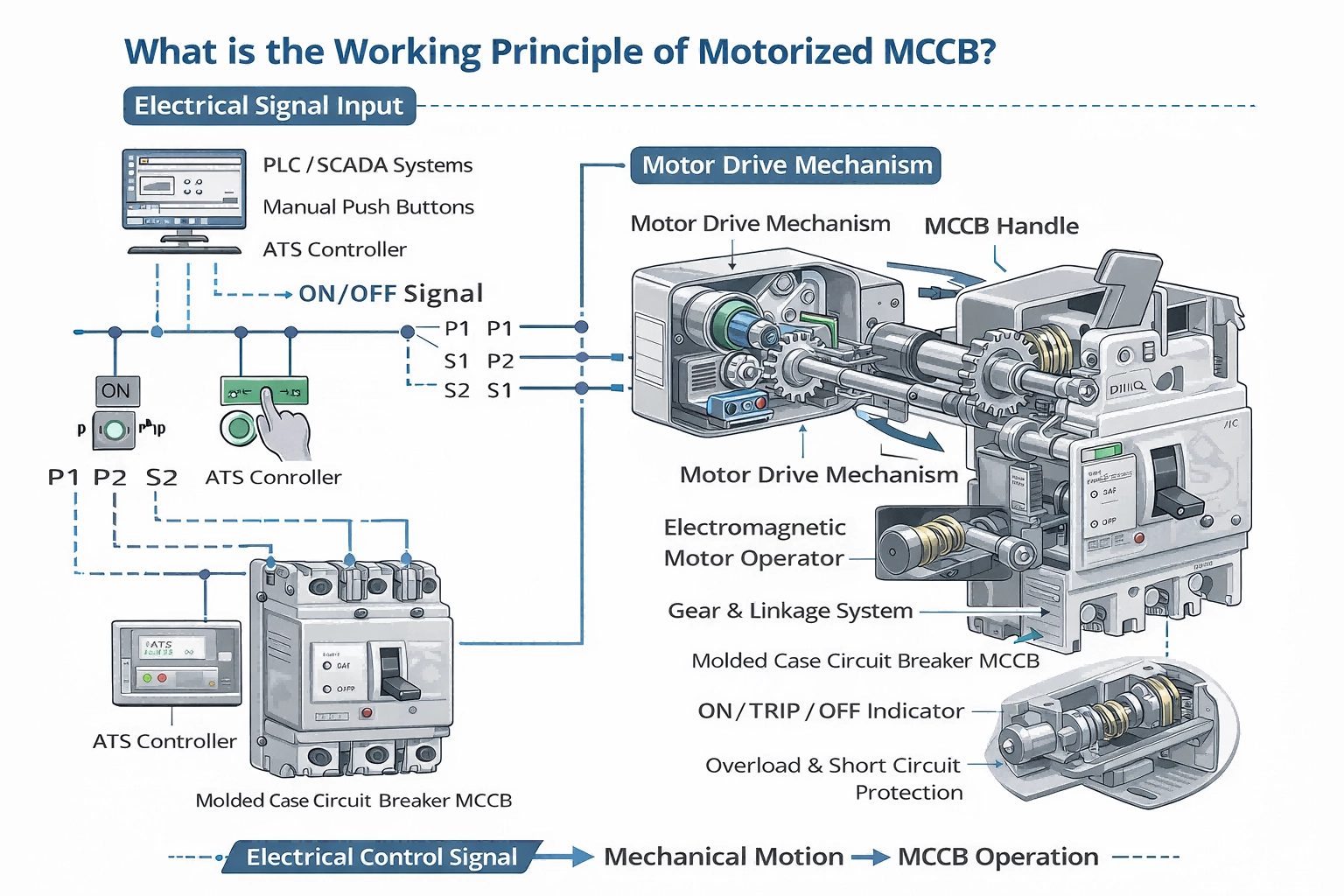
How to Use a Motorized MCCB Circuit Breaker for Remote Control and ATS Systems

30-Day DIY Electrical Panel Cost-Saving Guide – Day 3

30-Day DIY Electrical Panel Cost-Saving Guide – Day 2

How to Build Your Own Electrical Panel and Save Up to 60% on Costs
STE18-RF Prepaid IC Card Energy Meter
Can the meter support different electricity tariffs?
Yes. The meter supports multi-tariff settings and time-of-use (TOU) billing, allowing utilities to apply different electricity rates during different time periods.
What anti-tamper protections does the meter have?
The meter includes tamper detection features such as cover opening detection, event logging, and abnormal operation monitoring to help utilities prevent electricity theft.
NH series fuses
What standards and certifications can the product comply with?
Our fuses can comply with international low voltage protection standards and relevant certifications according to different market requirements.
Three-phase multifunction guide rail meter
Can it be used in industrial environments?
Yes, it is designed for industrial and commercial applications.
Is this energy meter suitable for three-phase four-wire systems?
Yes, it is specifically designed for three-phase four-wire power measurement.
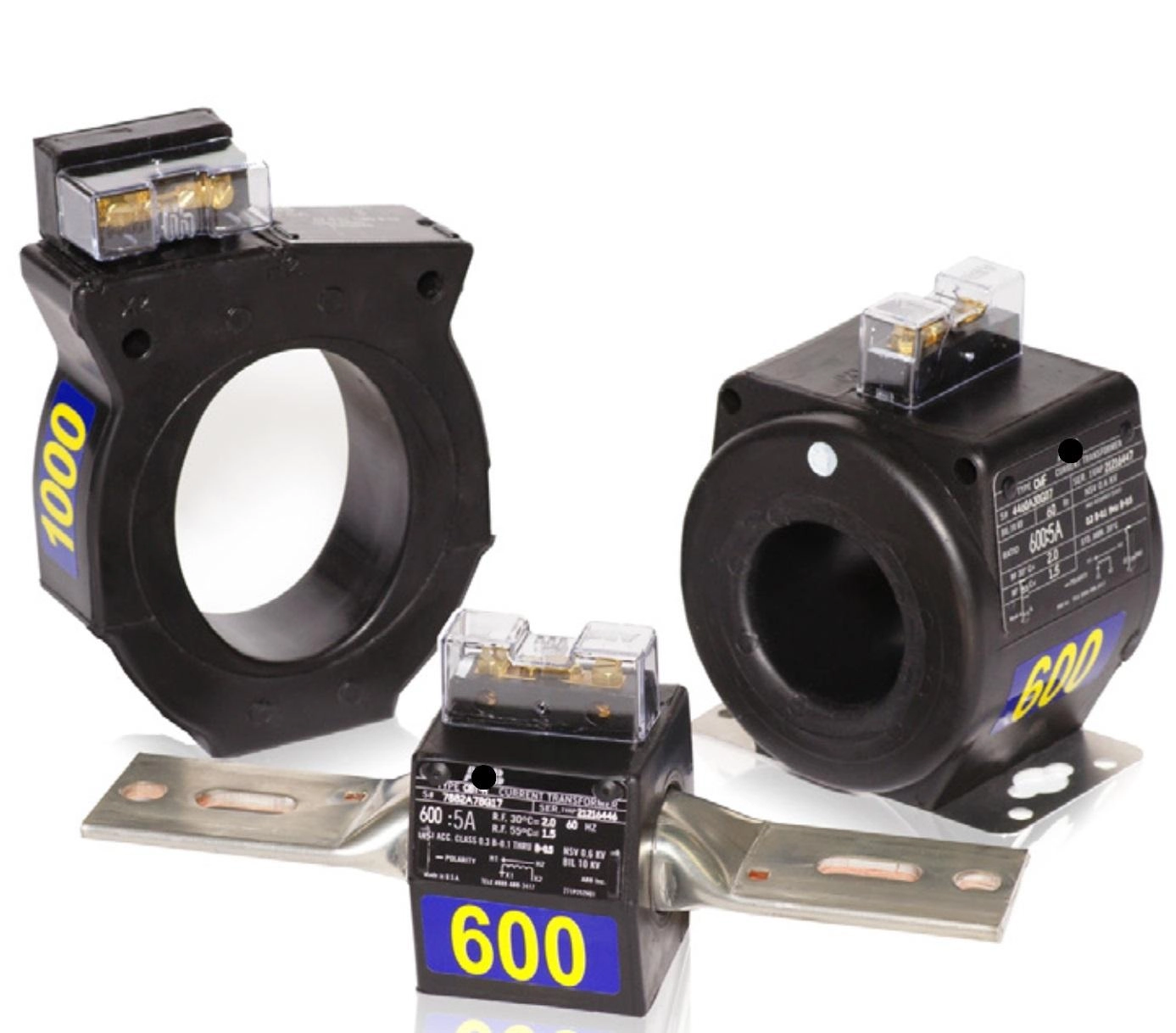
Low-voltage Current Transformer Extended Range Current Transformer (erct) Revenue Metering // window-type Current Transformer 0.2s
Low-voltage Current Transformer Extended Range Current Transformer (erct) Revenue Metering // window-type Current Transformer 0.2s
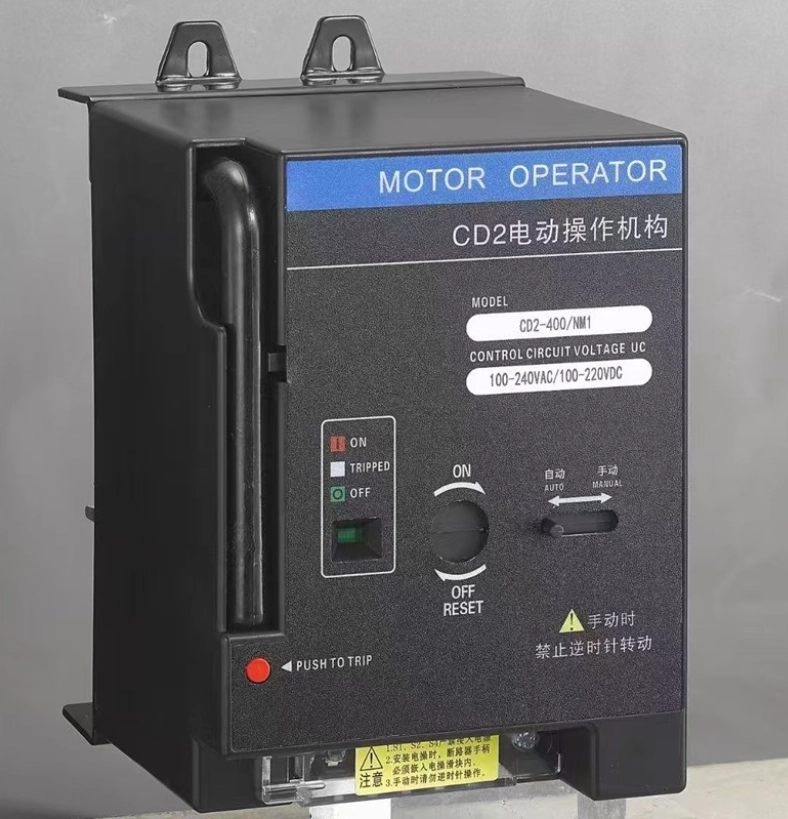
LCD2 Motorized MCCB Circuit Breaker with Remote Control | Molded Case Circuit Breaker for ATS Generator Power Distribution
NLCD2 motorized MCCB is designed for remote switching and automation control in low-voltage power systems. It supports AC/DC control voltage, fast operation, and reliable mechanical coupling, ideal for industrial panels, ATS systems, and smart energy applications.
EcoNewlink Three Phase anti backflow energy meter RS485 Modbus DINRail Zero Export for PV Inverter
This three-phase anti-backflow energy meter is designed for solar PV systems to prevent excess electricity from feeding back into the grid. With RS485 Modbus communication, it provides real-time data to the inverter for dynamic power control, helping maximize self-consumption and ensure compliance with grid regulations. Ideal for residential, commercial, and rental energy management systems.
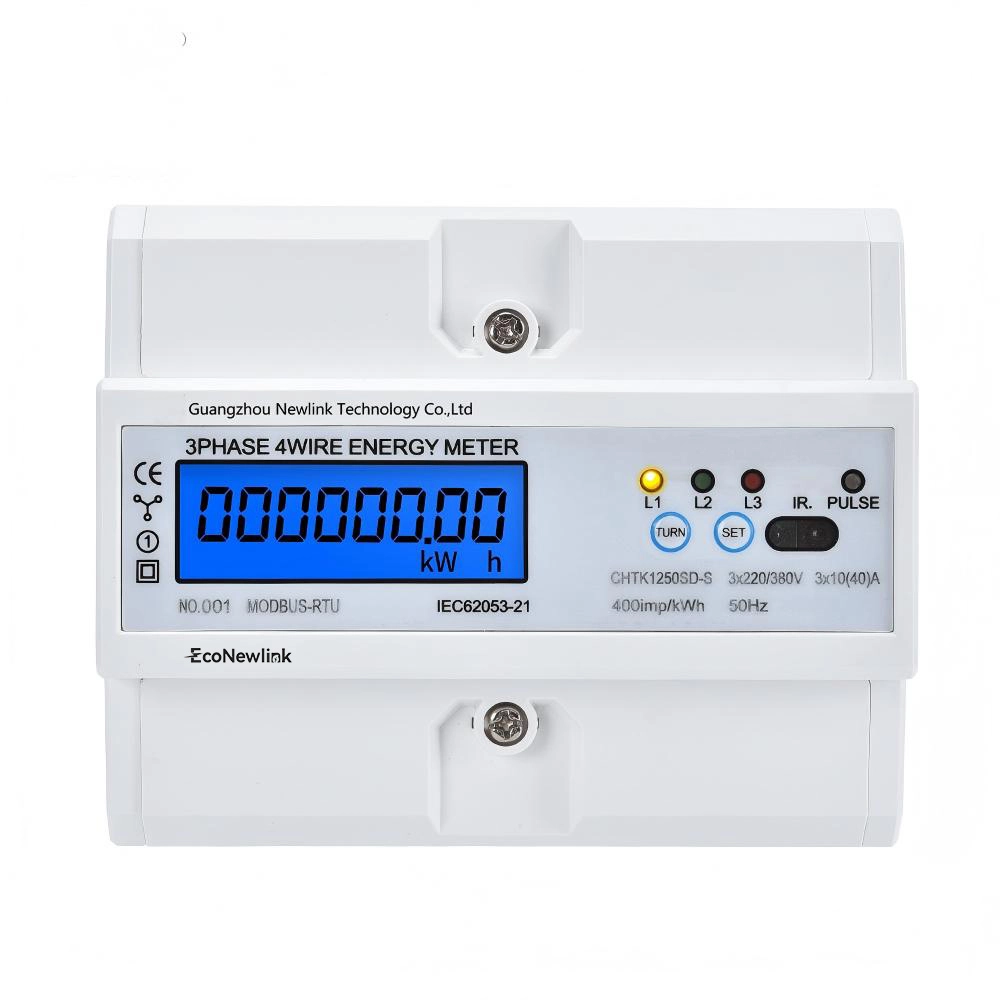
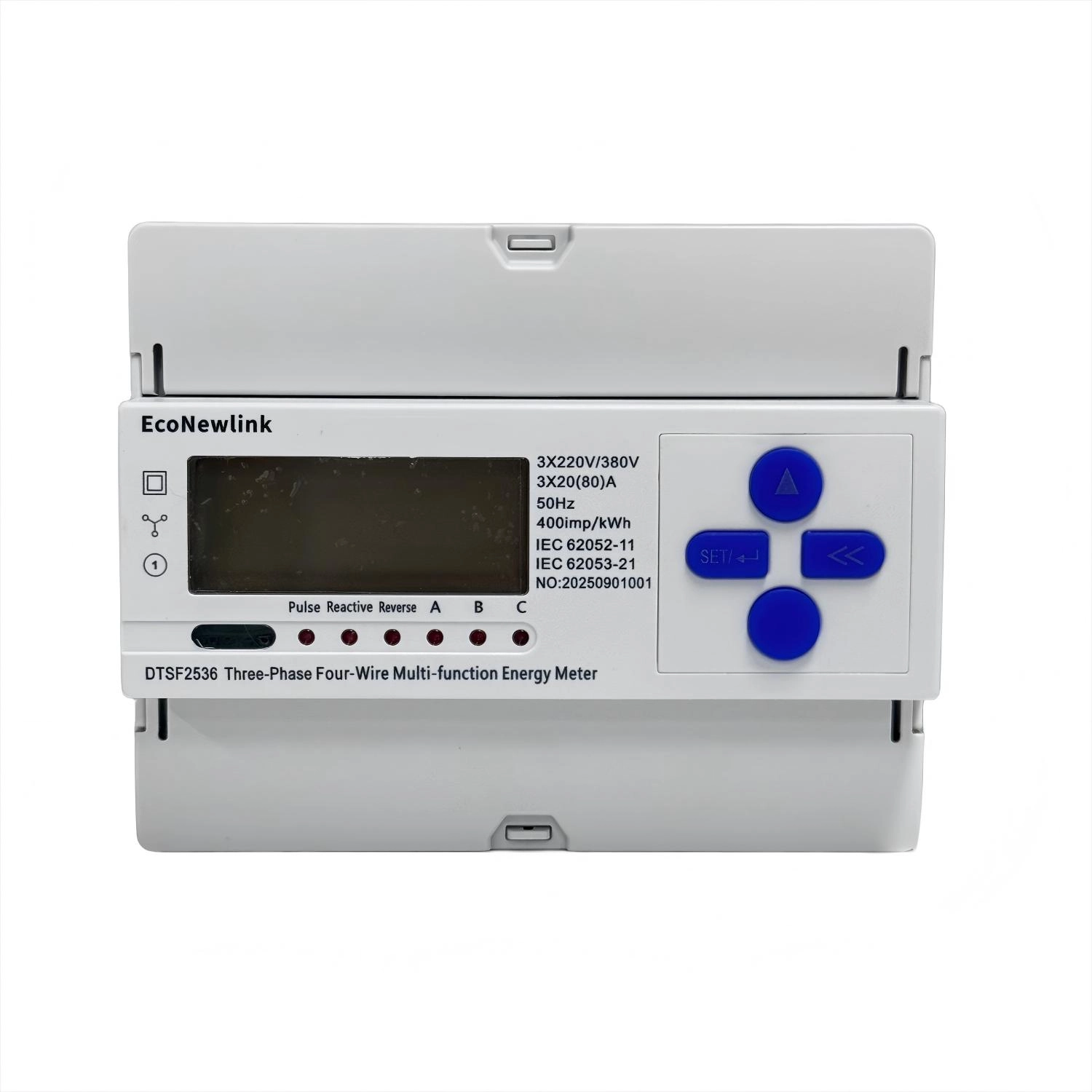
Three-Phase Four-Wire Multifunction Electronic DIN Rail Energy Meter Manufacturer with CE Certification
The Three-Phase Four-Wire Multifunction Electronic DIN Rail Energy Meter is a compact and high-accuracy smart meter designed for modern power monitoring systems. It features RS485 communication, pulse output, and a clear LCD display. With easy DIN rail installation and CE certification, it is ideal for industrial, commercial, and energy management applications.
Request More Information or Subscribe for Updates
Thank you for reading our article!
If you would like more detailed information, have specific questions, or want to stay updated with the latest articles and guides, please fill out the form below.
Our team will get back to you with tailored information and resources.
Powering the Future with Smart, Safe Solutions
EcoNewlink delivers cutting-edge intelligent power products and solutions to ensure safety, efficiency, and reliability in your power distribution systems.
Contact
Email: nali@newlink.ltd
WhatsApp:
Address: No.76 Chuangyu road, Zengcheng District, Guangzhou, China

 WhatsApp
EcoNewlink
EcoNewlink