





energy meter supplier | Insights by EcoNewlink
- 1) How can I reliably verify an energy meter supplier's manufacturing quality and compliance (MID/IEC/UL) before placing a bulk order?
- 2) For a three‑phase industrial billing application, which accuracy class and CT configuration should I specify to avoid disputes?
- 3) What are realistic lead times, MOQs and supply risks when sourcing smart energy meters from overseas suppliers?
- 4) How do I ensure communication protocol compatibility (DLMS/COSEM, Modbus, NB‑IoT) with my existing EMS or AMI platform?
- 5) What calibration, testing and on‑site verification should I require upon delivery to avoid inaccurate billing disputes?
- 6) How do I evaluate after‑sales support, warranty, spare parts and firmware update policy to minimize downtime?
Energy Meter Supplier: 6 Beginner Questions Buyers Keep Getting Wrong
When sourcing smart or billing energy meters from an energy meter supplier, newcomers face hidden technical and procurement pitfalls: non‑compliant hardware, wrong CT sizing, incompatible protocols, long lead times, insufficient testing and weak after‑sales. The answers below combine IEC/ANSI standards, practical factory and site checks, and sourcing tactics to reduce procurement risk.
1) How can I reliably verify an energy meter supplier's manufacturing quality and compliance (MID/IEC/UL) before placing a bulk order?
What to request before you commit:
- Certified documentation: Ask for copies of type test and certification documents—MID (EU Measuring Instruments Directive 2014/32/EU) or relevant national pattern approval, IEC/ANSI accuracy test reports (e.g., IEC 62053 series for active energy), and safety listings (UL/CSA/CE). Verify certificate numbers with the issuing body (TÜV, Intertek, UL).
- Test reports with traceable calibration: Request factory test certificates that reference the calibration lab and standards used (traceable to national standards like NIST or equivalent). For billing meters, look for Class 0.5s, 0.2s (IEC) or ANSI C12.20 0.2 accuracy reports as applicable.
- Factory quality system evidence: Request ISO 9001 audit report or a recent factory audit summary. If the supplier claims ISO/IEC compliance, ask for an auditor contact or certificate number and confirm through the registrar's website.
- Production and QA process details: Obtain descriptions of PCB-level inspections (AOI), environmental stress tests (temperature cycling), EMC/EMI test reports (EN 61000 series), and burn-in procedures. A supplier that publishes sample QC checklists demonstrates process maturity.
- Sample independent testing: Before ordering, buy a small number of production samples and send them to a third‑party lab for independent verification (accuracy sweep, CT linearity, EMC, safety). This is standard practice to avoid surprises on arrival.
- Factory visit or remote audit: If an on‑site visit is impractical, request a guided remote audit (live video of assembly lines, packing, raw component storage) and an independent third‑party factory audit report. Verify supply chain controls for critical components (MCU, power metering ICs).
2) For a three‑phase industrial billing application, which accuracy class and CT configuration should I specify to avoid disputes?
Key technical choices that directly affect billing accuracy:
- Accuracy class: For revenue/billing applications specify an accuracy class aligned with local regulations—commonly IEC 62053‑22 Class 0.5s or Class 0.2s for high-precision industrial billing, or ANSI C12.20 Class 0.2 for North American jurisdictions. Lower-cost Class 1.0 meters are for monitoring only and may be contested in billing disputes.
- Direct connect vs CT metering: If load current exceeds the meter's direct input rating (often 100A–200A), use external current transformers (CTs). For large industrial feeders, specify CT primary ratio, burden, and class (e.g., CT accuracy class 0.5 or 0.2). Match CT knee point and saturation characteristics to the expected system fault and harmonic content.
- CT selection details: Provide the supplier with maximum continuous current, short-term fault current, and the presence of DC offset or harmonics. Choose CTs with adequate VA burden rating and a K‑factor or accuracy curve that maintains accuracy under harmonic distortion if non‑linear loads exist.
- Connection topology: Specify whether you need whole‑current (direct) or CT‑based metering, CT polarity marking, and whether the meter supports multi‑CT (flexible ratios per phase) and automatic CT ratio programming in the firmware to avoid field configuration errors.
- Environmental and influence quantities: Confirm the meter's operational temperature, humidity, altitude ratings and how influence quantities (voltage variation, frequency deviation) affect accuracy—see the instrument's datasheet for influence factor tables required for contracts.
3) What are realistic lead times, MOQs and supply risks when sourcing smart energy meters from overseas suppliers?
Practical procurement expectations and mitigation tactics:
- Typical lead times: For stock, samples often ship within 1–4 weeks. For certified production runs, expect 4–12 weeks from order to shipment depending on certification, custom firmware, and component availability. Customized enclosures, additional testing, or bespoke calibration can extend lead times beyond 12 weeks.
- Minimum order quantities (MOQs): MOQs vary. Standard catalog meters may be available with low MOQs (10–50), while custom firmware/hardware batches commonly start at 100–500 units. Negotiate pilot runs (50–100 units) to validate before full production.
- Supply chain risks: Be aware of semiconductor volatility (lead component items such as metering ICs, cellular modules), shipping congestion, and import tariffs. Ask suppliers for Bill of Materials (BOM) risk assessment and alternative part options to prevent single‑source choke points.
- Mitigation strategies: Stagger orders, maintain buffer stock aligned with consumption, include extended lead‑time clauses in contracts, and require supplier notification of long‑lead component changes. Consider working with suppliers who maintain local inventory or have regional distribution centers.
4) How do I ensure communication protocol compatibility (DLMS/COSEM, Modbus, NB‑IoT) with my existing EMS or AMI platform?
Checklist to guarantee interoperability:
- Specify protocol stack in the contract: For utility-grade deployments, DLMS/COSEM (IEC 62056) is the de‑facto standard for secure, billing‑grade data exchange in many regions—explicitly request DLMS compliance and the meter's COSEM object list (OBIS codes supported). For industrial or BMS use, Modbus RTU/TCP over RS485/Ethernet is still common.
- Confirm physical layer support: Ensure the meter supports the physical interface you need (RS485, RS232, Ethernet, optical port, LoRaWAN, NB‑IoT, or LTE‑Cat M1) and that pinouts/termination resistors are documented.
- Authentication and security: For cellular or IP‑based protocols, require TLS/IPsec support and firmware security (signed firmware images) and for DLMS use the security levels (low, high, or authentication and encryption) in the meter's spec. Ask for details on key management for secure deployments.
- OBIS/object list and register mapping: Request a clear register map (OBIS codes or Modbus register map) matching your EMS/AMI fields. Conduct a factory or pilot integration test where the meter is read by your head-end system to validate parsing and scaling factors.
- SIM and connectivity provisioning: For NB‑IoT/cellular modules, clarify whether the meter ships with preconfigured SIMs, eSIM profiles, or whether you must provision network access. Confirm APN settings, fallback strategies, and roaming policies.
5) What calibration, testing and on‑site verification should I require upon delivery to avoid inaccurate billing disputes?
Tests and acceptance steps to include in your purchase order:
- Pre‑shipment tests: Require a factory test certificate per unit showing full accuracy sweep at 0.5–100% of rated current, power factor tests (lag/lead), and voltage variation tests in accordance with IEC 62053 or ANSI specs. Include EMC and safety test summaries.
- On‑site acceptance test (SAT): Define SAT procedures—verify CT polarity, meter factor, phase sequence, and perform a short duration comparison with a calibrated portable reference meter (calibration certificates traceable to a national lab). Log test results and retain photos/scans of configuration.
- Periodic recalibration interval: For revenue meters, specify calibration intervals (commonly 1–4 years depending on local regulation). Include recalibration and adjustment procedures in the contract and whether the supplier provides or recommends accredited labs for recalibration.
- Field verification tools and documentation: Require the supplier to provide configuration guides, a complete register map, and recommended site acceptance checklists. For large rollouts, consider automated testing rigs or handheld verifiers to speed commissioning and reduce human error.
6) How do I evaluate after‑sales support, warranty, spare parts and firmware update policy to minimize downtime?
Service guarantees and lifecycle considerations:
- Warranty terms: Ask for clear warranty coverage (typically 12–36 months) that includes hardware defects, firmware defects, and clear RMA procedures. Ensure turnaround times for RMA repairs and replacement policies are contractually defined.
- Spare parts and consumables: Confirm availability and lead times for spare parts (CTs, terminal blocks, communication modules, LCDs). Request lifetime support windows—for example, commitment to supply spares for X years after end of production.
- Firmware updates and security: Insist on signed firmware updates, a documented update process (OTA vs local), and a vendor policy for security patches. For mass deployments, require staged rollout support and fallback mechanisms to avoid bricking devices during updates.
- Local support and training: Determine whether the supplier offers local technical representatives, training for your commissioning teams, and remote diagnostics (log retrieval, event reporting). Evaluate their SLA response times for critical issues.
- SLA and spare unit strategy: For critical feeders, negotiate an SLA with defined MTTR and consider a pool of spare meters kept locally to replace failed units quickly while ROM/repairs are processed.
Throughout procurement, use clear acceptance criteria and technical annexes in contracts (accuracy tests, communication tests, environmental endurance). Insist on third‑party test reports for billing meters and maintain an independent sample testing budget to verify supplier claims.
Why Econewlink? Choosing an experienced energy meter supplier reduces risk: insist on certifiable test reports (IEC 62053/62056, MID/ANSI), confirmed protocol support (DLMS/COSEM, Modbus, NB‑IoT), documented QA processes and clear warranty/RMA terms. Econewlink (www.econewlink.com) can supply MID/IEC‑compliant smart energy meters, provide sample independent testing, and support protocol integration and on‑site acceptance tests. Contact us at nali@newlink.ltd for a quote or to request factory documentation and sample testing options.
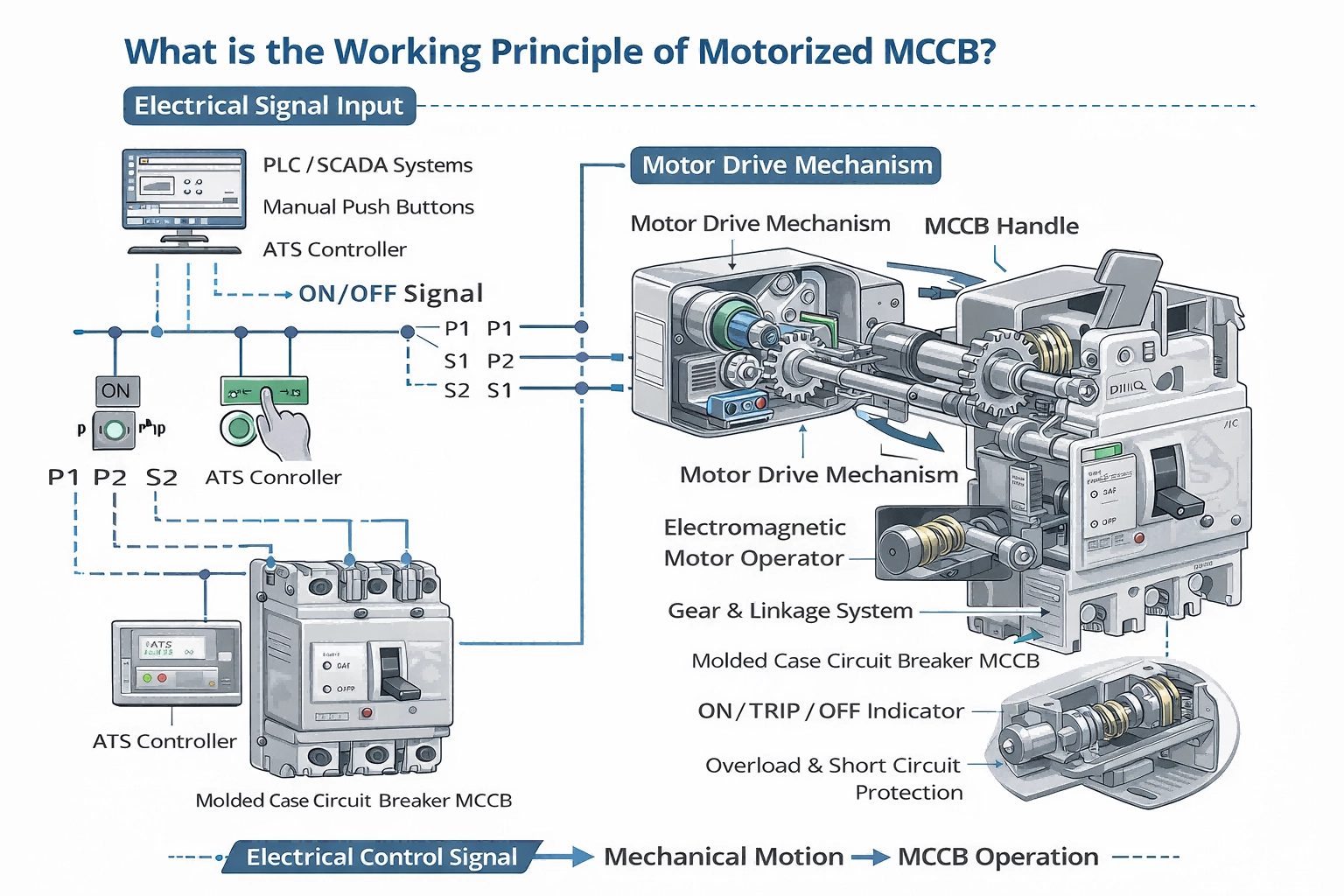
How to Use a Motorized MCCB Circuit Breaker for Remote Control and ATS Systems

30-Day DIY Electrical Panel Cost-Saving Guide – Day 3

30-Day DIY Electrical Panel Cost-Saving Guide – Day 2

How to Build Your Own Electrical Panel and Save Up to 60% on Costs
Three-phase power meter
Is the product internationally certified?
The product is certified to CE, GRS, and RoHS standards for global market compliance.
MCCB NLECB-250
Can it work with solar or hybrid inverter systems?
Yes, it is compatible with PV and hybrid setups where automatic reclosing and multi-protection are required.
LCD2 Series Motorized Operating MCCB
Where is it installed?
Typically inside cabinets, switchgear, or low-voltage distribution rooms.
NLDM1 Molded Case Circuit Breaker(MCCB)
Can you provide OEM or customized MCCB solutions?
Yes, we offer OEM and ODM services as an MCCB manufacturer.
NH series fuses
Do you support OEM and customized specifications?
Yes. As a source manufacturer, we provide OEM branding, customized current ratings, packaging design, and technical solutions based on your project requirements.
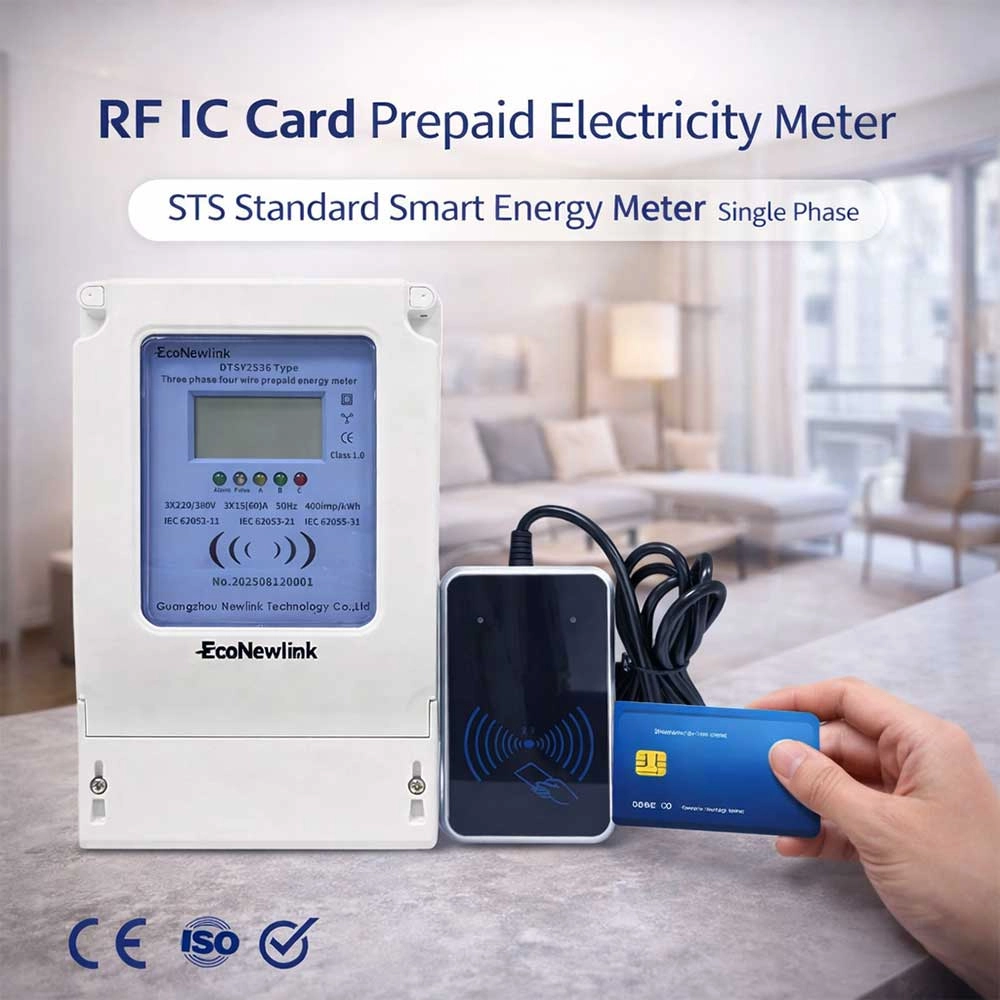
STE18-RF Prepaid IC Card Energy Meter – STS Compliant RF Smart Electricity Meter for Secure Prepaid Power Management and Vending System Integration
The STE18-RF Prepaid IC Card Electricity Meter is an STS-compliant smart energy meter designed for secure and efficient prepaid power management. Using reliable RF IC card communication, the meter enables accurate electricity data storage, token-based credit management, and seamless integration with vending systems or handheld units. Its modular plug-and-play architecture supports flexible smart metering deployment while ensuring stable performance, tamper protection, and offline operation without continuous network connectivity.
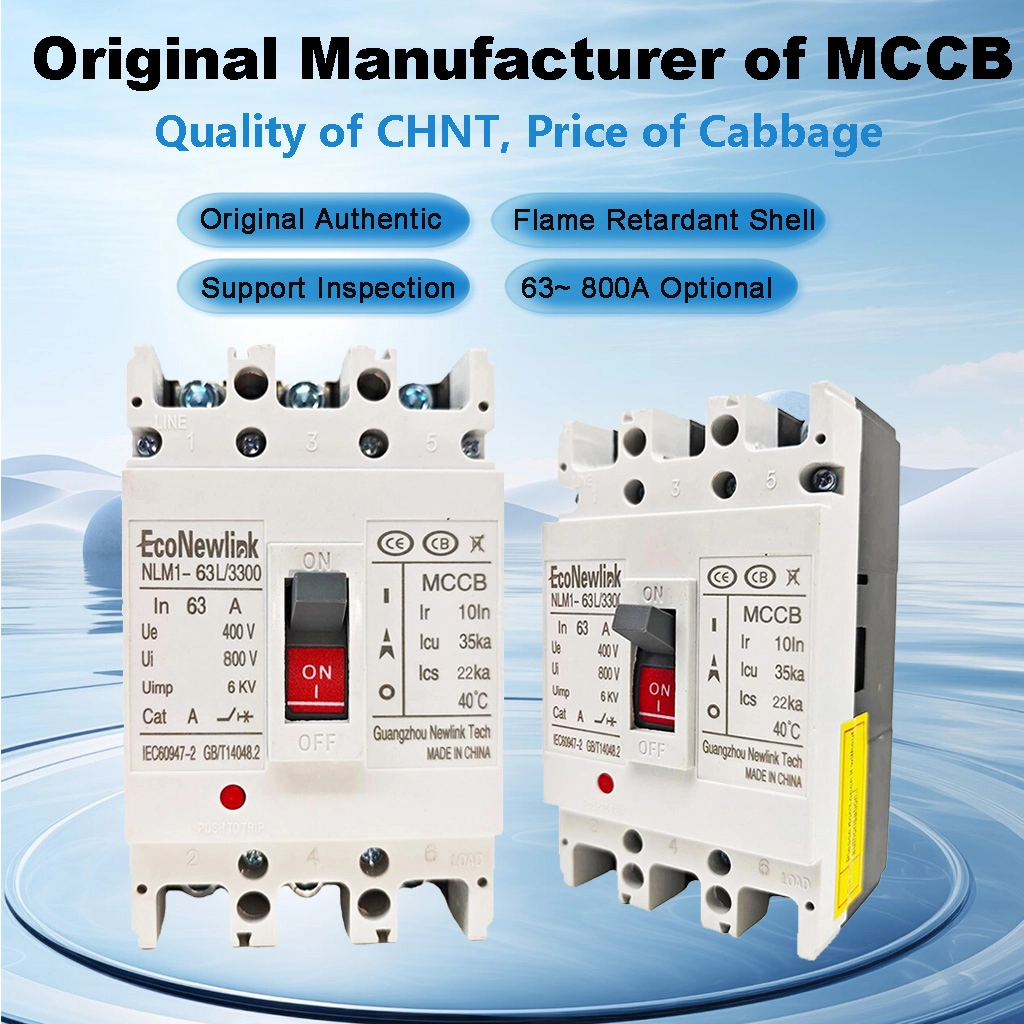
M1 / NLDM1 Series Moulded Case Circuit Breaker MCCB Manufacturer | 400V–1000V | 10A–2000A | High Breaking Capacity
The M1 / NLDM1 Series moulded case circuit breaker (MCCB) is designed for AC power distribution up to 1000V and 2000A. It provides overload, short circuit and undervoltage protection with high breaking capacity, compact design and modular accessories. Ideal for industrial, commercial and motor protection applications.
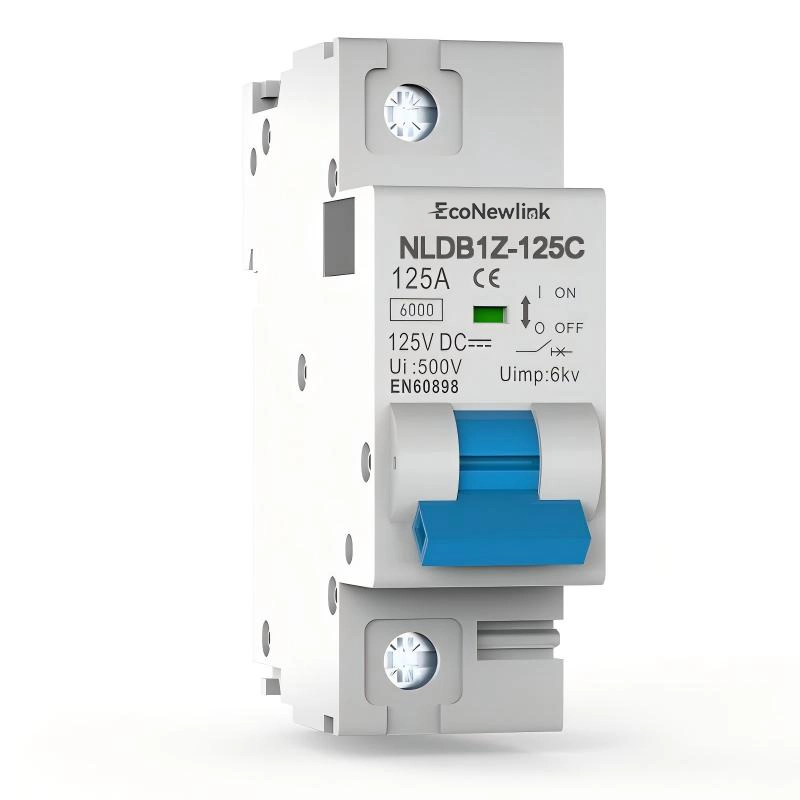
DIN Rail Solar DC MCB Circuit Breaker 63A-125A 250V DIN Rail Miniature Circuit Breaker for Photovoltaic System
High-performance DC miniature circuit breaker for solar photovoltaic systems, supporting 63A-125A current and up to 250V DC voltage. DIN rail installation, optional 6kA/10kA breaking capacity, reliable protection for solar panels, battery systems and DC distribution.
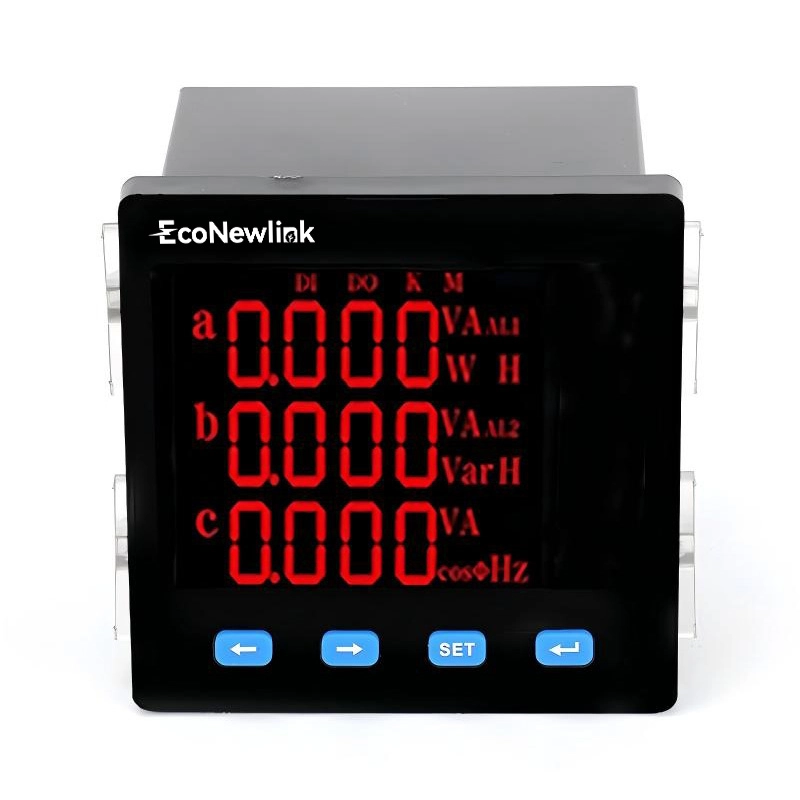
EcoNewlink 3 phase energy meter RS485 Modbus multifunctional power meter DIN rail kWh
The EcoNewlink Three-Phase Multifunctional Power Meter is engineered for complex industrial power distribution systems. Featuring a user-friendly interface, robust anti-interference performance, and reliable RS485 communication, it delivers real-time, high-accuracy energy data. Certified to CE, GRS, and RoHS standards, this meter is available for factory-direct bulk supply and deep OEM/ODM customization to ensure long-term system stability.
Request More Information or Subscribe for Updates
Thank you for reading our article!
If you would like more detailed information, have specific questions, or want to stay updated with the latest articles and guides, please fill out the form below.
Our team will get back to you with tailored information and resources.
Powering the Future with Smart, Safe Solutions
EcoNewlink delivers cutting-edge intelligent power products and solutions to ensure safety, efficiency, and reliability in your power distribution systems.
Contact
Email: nali@newlink.ltd
WhatsApp:
Address: No.76 Chuangyu road, Zengcheng District, Guangzhou, China

 WhatsApp
EcoNewlink
EcoNewlink