





what certifications should an energy meter supplier have? | Insights by EcoNewlink
- 1) How do I verify that a supplier’s claimed accuracy class (eg. 0.2s / 1.0) is real and traceable, not just marketing?
- 2) For multi-country projects, which regional metrological approvals (MID/ANSI/OIML/etc.) must I require and how do I confirm them?
- 3) Which factory certifications and process controls should I require to avoid batch-to-batch variability and early failures?
- 4) How should I assess an energy meter’s cybersecurity posture and firmware supply-chain controls before procurement?
- 5) What exact test reports and acceptance-tests (FAT/SAT) should I mandate in the contract to guarantee metrological performance on delivery?
- 6) What documentation or on-site findings are red flags that a supplier may be cutting corners or selling products with counterfeit certificates?
1) How do I verify that a supplier’s claimed accuracy class (eg. 0.2s / 1.0) is real and traceable, not just marketing?
Demand three distinct documentary layers: type-test reports, routine/batch test certificates and traceable calibration certificates. For type tests, ask for the laboratory report that shows tests performed against the applicable IEC standards (IEC 62052-11 general requirements and the relevant IEC 62053 series for static meter accuracy), with test conditions (voltage, current, temperature, power factor) matching your deployment profile. A valid type-test report will identify the exact model number and firmware version tested.
Routine tests (every manufactured unit or statistically sampled batch) should include numeric results: no merely “pass” stamps. These must list serial numbers, test technician signature and date. Crucially, calibration and testing must be performed by an ISO/IEC 17025-accredited lab (ILAC-recognized accreditation bodies: UKAS, NATA, CNAS, etc.). The certificate should explicitly state traceability to national standards (NIST, NMI, NPL or local National Metrology Institute).
Red flags: scanned PDFs without laboratory headers or accreditation marks, inconsistent model/firmware references between test reports and supplied units, or certificates missing serial numbers. When in doubt, contact the issuing lab (accreditation bodies maintain searchable registers) to confirm authenticity.
2) For multi-country projects, which regional metrological approvals (MID/ANSI/OIML/etc.) must I require and how do I confirm them?
Regional/market approvals are non-negotiable for billing-grade meters. For the EU/EEA, require a MID (Directive 2014/32/EU) conformity certificate for active energy meters. In the United States, request evidence of compliance with the ANSI C12 series (type approval and/or NIST traceability for custody-transfer applications) and check for any state-level utility acceptance requirements. Many countries rely on OIML recommendations or national type-approval schemes; always confirm the specific OIML recommendation or national regulation that applies in the target country.
How to verify: request the pattern-approval or type-approval certificate with the issuing authority’s unique certificate number (for MID, the notified body and EC-type examination certificate). For ANSI/US projects, ensure test data aligns with ANSI C12 test procedures and request correspondence with the approving laboratory/authority. If deploying across several markets, ask the supplier for a validated multi-market type-test matrix (which shows which test reports/certificates cover which markets).
3) Which factory certifications and process controls should I require to avoid batch-to-batch variability and early failures?
Minimum management-system certifications: ISO 9001:2015 (quality management) and ISO/IEC 17025 for test labs. For environmental and safety aspects, expect ISO 14001 and ISO 45001 where occupational and environmental risk are material. Beyond certificates, verify production controls specific to electronics manufacturing:
- IPC-A-610 acceptance criteria and J-STD-001 (soldering) adherence for PCB assembly.
- Controlled BOM and traceability (material lot numbers, RoHS/REACH compliance documentation).
- Process capability metrics (Cp/Cpk) for critical processes: SMT placement, reflow, conformal coating thickness, etc.
- Environmental Stress Screening (ESS) or burn-in procedures, and HALT/HASS results where claimed.
- Incoming inspection (IQC) and final inspection (FQC) sampling plans with documented statistical sampling methodology.
During factory audits, verify line-level data (SMT OEE, rework rates, measured defect-per-million), shop-floor traceability (labeling, MES records), and calibration status of test benches. These operational metrics predict batch consistency far better than marketing claims.
4) How should I assess an energy meter’s cybersecurity posture and firmware supply-chain controls before procurement?
Smart meters are increasingly attack vectors. Ask for explicit evidence of secure development and lifecycle controls: compliance with IEC 62443 or IEC 62351 (where applicable), a documented Secure Development Lifecycle (SDL), signed firmware images (cryptographic signatures), and an update/patching policy that includes secure OTA mechanisms and rollback protection.
Request:
- A current vulnerability disclosure policy and recent penetration-test or third-party security assessment reports; ensure tests reference specific firmware versions.
- Evidence of SBOM (software bill of materials) and third-party component vulnerability tracking aligned with a CVE remediation timetable.
- Details on authentication and encryption used for remote access and meter-to-headend communication (DLMS/COSEM over IEC 62056, TLS/IPsec where applicable).
Red flags: supplier refusal to provide test evidence, unsigned firmware delivered in production units, or lack of a patch/incident response policy.
5) What exact test reports and acceptance-tests (FAT/SAT) should I mandate in the contract to guarantee metrological performance on delivery?
Include a contract-packed Acceptance Test Plan (ATP) that references standards and lists pass/fail criteria. Required documents and tests typically include:
- Type-test reports (IEC 62052-11; IEC 62053 series) covering accuracy, temperature, humidity, vibration, and EMC.
- EMC/EMI test reports aligned to IEC 61000 series and CE/EMC directive (for EU projects).
- Routine/production test reports for each serial number shipped (or statistically sampled batch reports if agreed).
- IP/Ingress protection certificate per IEC 60529 if outdoor enclosures are used.
- FAT checklist covering functional tests, accuracy at multiple currents (starting current, 10%, 50%, 100% and overload), power-factor points, harmonic conditions, real-time clock accuracy, and communications (DLMS/COSEM interoperability and handshake tests).
- SAT/commissioning tests to be performed on arrival: on-site metrological verification and a defined corrective action window.
Contract language should mandate retention of test records for a defined period and grant buyer rights to sample-test delivered units at an accredited lab. Define warranty remedies tied to metrological drift thresholds verified by an ISO/IEC 17025 lab.
6) What documentation or on-site findings are red flags that a supplier may be cutting corners or selling products with counterfeit certificates?
Watch for these high-risk indicators:
- Certificates without laboratory accreditation identifiers or with inconsistent contact details. Accredited labs publish registries—verify the certificate number directly with the accreditation body (for example, via UKAS, NATA, CNAS).
- Test reports that lack serial numbers, model references, test conditions, or signatures.
- Discrepancies between the product label/firmware version and the model cited in the test report.
- Refusal to allow independent sampling or third-party tests, or prohibitions on buyer-conducted testing in procurement contracts.
- Rapid, unusually low-cost quotations for standards-compliant meters (cost anomalies often indicate omitted tests or substandard components).
- Factory visits showing missing test benches, reused or non-calibrated test jigs, or lack of traceability processes.
If you find these red flags, require immediate re-validation by an independent ISO/IEC 17025 lab and consider conditional acceptance subject to successful third-party verification.
Advantages of choosing certified energy meter suppliers:
Working with suppliers who hold the right metrological approvals (MID/ANSI/OEM-specific), ISO 9001-managed production, ISO/IEC 17025-accredited testing, and documented cybersecurity controls reduces deployment risk, shortens commissioning time, and protects revenue streams. Certified suppliers provide traceable test evidence, consistent batch quality, regulated-market acceptance, and a documented corrective path if failures occur—saving total cost of ownership and reputation risk.
For project quotes, factory-audit support, or to request our sample ATP templates and supplier audit checklist, contact us for a quote: www.econewlink.com or email nali@newlink.ltd.
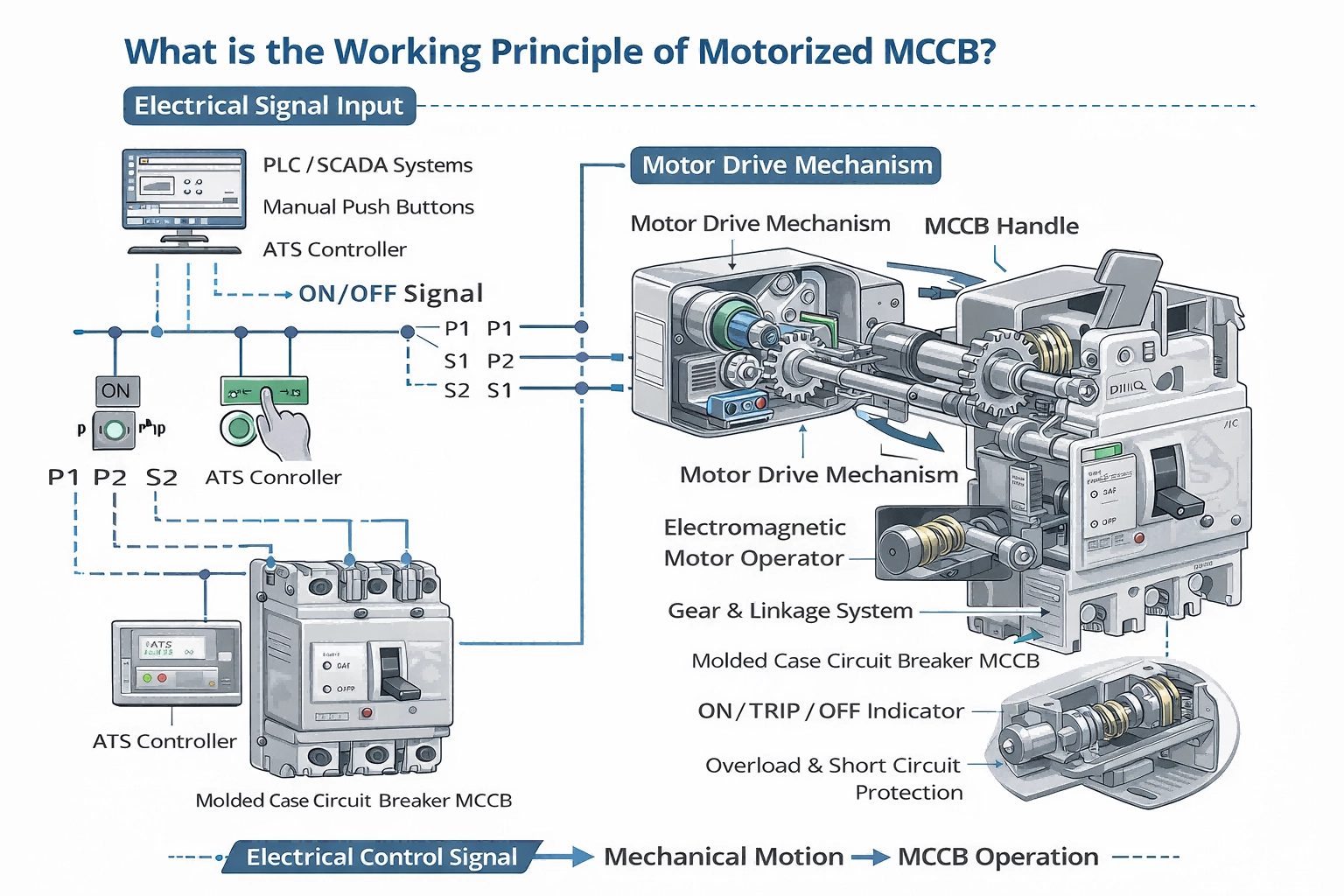
How to Use a Motorized MCCB Circuit Breaker for Remote Control and ATS Systems

30-Day DIY Electrical Panel Cost-Saving Guide – Day 3

30-Day DIY Electrical Panel Cost-Saving Guide – Day 2

How to Build Your Own Electrical Panel and Save Up to 60% on Costs
Three-phase multifunction guide rail meter
Are you a manufacturer or a trading company?
We are a professional energy meter manufacturer with factory direct supply.
Current Transformer(CT)
Can the primary conductor pass multiple turns through the window?
Yes. The actual primary ampere turns equal the number of conductor turns multiplied by the actual current. This allows flexible current ratio adjustment.
Is secondary grounding required during installation?
Yes. One side of the secondary winding must be reliably grounded to ensure safety and prevent dangerous open circuit conditions.
3P NLCD2 Series Motorized Operating MCCB
Is this MCCB motorized breaker automatic?
It supports remote ON/OFF control but requires external ATS or controller for automatic switching.
Tuya WiFi Smart Recloser
How is the breaker installed?
The device supports standard 35mm DIN rail installation, commonly used in electrical distribution boxes.
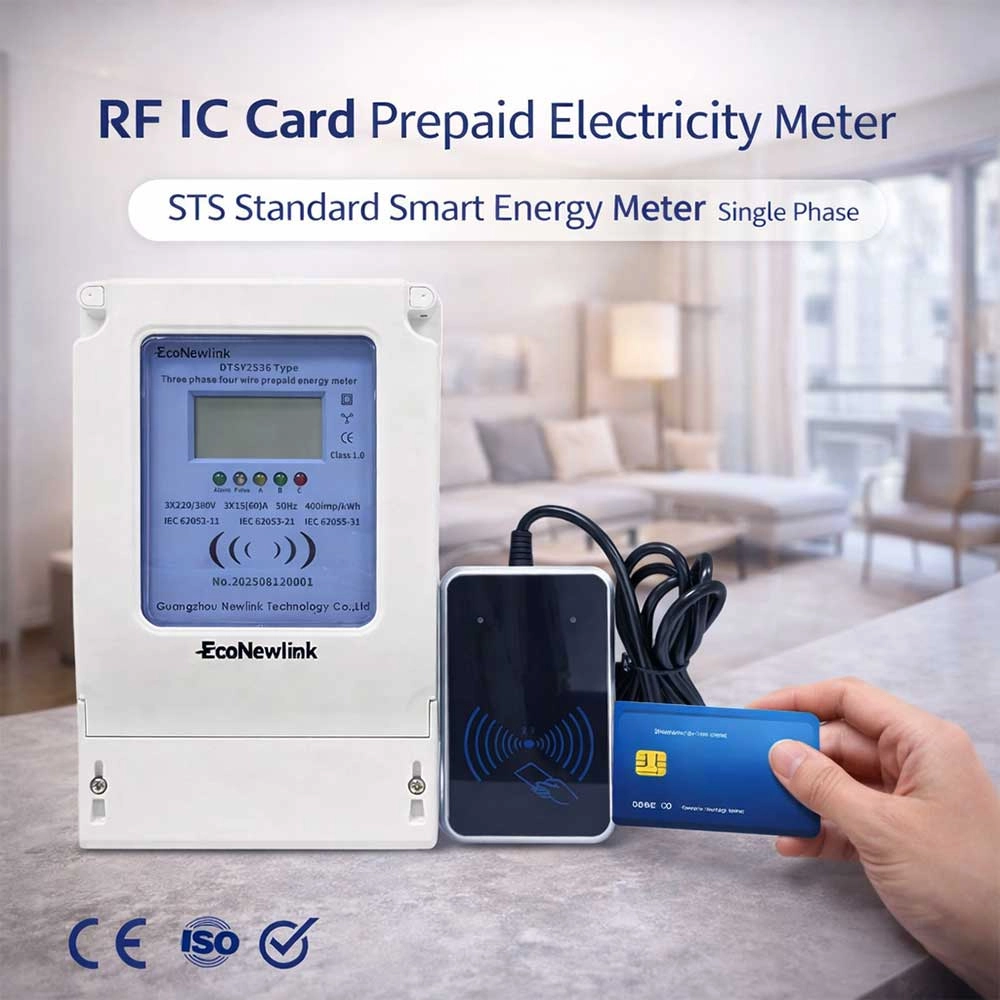
STE18-RF Prepaid IC Card Energy Meter – STS Compliant RF Smart Electricity Meter for Secure Prepaid Power Management and Vending System Integration
The STE18-RF Prepaid IC Card Electricity Meter is an STS-compliant smart energy meter designed for secure and efficient prepaid power management. Using reliable RF IC card communication, the meter enables accurate electricity data storage, token-based credit management, and seamless integration with vending systems or handheld units. Its modular plug-and-play architecture supports flexible smart metering deployment while ensuring stable performance, tamper protection, and offline operation without continuous network connectivity.
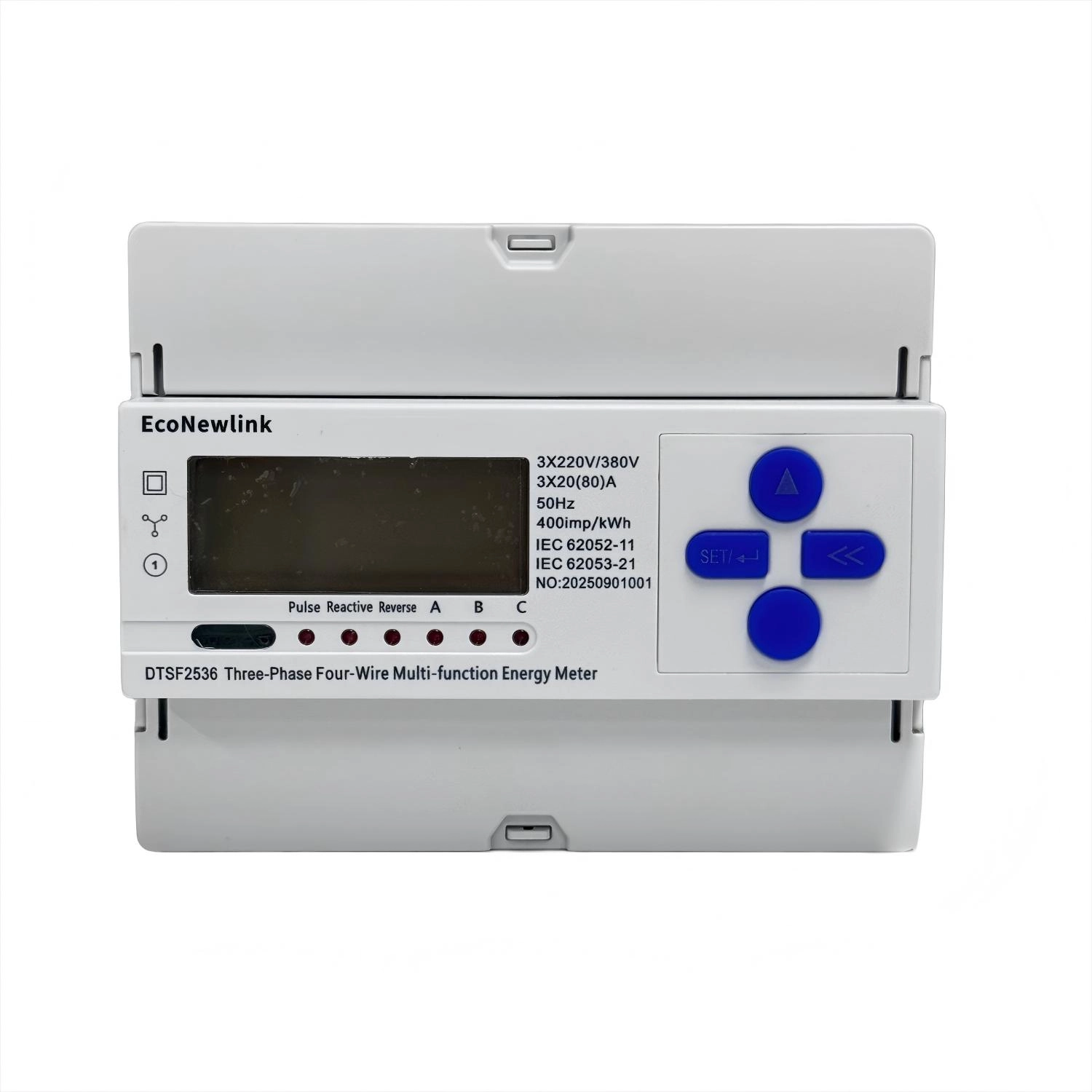
EcoNewlink Three Phase anti backflow energy meter RS485 Modbus DINRail Zero Export for PV Inverter
This three-phase anti-backflow energy meter is designed for solar PV systems to prevent excess electricity from feeding back into the grid. With RS485 Modbus communication, it provides real-time data to the inverter for dynamic power control, helping maximize self-consumption and ensure compliance with grid regulations. Ideal for residential, commercial, and rental energy management systems.
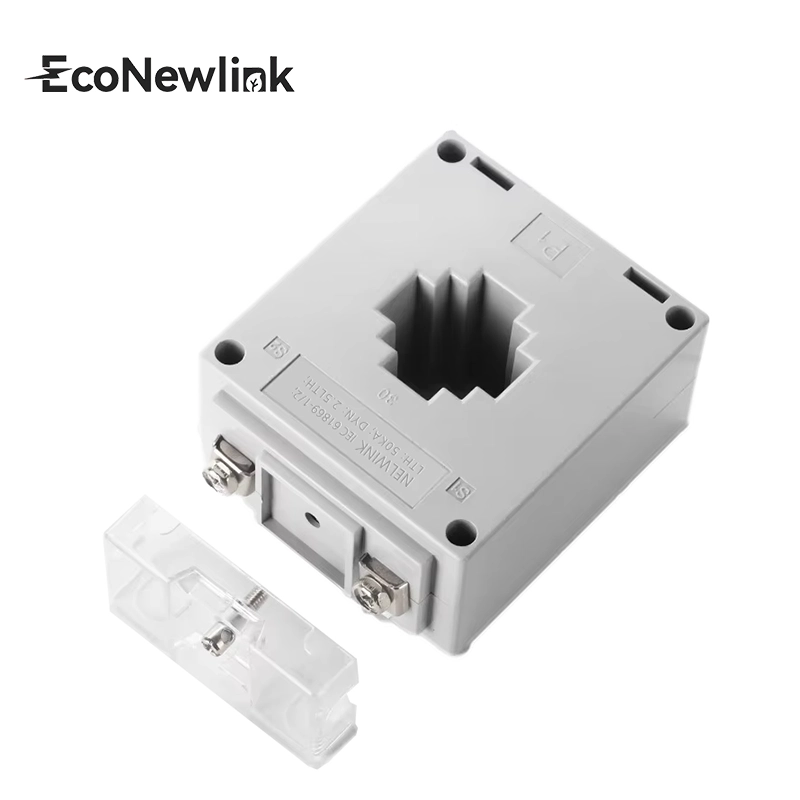
NLK1-0.66 0.66kV Indoor Current Transformer for Energy Metering and Relay Protection High Accuracy Sealed Anti Tamper Design ISO CE Certified Manufact
NLK1-0.66 Indoor Current Transformer is designed for low voltage power distribution systems up to 0.66kV, operating at 50/60Hz. It ensures accurate current measurement and reliable relay protection while providing electrical isolation from high voltage circuits. Featuring anti tamper sealed cover design, stable performance, ISO and CE certified quality, ideal for energy metering applications.
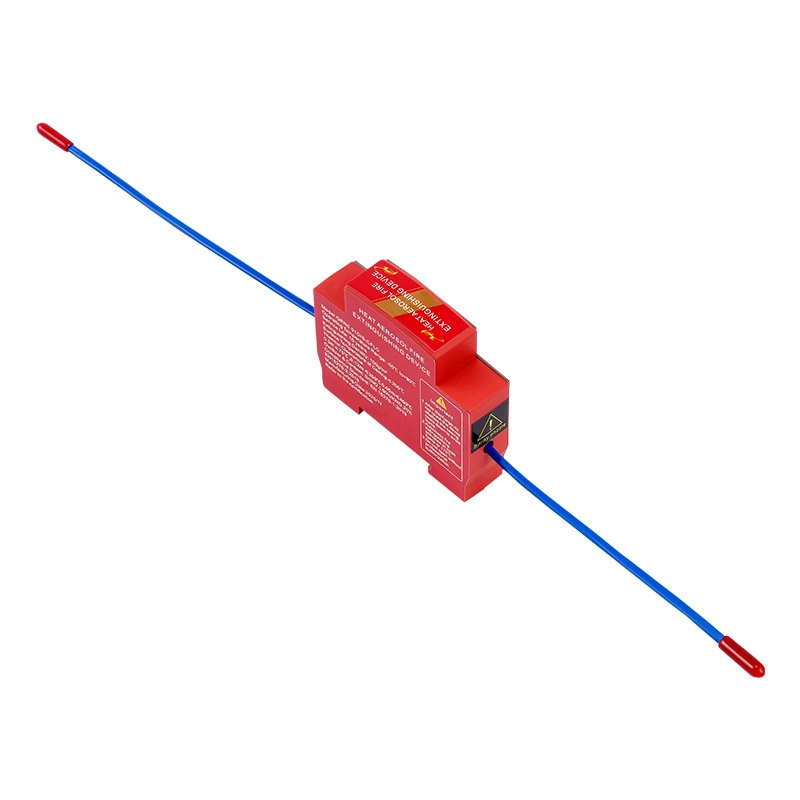
Distribution cabinet fire protection fire-fighting
Heat Aerosol FireExtinguishing Device
Request More Information or Subscribe for Updates
Thank you for reading our article!
If you would like more detailed information, have specific questions, or want to stay updated with the latest articles and guides, please fill out the form below.
Our team will get back to you with tailored information and resources.
Powering the Future with Smart, Safe Solutions
EcoNewlink delivers cutting-edge intelligent power products and solutions to ensure safety, efficiency, and reliability in your power distribution systems.
Contact
Email: nali@newlink.ltd
WhatsApp:
Address: No.76 Chuangyu road, Zengcheng District, Guangzhou, China

 WhatsApp
EcoNewlink
EcoNewlink