





What is the standard production lead time for bulk orders?
- How can I verify a supplier's claimed SCCR (short-circuit current rating) for medium/low-voltage switchgear before approving bulk production?
- When ordering 50–200 distribution panels, how should I structure the BOM and approvals to minimize lead-time delays caused by long-lead components and substitutions?
- What minimum engineering documentation and sign-offs should I require to avoid rework and delivery delays for custom PDUs and switchboards?
- How should I calculate the true landed cost for a bulk switchgear order (factory price isn’t enough)? What line items do buyers usually miss?
- What realistic FAT and acceptance criteria should I set for batch deliveries to prevent acceptance based solely on visual checks?
- What is the standard production lead time for bulk orders of power distribution equipment and how can I shorten it without paying excessive High Qualitys?
How can I verify a supplier's claimed SCCR (short-circuit current rating) for medium/low-voltage switchgear before approving bulk production?
Why it matters: Incorrect SCCR can cause catastrophic equipment failure and liability exposure. Many online answers are generic; buyers need step-by-step verification to avoid surprises.
Practical verification steps you should require before production approval:
- Ask for certified test reports: UL/IEC third-party laboratory reports or manufacturer test certificates that reference the exact model, serial or type number, fault current level and the test date. Accept laboratory accreditation such as ISO/IEC 17025 where available.
- Request calculation files: engineering calculations that show busbar design, conductor cross-sections, bolted connections, and short-time withstand durations (e.g., 1s, 3s) using recognized standards (IEC 61439 series, IEEE C37.x, or UL 1558/891 as applicable).
- Confirm component SCCRs: breakers, fuses and contactors must have their own SCCR ratings. Require vendor datasheets and synergy calculations (how individual component ratings combine into panel SCCR).
- Factory Acceptance Test (FAT) clause: include a FAT scope in the contract covering steady-state and transient tests that validate SCCR assumptions (where practical). For very high fault levels, specify third-party witness or witnessed short-circuit testing if required by insurance or project spec.
- Design margins & labeling: insist the supplier specifies applied margins (usually ≥10–25% for site uncertainties) and that each assembly is permanently labeled with the verified SCCR and the conditions (breaker types/settings) that apply.
Red flags: generic SCCR claims without model-specific test reports, missing component datasheets, or refusal to include SCCR verification in the contractual acceptance test.
When ordering 50–200 distribution panels, how should I structure the BOM and approvals to minimize lead-time delays caused by long-lead components and substitutions?
Why it matters: Long-lead items (transformers, molded-case breakers, meters) and late engineering changes are the primary cause of schedule slips.
Actionable BOM and approval strategy:
- Use a two-tier BOM: release a “base BOM” that contains all long-lead and long-lead vendor-specific part numbers up front, and a “detail BOM” for interchangeable consumables and short-lead items that can be finalized later.
- Lock critical long-lead parts: identify the top 10–20% of components by lead-time/cost (often isolated neutral CTs, specific breaker types, LV/MV switchgear breakers, and instrument transformers). Require supplier confirmation of inventory or lead-time commitments before engineering starts.
- Approved Vendor List (AVL): provide an AVL with preferred part numbers and acceptable alternates. For bulk orders, negotiate consignment or advance purchase for very long lead items to reduce supplier procurement delays.
- Change control window: set a firm engineering freeze date for items affecting manufacture (wiring, busbar routing) and permit only critical safety changes after that; each change should have a mutually-agreed RPN (risk priority) and schedule impact assessment.
- MOQ coordination: align purchase order quantities with supplier MOQs. For example, if a breaker vendor MOQ is 100 pieces and you order 80, you will be charged for 100 unless you negotiate share or carry-over terms.
Outcome: Explicit BOM structure and AVL reduce component substitutions, rework, and serial bottlenecks that extend delivery from weeks to months.
What minimum engineering documentation and sign-offs should I require to avoid rework and delivery delays for custom PDUs and switchboards?
Why it matters: Insufficient documentation causes factory rework, onsite installation delays, and unexpected costs. The following list reflects industry best practice for bulk manufacturing orders.
Essential documents and a recommended approval workflow:
- Functional Specification (buyer): describes electrical ratings (kVA, voltage, phases), environmental conditions (temperature, altitude), IP/NEMA enclosure rating, harmonics and derating requirements, and site connection points.
- Single-Line Diagram (SLD): supplier prepares SLD showing feeders, main breakers, metering, protection schemes, and earthing. Buyer sign-off required.
- General Arrangement Drawings (GAD): floor/footprint, dimensions, access clearances and lifting points. Physical clashes are common—require 3D clearance checks if space-constrained.
- Wiring Schedules, Terminal Lists and Cable Schedules: detailed terminal numbering and wire sizes to prevent wiring errors and expedite installation.
- Bill of Materials (BOM) with part numbers and AVL: buyer verifies any specified proprietary items.
- Test Procedures & Acceptance Criteria: specify factory tests (insulation resistance, hipot, power-on checks), acceptance tolerances, and witness options (remote or on-site FAT).
- Labeling, Documentation Package and O&M Manuals: include as-built schematics, wiring diagrams, calibration certificates and warranty terms.
- Formal sign-off checkpoints: Design Review Sign-off (before procurement), Pre-FAT Sign-off (before full assembly), FAT Sign-off (before shipment), and Site Acceptance Test (SAT) after installation.
Tip: Require that supplier maintains a revision-controlled document repository (PDFs and native CAD) and that every change has a short transmittal describing impact on schedule and cost.
How should I calculate the true landed cost for a bulk switchgear order (factory price isn’t enough)? What line items do buyers usually miss?
Why it matters: Purchase price often hides significant downstream costs. Accurate landed cost estimation prevents budget overruns and project delays.
Primary cost components to include:
- Factory price (FOB/EXW): base equipment cost.
- Testing & FAT: internal testing, third-party witness fees, and any certified lab testing costs (can be 1–5% of equipment cost depending on scope).
- Packaging & Crating: heavy switchgear requires reinforced crates, internal bracing, and moisture control; for international shipments plan 0.5–2% of unit value, higher for oversized items.
- Inland transport (origin & destination): heavy loads may require special permits, escorts, or tail-lift trucks; regional rates vary widely—get quotes from freight forwarders early.
- Ocean/Air freight & insurance: choose shipment mode; insurance (marine) is typically 0.3–1.0% of CIF value depending on risk.
- Customs duties & taxes: classified under HS codes—duty rates vary by country and can be material; obtain HTS classification early.
- Site handling & craneage: onsite lifting, skidding and temporary storage costs are often underestimated—budget depending on weight and site constraints.
- Commissioning & SAT labor: commissioning engineers, travel and per diem, and spare parts for commissioning (usually 1–3% of equipment value).
- Warranty and spare parts provisioning: recommended spare parts set and warranties may be charged separately.
Commonly missed items: FAT witness travel for buyer/vetting agency, customs brokerage fees, local taxes, non-standard packaging for oversized loads, and temporary storage at port. For budgeting, add a contingency of 5–10% for unknowns on cross-border bulk orders.
What realistic FAT and acceptance criteria should I set for batch deliveries to prevent acceptance based solely on visual checks?
Why it matters: Visual inspection alone cannot reveal wiring errors, incorrect protection settings or calibration drift. Define objective, measurable FAT tests and pass/fail thresholds.
Recommended FAT scope and numeric criteria:
- Document verification: verify as-built drawings, wiring lists and serial numbers for 100% of units.
- Insulation resistance tests: perform and record megger tests between phases and to earth. Typical pass criteria: >1 GΩ for low-voltage assemblies depending on standards and site environment; for power transformers follow OEM limits.
- Functional checks: verify interlocks, door switches, control circuits, and mimic operation for all protection logic. For batch orders sample testing is acceptable but define minimum sample size (e.g., 10% or at least 3 units) and periodic audit of the rest.
- Protection relay testing: verify relay pick-up times, CT ratio and metering accuracy. Typical protection relay accuracy: ±1–2% for metering, relay operating times per spec.
- Breaker mechanical operation and timing: test close/open times and trip functions; compare against manufacturer specs and industry norms.
- Load tests (where applicable): energized tests under simulated load or injection testing for large panels to validate thermal behavior and stability.
- Non-conformance reporting: define threshold for rejection (e.g., wiring errors, failed dielectric, mis-labeled circuits). Minor cosmetic defects may be classed as P1/P2 items with agreed repair windows.
Include pass/fail acceptance language in the purchase order: e.g., “Shipment only after FAT sign-off or buyer acceptance on no more than 2 non-safety P1 items per batch; safety-critical failures require rework and re-test at vendor expense.”
What is the standard production lead time for bulk orders of power distribution equipment and how can I shorten it without paying excessive High Qualitys?
Why it matters: Buyers often see wildly different lead-time quotes. The real timeline depends on product complexity, customization and testing requirements.
Typical lead-time ranges (industry-validated estimates):
- Standard PDUs, basic distribution panels and rack PDUs: 4–8 weeks if parts are in stock and designs are standard.
- Custom LT/MV switchgear and packaged distribution switchboards: 8–16 weeks depending on busbar complexity and painting/hoseproofing.
- Transformers and large MV assemblies: 8–20 weeks (tap changers, custom cores, oil-filled transformers on the longer end).
- Large bespoke systems requiring extensive design, testing (type tests) and third-party witness: 12–24+ weeks including FAT scheduling.
Typical production-phase breakdown you can use to estimate total calendar lead time:
- Engineering & design: 2–4 weeks for standard variant, 4–12 weeks for custom designs.
- Procurement of long-lead items: 4–12 weeks (some vendors for breakers/relays/transformers may require more).
- Fabrication & assembly: 2–8 weeks depending on batch size and complexity.
- Testing & FAT: 1–3 weeks including documentation and corrective cycles.
- Packing, shipping & customs: 2–6 weeks depending on destination, mode and port handling.
Ways to shorten lead time without paying extreme High Qualitys:
- Standardize the design: reduce customization; use standard enclosures, breaker families and relay platforms that suppliers stock.
- Early long-lead procurement: pay deposits to secure MOQ runs for critical components (breakers, CTs, specific relays).
- Parallelize workstreams: approve SLD early so procurement and mechanical fabrication can start concurrently.
- Use supplier inventory or distribution partners: accept stocked assemblies or vendor-managed inventory for repeat programs.
- Limit FAT scope to witness or remote FAT with pre-agreed test evidence for repeated units to reduce on-site witness travel time.
- Negotiate phased deliveries: accept early shipments of standard items while custom modules follow, allowing partial commissioning.
Real-world caution: Expedited production (air freight, overtime) can shorten lead times but typically increases cost by 20–100% depending on how much you compress the schedule and the supplier's capacity constraints.
As experienced electrical components manufacturing advisors, we recommend documenting these expectations contractually and building explicit FAT, SCCR and BOM clauses into POs to protect schedule and quality. For project-specific lead-time verification and an itemized landed-cost estimate, contact us for a tailored quote.
Contact: www.econewlink.com • nali@newlink.ltd
Concluding summary: Working with an experienced, process-driven power distribution equipment manufacturer reduces project risk through rigorous SCCR verification, disciplined BOM/AVL management, clear documentation and FAT regimes, accurate landed-cost forecasting, and realistic lead-time planning. The advantages include fewer on-site surprises, predictable commissioning schedules, improved safety and total installed cost control.
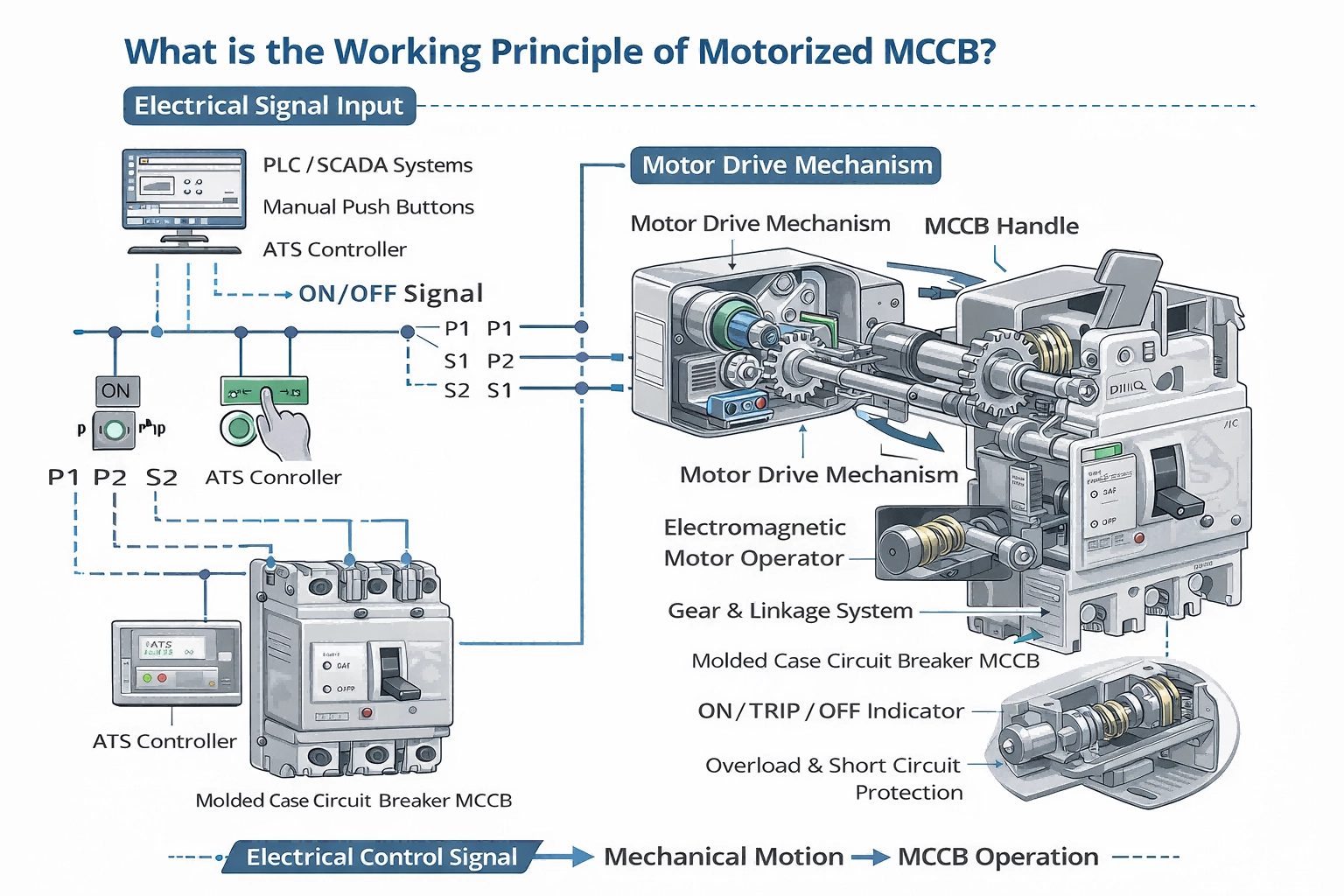
How to Use a Motorized MCCB Circuit Breaker for Remote Control and ATS Systems
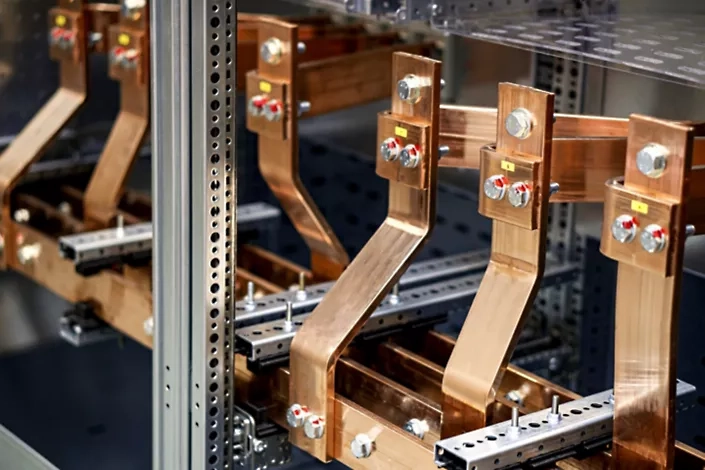
30-Day DIY Electrical Panel Cost-Saving Guide – Day 3
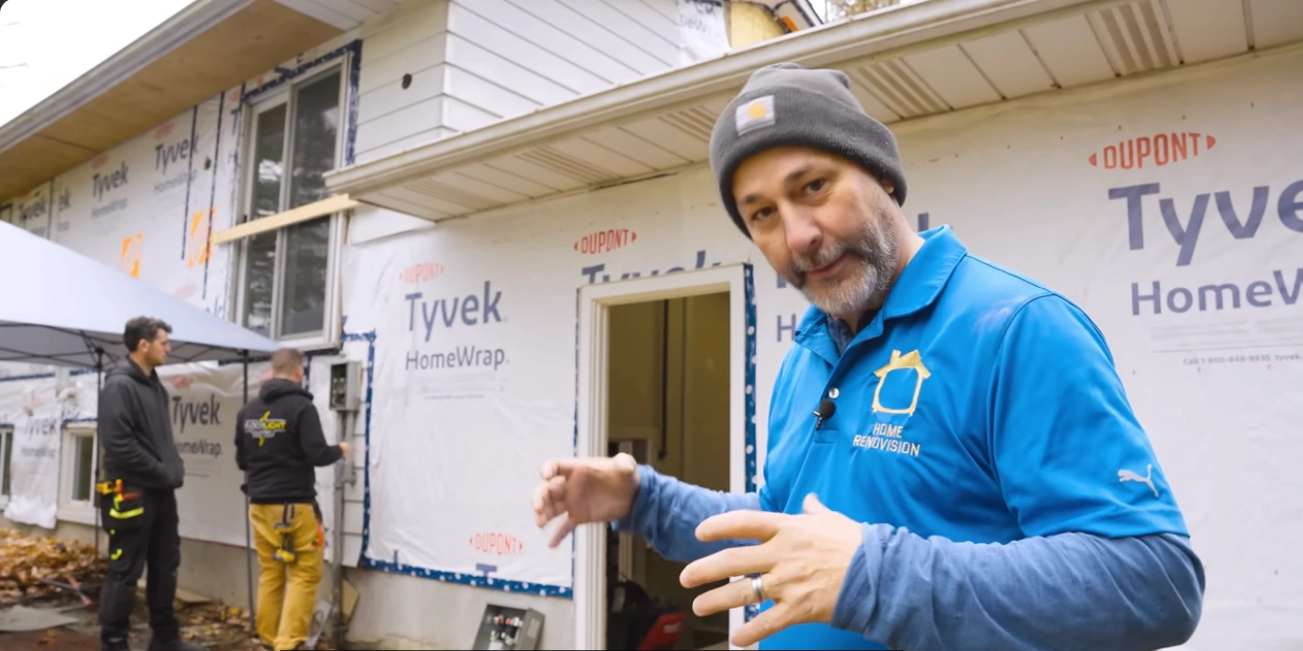
30-Day DIY Electrical Panel Cost-Saving Guide – Day 2

How to Build Your Own Electrical Panel and Save Up to 60% on Costs
Photovoltaic DC circuit breaker DC MCB
Is it suitable for solar PV protection?
Yes, it is designed for DC photovoltaic circuits.
Solar Controller with MPPT (Basic Model)
Can I monitor the system remotely?
Yes, the built in RS485 communication interface supports multi device networking and remote monitoring of operating parameters.
NH series fuses
What is the service life and warranty policy?
Manufactured with premium materials and strict quality control, the fuse ensures long service life. Warranty terms are available based on project and order agreements.
Three-phase multifunction guide rail meter
Can it be used in industrial environments?
Yes, it is designed for industrial and commercial applications.
Does the meter support remote meter reading?
Yes, it supports RS485 communication for remote data transmission.
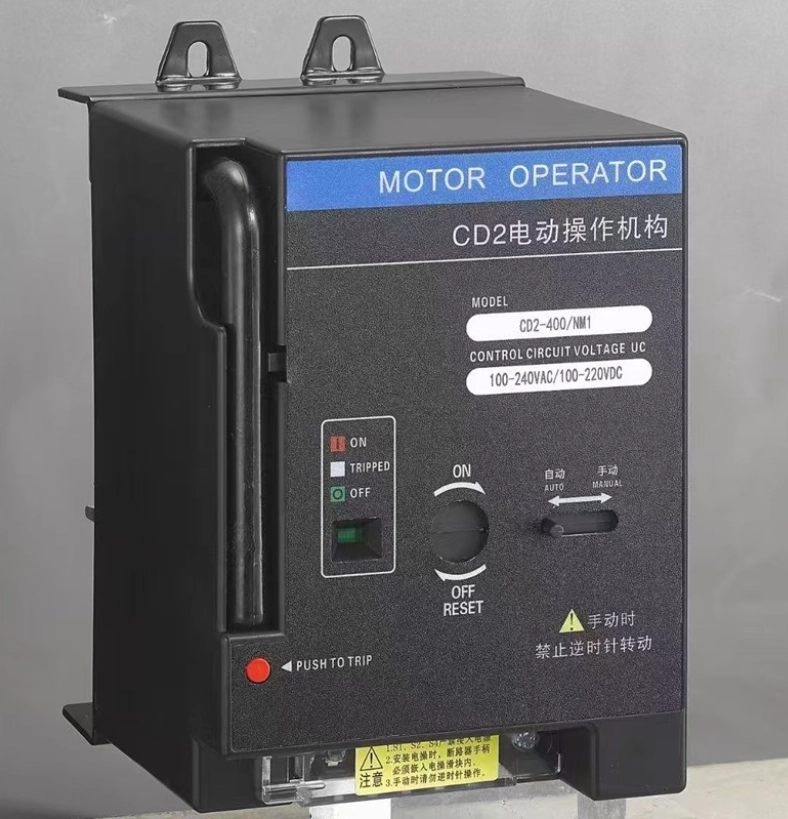
LCD2 Motorized MCCB Circuit Breaker with Remote Control | Molded Case Circuit Breaker for ATS Generator Power Distribution
NLCD2 motorized MCCB is designed for remote switching and automation control in low-voltage power systems. It supports AC/DC control voltage, fast operation, and reliable mechanical coupling, ideal for industrial panels, ATS systems, and smart energy applications.
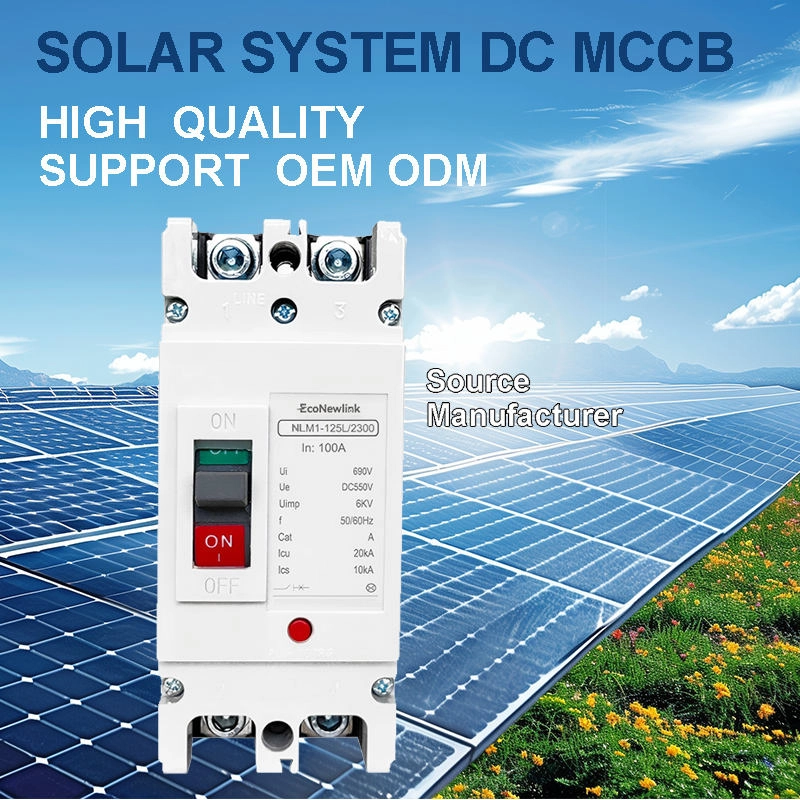
EcoNewlink DC MCCB NLM1Z 250 200A 48V Waterproof Electronic Trip 25kA Breaking Capacity
The EcoNewlink DC MCCB NLM1Z 250 200A 48V is a high-performance miniature circuit breaker designed for reliable low-voltage DC protection. Featuring a 25kA breaking capacity and waterproof design, it ensures safe and stable operation in harsh environments, including industrial systems, solar power installations, and energy storage solutions. With electronic trip technology, this MCCB delivers precise overload and short-circuit protection, combining durability, efficiency, and ease of integration for OEM and custom power distribution applications.
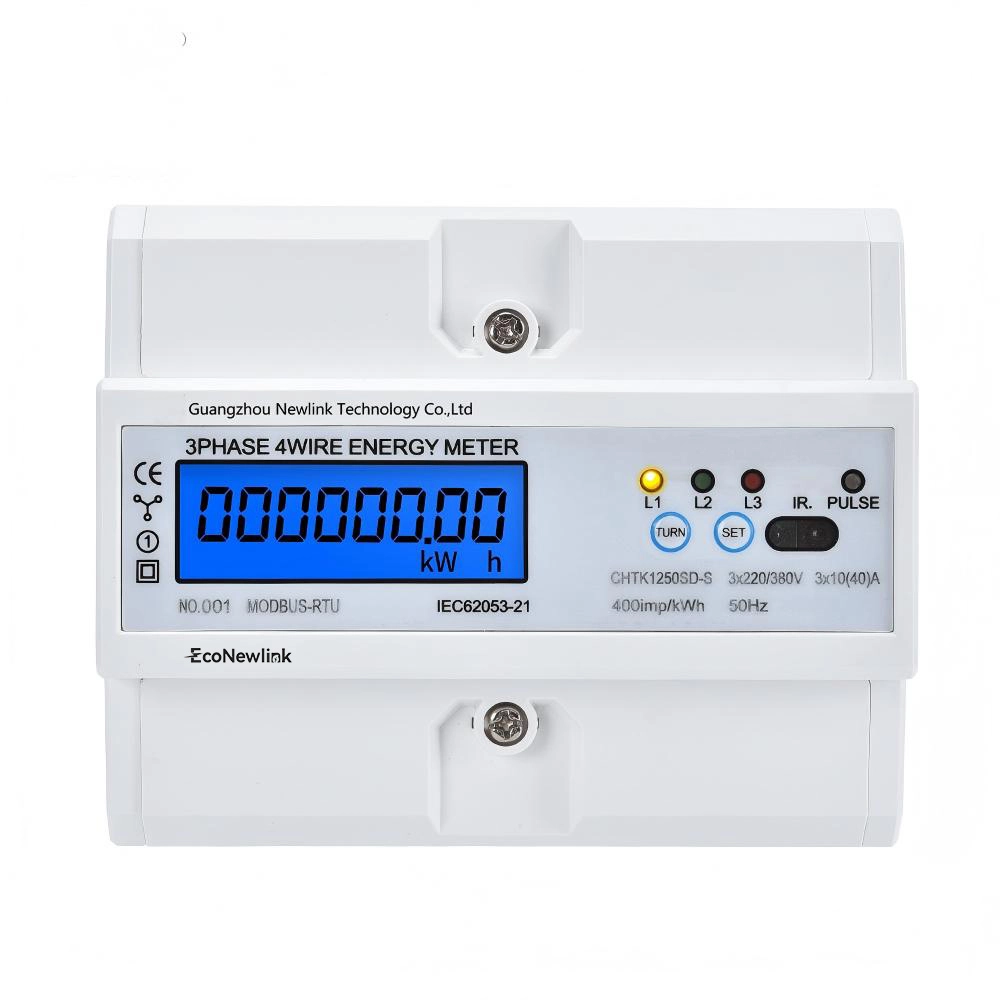
Three-Phase Four-Wire Multifunction Electronic DIN Rail Energy Meter Manufacturer with CE Certification
The Three-Phase Four-Wire Multifunction Electronic DIN Rail Energy Meter is a compact and high-accuracy smart meter designed for modern power monitoring systems. It features RS485 communication, pulse output, and a clear LCD display. With easy DIN rail installation and CE certification, it is ideal for industrial, commercial, and energy management applications.
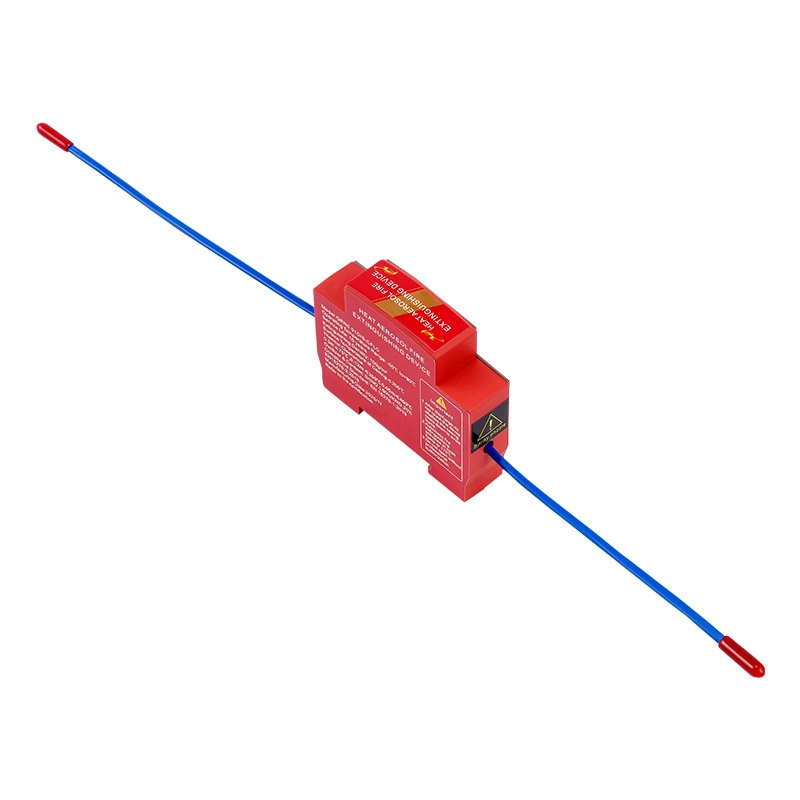
Distribution cabinet fire protection fire-fighting
Heat Aerosol FireExtinguishing Device
Request More Information or Subscribe for Updates
Thank you for reading our article!
If you would like more detailed information, have specific questions, or want to stay updated with the latest articles and guides, please fill out the form below.
Our team will get back to you with tailored information and resources.
Powering the Future with Smart, Safe Solutions
EcoNewlink delivers cutting-edge intelligent power products and solutions to ensure safety, efficiency, and reliability in your power distribution systems.
Contact
Email: nali@newlink.ltd
WhatsApp:
Address: No.76 Chuangyu road, Zengcheng District, Guangzhou, China

 WhatsApp
EcoNewlink
EcoNewlink